Discovering effective strategies to prevent hamster obesity is essential for maintaining your pet’s health and happiness. Understanding the causes and implementing proper management can make a significant difference in their well-being.
This guide offers valuable insights into balanced nutrition, enriching activities, optimal habitat setup, and routine monitoring to help your hamster stay active and healthy while avoiding unnecessary weight gain.
Understanding Hamster Obesity

Hamster obesity is a prevalent health concern among pet owners, often resulting from improper diet, lack of physical activity, or genetic predispositions. Recognizing the causes and potential health risks associated with excess weight in hamsters is essential for maintaining their well-being and ensuring a long, healthy life.
Managing weight effectively involves understanding how lifestyle choices directly impact a hamster’s health. An imbalance in diet and activity levels can quickly lead to obesity, which may compromise vital bodily functions and increase the likelihood of developing various health complications.
Causes and Risks of Hamster Obesity
Hamster obesity can arise from multiple factors that disrupt the delicate balance of calorie intake and expenditure. These causes include overfeeding, high-calorie treats, inadequate exercise opportunities, and genetic factors. Additionally, some breeds may be more predisposed to weight gain due to their metabolism or body structure.
Obesity in hamsters significantly elevates the risk of health issues such as diabetes, cardiovascular diseases, respiratory problems, and joint disorders. Excess weight strains internal organs and impairs mobility, leading to decreased activity levels and further weight gain, creating a harmful cycle.
Impact of Sedentary Lifestyle on Hamster Weight Gain
A sedentary lifestyle is a primary contributor to weight gain in hamsters. When hamsters lack sufficient space or opportunities to exercise, their physical activity diminishes, resulting in fewer calories burned daily. This inactivity, combined with calorie-rich diets, leads to rapid weight accumulation.
Hamsters naturally engage in burrowing, running, and exploring; restricting these behaviors through inadequate cage design or lack of enrichment can promote sedentary habits. Ensuring a stimulating environment encourages movement, which is vital in preventing weight gain.
Health Complications from Unmanaged Obesity
Uncontrolled obesity in hamsters can cause a range of serious health problems that diminish their quality of life and longevity. These include:
- Diabetes Mellitus: Excess weight affects insulin sensitivity, increasing the risk of diabetes, which requires long-term management and can lead to other complications.
- Cardiovascular Issues: Obesity strains the heart and blood vessels, potentially resulting in hypertension and other cardiovascular disorders.
- Respiratory Difficulties: Overweight hamsters may experience compromised respiratory function, making breathing labored during exertion or even at rest.
- Joint and Mobility Problems: Excess weight puts additional pressure on joints, leading to arthritis or mobility impairments that hinder activity and exacerbate weight gain.
- Reduced Lifespan: Overall, unmanaged obesity shortens a hamster’s life expectancy due to the increased likelihood of chronic illnesses and decreased mobility.
Proactively addressing these risks involves balanced nutrition, adequate exercise, and regular health monitoring to ensure that hamsters remain healthy and active throughout their lives.
Nutritional Management for Preventing Obesity
Proper nutritional management is a cornerstone of preventing obesity in hamsters. Ensuring that your pet receives a balanced diet with appropriate portion sizes helps maintain a healthy weight and supports overall well-being. Understanding how to organize their diet effectively can make a significant difference in avoiding excessive weight gain and related health issues.
By carefully selecting foods and monitoring intake, pet owners can promote a healthy metabolic rate and prevent the onset of obesity. This involves not only choosing suitable foods but also establishing routines for measuring and controlling daily food consumption, which is critical for long-term health management.
Balanced Hamster Diet and Portion Control
Providing a balanced diet tailored to a hamster’s nutritional needs involves offering a variety of foods in controlled portions. Overfeeding is a common contributor to obesity, so establishing consistent portion sizes based on the hamster’s age, activity level, and body condition is essential. Typically, adult hamsters require approximately 10-15 grams of food daily, divided into meals or offered as a consistent daily amount.
Fresh vegetables can complement their diet but should be given in moderation, avoiding high-calorie or sugary items that could promote weight gain.
Implementing portion control can be achieved through measuring tools such as small kitchen scales or measuring cups. Routine monitoring ensures the hamster maintains an appropriate weight and prevents overeating. Regularly assessing body condition by gently feeling the ribs and abdomen provides a practical method for gauging whether the diet needs adjustment. Establishing a feeding schedule also helps regulate intake and prevents the habit of free feeding, which often leads to overconsumption.
Foods Recommended Versus Foods to Avoid for Weight Management
To effectively manage a hamster’s weight, it is vital to distinguish between nutritious foods that support health and those that may contribute to obesity. The following table summarizes key points:
| Recommended Foods | Foods to Avoid |
|---|---|
|
|
Adhering to these guidelines helps ensure that hamsters receive essential nutrients without excessive calories. Limiting high-fat or sugary foods prevents unnecessary weight gain, while emphasizing a diet rich in fiber, vitamins, and minerals promotes overall health and longevity.
Measuring and Monitoring Daily Food Intake
Accurate measurement and consistent monitoring of a hamster’s daily food intake are fundamental practices in preventing obesity. Using precise tools such as a small digital scale or measuring spoons allows pet owners to quantify portions reliably. For example, weighing the daily food allocation ensures the hamster receives the appropriate amount each day, avoiding overfeeding.
Maintaining a feeding log can help track daily consumption and identify patterns or changes in appetite that might signal health issues or the need for diet adjustments. Regularly observing the hamster’s behavior, activity level, and physical condition also provides valuable feedback on whether the current feeding regimen is appropriate.
In addition, dividing daily food into multiple small meals rather than a single large portion mimics natural foraging behavior, promoting activity and preventing overeating. For hamsters prone to weight gain, establishing a routine of scheduled feedings and avoiding free feeding significantly reduces the risk of excess calorie intake and supports healthy weight maintenance.
Exercise and Enrichment Strategies

Implementing effective exercise and enrichment strategies is essential in maintaining a healthy weight and promoting overall well-being in hamsters. Regular physical activity prevents obesity and stimulates mental acuity, contributing to a more active and contented pet. Designing a daily routine that combines physical movement with mental engagement ensures hamsters lead healthy, stimulating lives inside their enclosures.
By integrating diverse tools and thoughtfully arranging their environment, owners can foster an environment that encourages movement, reduces boredom, and supports physical health. Properly structured enrichment not only helps manage weight but also enhances the quality of life for your hamster, ensuring they remain energetic and mentally alert throughout their lifespan.
Daily Exercise Plan for Hamsters
A consistent daily exercise routine tailored to hamsters’ natural behaviors is critical in preventing obesity. This plan should accommodate their nocturnal activity patterns, involving periods of vigorous activity during their active hours. A balanced exercise schedule includes a combination of free activity, cage time, and out-of-cage exploration within a safe environment.
For example, a typical daily exercise regimen might consist of:
- Morning Activity: Allow your hamster to explore outside the cage in a secure, supervised area for approximately 15-20 minutes. This can include a playpen or a designated room free of hazards.
- Evening Routine: Provide a wheel or running ball inside the cage to encourage continuous activity throughout the night. Ensure the wheel has a solid surface to prevent injury and is appropriately sized for your hamster’s body.
- Interactive Playtime: Incorporate gentle handling and interactive play sessions for about 10-15 minutes, stimulating mental and physical engagement.
Consistency is key, and adjusting the duration and intensity based on your hamster’s age and health status is vital. Regularly observing their behavior helps tailor the plan to their needs and ensures they remain active without overexertion.
Enrichment Tools and Toys to Encourage Movement and Mental Stimulation
Enrichment items are fundamental in motivating hamsters to move and engage their minds, preventing boredom and associated health issues. A variety of toys and tools can stimulate natural behaviors such as tunneling, gnawing, climbing, and exploring.
Popular and effective enrichment tools include:
| Enrichment Item | Purpose and Benefits |
|---|---|
| Tunnels and Hideouts | Provide space for exploration and burrowing, mimicking natural habitats and encouraging physical activity. |
| Climbing Structures | Inclined ramps, climbing ladders, or branches promote muscle development and coordination. |
| Chew Toys and Blocks | Assist in dental health and satisfy natural gnawing instincts, reducing destructive behaviors. |
| Foraging Toys | Encourage mental stimulation by hiding treats or food within puzzle toys, promoting problem-solving skills. |
| Exercise Wheels | Facilitate continuous running activity; ensure the wheel is smooth and large enough to prevent back injuries. |
Integrating a mixture of tactile, visual, and olfactory stimuli caters to hamsters’ natural curiosity and helps prevent boredom, which can lead to overeating or lethargy.
Creating an Engaging Environment for Physical and Mental Health
Designing a stimulating environment involves more than just adding toys; it requires a thoughtful arrangement of the enclosure to maximize activity and exploration. An engaging habitat should be spacious, varied, and enriched with different textures and structures to motivate movement and curiosity.
Some strategies include:
- Providing multiple levels or platforms connected by ramps or tunnels to encourage climbing and jumping.
- Rotating toys and enrichment items regularly to maintain novelty and interest.
- Using natural materials such as wood, paper, or hay to create diverse textures that encourage foraging and gnawing behaviors.
- Positioning food and toys in different areas of the cage to promote foraging and movement across the enclosure.
Ensuring the environment is safe, clean, and free of hazards is paramount. Regularly inspecting enrichment tools for damage and cleaning the cage to maintain hygiene also contribute significantly to your hamster’s physical health. A lively, engaging habitat not only prevents obesity but also fosters mental well-being, leading to a happier and healthier pet.
Environmental Factors Affecting Weight Control

Creating an environment that promotes healthy activity levels and proper nutrition is essential in preventing hamster obesity. The habitat setup, along with appropriate temperature, lighting, and bedding, plays a crucial role in encouraging natural movement and maintaining metabolic balance. A well-designed environment not only supports physical activity but also reduces stress, which can otherwise contribute to unwanted weight gain.
Understanding the influence of environmental factors allows pet owners to make informed decisions that foster a healthy lifestyle for their hamsters. Attention to habitat details ensures that hamsters are motivated to move, explore, and exercise, thereby helping to regulate their weight effectively over time.
Optimal Cage Sizes and Setup to Facilitate Movement
Providing an adequately spacious cage is fundamental to encouraging activity and preventing obesity in hamsters. The cage size should be tailored to the breed, with larger species like Syrian hamsters requiring a minimum of 450 square inches of floor space. Smaller dwarf hamsters, while adaptable to slightly smaller cages, still benefit from generous room to move freely.
In addition to size, the cage setup should include multiple levels, tunnels, wheels, and toys that stimulate movement and exploration. Ensuring that the habitat layout encourages natural behaviors such as running, burrowing, and climbing helps maintain a healthy activity level and prevents sedentary habits that lead to weight gain.
Importance of Proper Temperature, Lighting, and Bedding
Environmental conditions such as temperature, lighting, and bedding significantly influence a hamster’s activity levels and overall health. Maintaining an optimal temperature range of 65-75°F (18-24°C) prevents overheating or chilling, both of which can cause stress and reduce activity. Proper lighting, with a consistent light-dark cycle of approximately 12 hours each, supports circadian rhythms and promotes regular activity patterns.
The choice of bedding not only affects comfort but also impacts the hamster’s ability to engage in natural behaviors like burrowing. Bedding materials such as aspen shavings, paper-based substrates, or timothy hay provide a soft, comfortable base that encourages digging and nesting, contributing to physical activity and mental stimulation.
Checklist for Creating a Hamster-Friendly Habitat That Discourages Obesity
To optimize the environment for weight control, consider this comprehensive checklist that incorporates key habitat features:
- Ample Cage Space: Ensure the cage size meets or exceeds recommended standards for the hamster’s breed, with space for exercise equipment and enrichment items.
- Multiple Levels and Enrichment Items: Include platforms, tunnels, and climbing apparatus to promote movement and exploration.
- Exercise Wheel: Provide a solid-surface wheel that is appropriately sized to prevent back problems and encourage running.
- Temperature Control: Maintain a stable environment within 65-75°F, avoiding drafts and direct sunlight.
- Lighting Schedule: Use a consistent light-dark cycle to support natural activity rhythms.
- Comfortable Bedding: Use dust-free, absorbent bedding materials that facilitate burrowing and nesting behaviors.
- Accessible Food and Water: Ensure that food is spread out or placed in multiple stations to encourage movement, and provide fresh water at all times.
Creating a habitat that encourages physical activity, mental enrichment, and comfort reduces sedentary behavior and supports healthy weight management in hamsters.
Routine Monitoring and Adjustments
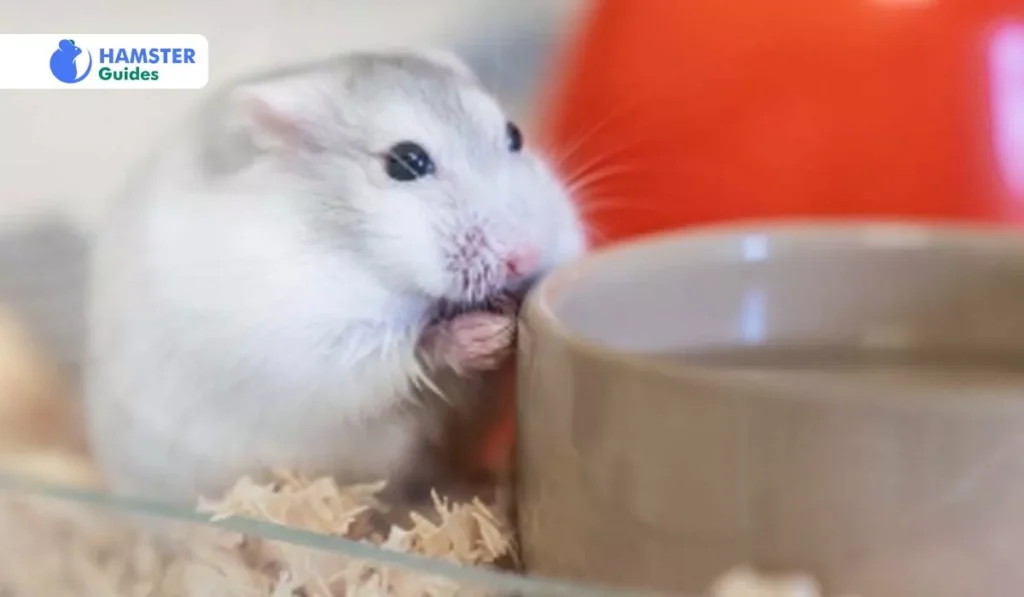
Consistent monitoring of your hamster’s weight and body condition is essential for maintaining optimal health and preventing obesity. Regular assessments allow for early detection of weight fluctuations, enabling timely interventions to adjust dietary and activity routines accordingly. This proactive approach contributes to a balanced weight, ensuring your hamster remains healthy and active throughout its life.
Implementing a structured routine for tracking your hamster’s body condition involves systematic weighing, visual assessments, and behavioral observations. By analyzing trends over time, caregivers can make informed decisions about dietary modifications and activity levels. Recognizing signs of over-exertion or undernourishment ensures that interventions are tailored to your hamster’s specific needs, fostering a safe and supportive environment for its wellbeing.
Tracking Hamster Weight and Body Condition
Establishing a regular schedule for monitoring your hamster’s weight and physical health is fundamental to effective weight management. The following step-by-step guide provides a clear framework for maintaining consistent oversight:
- Choose a reliable digital or mechanical scale suitable for small animals to ensure accuracy.
- Weigh your hamster at the same time of day, ideally in the morning before feeding, to obtain consistent measurements.
- Record each weight measurement alongside the date in a dedicated log or digital app for tracking trends over time.
- Perform visual body condition assessments by examining the hamster’s ribs, spine, and hips. A healthy hamster should have a slight tapering at the waist and a noticeable but not protruding ribcage.
- Assess activity levels and grooming habits during daily interactions, noting any changes that could indicate health issues.
Consistency in measurement timing and method enhances the reliability of data collected. Variations in weight should be interpreted in context, considering factors such as age, breed, and recent activity or feeding patterns. Maintaining detailed records allows for precise adjustments and early detection of potential health concerns.
Adjusting Diet or Activity Levels Based on Weight Trends
Monitoring trends in your hamster’s weight provides valuable insights into its nutritional and activity needs. When deviations from the ideal weight are observed, appropriate adjustments can be made to promote balanced health:
- Identify weight gain patterns—gradual increases over several weeks suggest the need for dietary review or increased activity.
- Gradually reduce caloric intake by adjusting portion sizes or limiting treats, ensuring the diet remains nutritionally complete.
- In cases of weight loss or stagnation, evaluate the diet for adequacy and consider increasing the caloric content with healthy options.
- Introduce or enhance exercise routines, such as providing a larger wheel or enrichment items, to boost physical activity levels.
- Consult a veterinarian if weight fluctuations are rapid, unexplained, or accompanied by other health symptoms to rule out underlying conditions.
Adjustments should be implemented gradually to prevent stress and allow your hamster to adapt smoothly. Regular re-evaluation after modifications ensures that interventions are effective and sustainable, promoting long-term health benefits.
Signs of Over-Exertion or Undernourishment and Responses
Recognizing signs that indicate your hamster may be over-exerting itself or not receiving adequate nutrition is vital for its safety and wellbeing. Early detection allows for prompt corrective measures:
- Signs of over-exertion include excessive fatigue, decreased activity, labored breathing, or reluctance to engage in usual behaviors. In such cases, reducing exercise intensity and providing ample rest is recommended.
- Indicators of undernourishment involve weight loss, dull coat, lethargy, or a hunched posture. Addressing these issues requires increasing food intake with nutrient-rich, balanced diets and assessing environmental factors that may hinder feeding or digestion.
If signs of over-exertion are observed, temporarily reduce activity levels and ensure your hamster has a calm, comfortable environment. Conversely, if undernourishment is suspected, increase caloric intake with wholesome foods while monitoring for improvements. Consulting a veterinarian can provide tailored guidance to resolve underlying health or environmental issues, ensuring your hamster maintains a healthy, balanced weight.
Closure

By applying these preventive measures and closely monitoring your hamster’s condition, you can ensure they enjoy a vibrant and healthy life. Consistency and attentiveness are key to maintaining their ideal weight and overall wellness.