Understanding how to prevent hamster escape is essential for maintaining a safe and secure environment for your pet. Proper cage setup, regular inspections, and thoughtful enrichment all play vital roles in minimizing escape risks. By addressing common vulnerabilities and employing effective security measures, pet owners can ensure their hamsters remain safe within their habitats.
This comprehensive guide explores identifying escape points, selecting durable materials, enhancing cage design, routine maintenance, enriching habitats, and implementing additional security measures. These strategies collectively contribute to a secure environment that discourages escape and promotes hamster well-being.
Identifying Common Escape Points in Hamster Cages
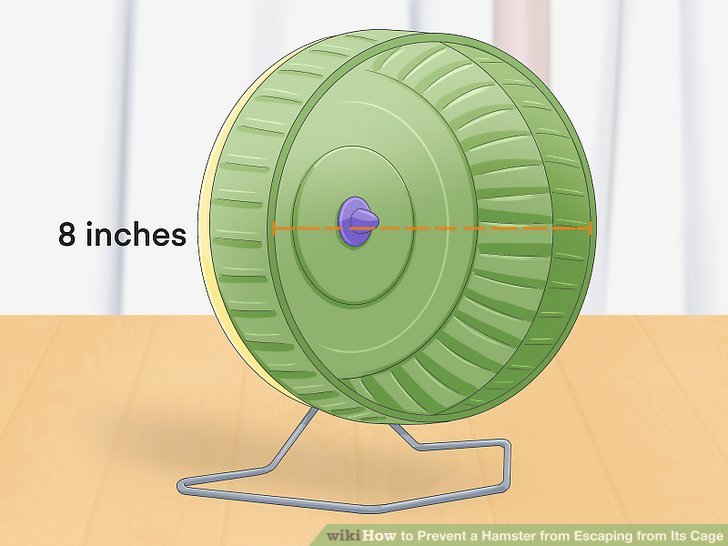
Hamsters are naturally curious creatures with a knack for finding weak spots in their enclosures. Recognizing the typical escape points in various cage designs is crucial for ensuring their safety and preventing accidental escapes. By understanding where vulnerabilities commonly occur, pet owners and enthusiasts can implement targeted measures to secure their hamsters effectively.
Escape points can vary depending on the type of cage and its construction. Common vulnerabilities are often related to the design features, material integrity, and accessories attached to the cage. Paying close attention to these areas during regular inspections helps in identifying potential escape routes before an escape attempt occurs.
Common Escape Points in Different Cage Designs
Hamsters tend to exploit weak spots around entry points, lids, and connectors. Here is a detailed overview of typical vulnerabilities based on cage types and their specific risks:
| Cage Type | Potential Escape Risks |
|---|---|
| Wire Cages with Bar Openings |
|
| Plastic Modular Cages |
|
| Glass Aquariums or Terrariums |
|
| Multi-Level Cages with Connectors |
|
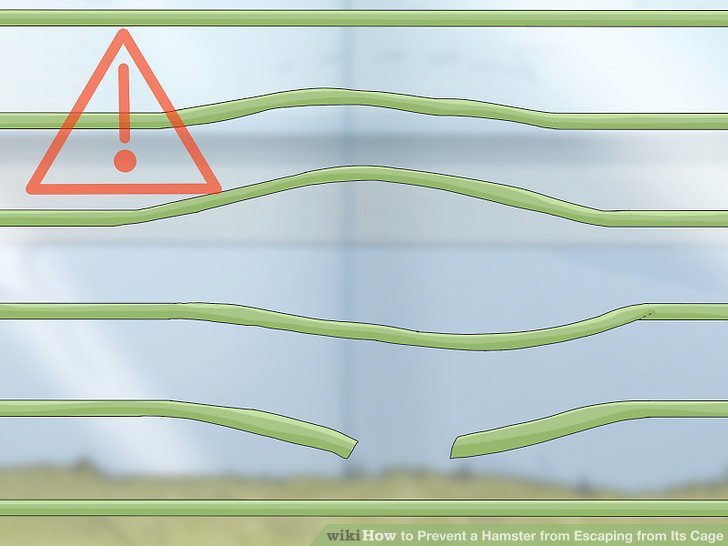
Identifying these common escape points involves regular inspection of the cage structure. Look for signs of wear, such as bent bars, chewed edges, or loose fittings. Ensuring that all components are secure and fit snugly will significantly reduce the risk of hamsters escaping from their enclosures.
Cage Design Improvements to Prevent Escape
Ensuring that a hamster cage is secure and escape-proof is vital for the safety and well-being of your pet. Thoughtful modifications to the cage design can significantly reduce the likelihood of escape attempts. By implementing effective reinforcement strategies, pet owners can create a safe environment that discourages hamsters from attempting to break free, thereby reducing stress and potential dangers associated with escapes.A well-designed cage incorporates both sturdy materials and thoughtful hardware placements to prevent escape routes.
Reinforcing existing features such as lids, barriers, and entry points can make a substantial difference. These modifications should focus on eliminating weak spots and adding additional security measures, ensuring the cage remains intact even when the hamster is particularly determined or curious. Proper cage design not only enhances security but also promotes a more enriching habitat for your hamster.
Effective Modifications in Cage Design
Developing a secure cage involves several key modifications that address common escape points. The following procedures Artikel practical steps for reinforcing a hamster cage, including securing lids, adding barriers, and improving overall structural integrity.
- Secure the Cage Lid: Use locking mechanisms such as clips, latches, or carabiners to firmly attach the lid to the cage frame. For cages with wire lids, consider adding a secondary layer of mesh or a solid panel to prevent hamsters from pushing through gaps.
- Add Barriers at Entry Points: Install additional barriers, such as acrylic panels or fine mesh, at any openings or ventilation slots. These barriers should be securely fastened without gaps that a hamster could exploit.
- Reinforce Cage Corners and Joints: Use strong adhesive, metal brackets, or corner clips to strengthen weak points where panels meet. This helps prevent the cage from being pried apart or collapsing under pressure.
- Upgrade Cage Materials: Opt for durable materials such as metal or high-quality hard plastic that resist gnawing and breakage. Avoid flimsy or easily chewable materials that can be compromised over time.
- Implement Additional Barriers or Ledges: Create internal barriers or platforms that limit the hamster’s ability to reach the cage’s edges or escape routes. These should be securely anchored and not obstruct the hamster’s movement or comfort.
Recommended Cage Features and Enhancements
The following table summarizes common cage features alongside recommended modifications to enhance security and prevent escapes:
| Cage Feature | Potential Escape Point | Recommended Enhancement |
|---|---|---|
| Lid | Gaps or loose fittings allowing hamster to push through | Secure locking mechanism, secondary mesh layer, or latch system |
| Ventilation Slots | Small openings that a hamster could squeeze through | Install fine mesh covers or expand existing barriers with additional panels |
| Corner Joints | Weak points where panels meet | Metal brackets, strong adhesive, and reinforced corner clips |
| Base and Sides | Chewing through plastic or wire | Use durable, chew-resistant materials and add protective barriers at vulnerable spots |
| Internal Barriers | Open spaces or platforms allowing access to escape routes | Secure internal partitions or ledges to limit reachability of cage edges |
Effective cage design combines robust hardware and thoughtful structural modifications, significantly reducing escape risks and creating a safe environment for your hamster.
Proper Cage Maintenance and Inspection Routines
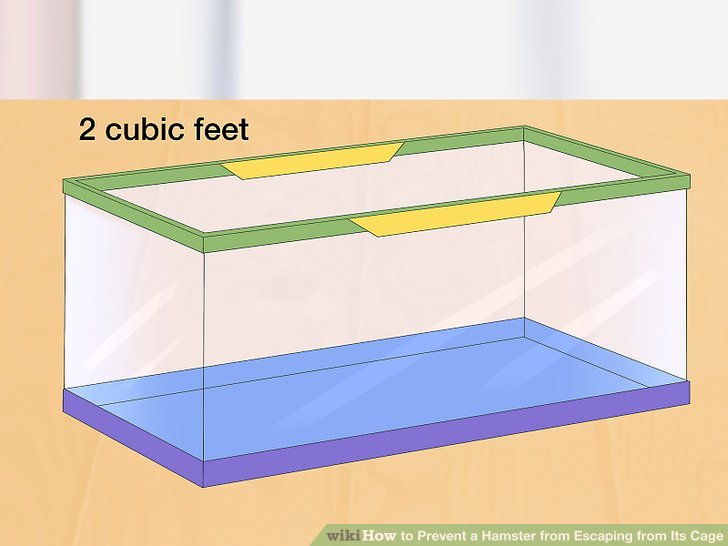
Ensuring the ongoing security of your hamster’s habitat requires consistent maintenance and thorough inspections. Regularly scheduled routines help identify potential escape routes that may develop over time due to wear, damage, or natural cage movement. Implementing a disciplined approach to cage care not only prevents escapes but also maintains a healthy environment for your pet.In addition to routine cleaning, systematic inspections of cage components—such as hinges, locks, and barriers—are essential.
These checks can reveal weaknesses or malfunctions before they become escape points. A proactive maintenance schedule reduces the risk of accidental escapes and prolongs the lifespan of the cage equipment.
Routine Inspection of the Cage for Escape Routes
Regular inspections are vital for detecting minor damages or weaknesses that could evolve into escape routes. Developing a checklist ensures no detail is overlooked during each inspection session. Focus on areas that are typically vulnerable to wear, damage, or tampering.Recommended inspection frequency should be at least weekly, with more frequent checks if the cage undergoes frequent cleaning or if your hamster is particularly active or curious.
It’s also prudent to conduct inspections after any incident such as a cage bump, cleaning, or rearrangement.The inspection checklist includes:
- Examine all doors, latches, and locks for proper function and secure fit; test whether they securely hold and cannot be easily opened by your hamster or an external force.
- Inspect cage barriers, including mesh panels, bars, or plastic walls, for cracks, looseness, or signs of chew marks that could enlarge over time.
- Check hinges on doors and access panels for rust, looseness, or misalignment that could permit escape.
- Assess the integrity of any sealing strips or gaskets that prevent gaps; replace if they show signs of deterioration.
- Look for and remove any accumulated debris, bedding, or objects that could be used to climb or create leverage for escape attempts.
- Verify that any additional barriers, such as barriers around ventilation or feeding areas, are securely attached and free from damage.
Methods for Cleaning and Checking Hinges, Locks, and Barriers
Maintaining the mechanical parts of your hamster cage is integral to preventing escapes. Regular cleaning prevents buildup of dirt, debris, or residues that can cause hinges or locks to malfunction. It also provides an opportunity for a detailed visual check for signs of wear or damage.When cleaning hinges and locks, use a soft brush or cloth and avoid harsh chemicals that could harm your hamster or degrade the materials.
For metal parts, checking for rust or corrosion is essential, as these can weaken the structural integrity of the locking mechanisms.To check for proper operation:
- Manually operate hinges and locks to ensure they open and close smoothly without sticking or excessive resistance.
- Test locks by attempting to open them in a manner consistent with a hamster’s escape behavior; ensure they cannot be easily forced open.
- Inspect barrier surfaces for signs of chewing, cracks, or warping that could compromise their barrier function.
- Lubricate hinges with pet-safe lubricants if they squeak or feel stiff, but avoid lubricants that could be harmful if ingested by your hamster.
- Replace damaged or corroded parts immediately to restore full cage security.
Recommended Inspection Frequency and Checklist
Adopting a structured routine with specific intervals and detailed checklists ensures consistent cage maintenance. This prevents deterioration of cage components and minimizes the risk of escape.The recommended inspection schedule is:
- Weekly: Comprehensive inspection of all cage components, including locks, hinges, barriers, and seals. Conduct thorough cleaning and maintenance during this time.
- Monthly: Deep cleaning of the entire cage, including disassembly of removable parts for detailed inspection. Replace worn or damaged components as needed.
- Post-incident checks: Immediately inspect the cage after any event that could compromise its integrity, such as a fall, rough cleaning, or suspicious behavior from your hamster.
The inspection checklist should encompass:
- Confirm all latches and locks function securely and cannot be tampered with.
- Verify the structural integrity of all barriers and panels.
- Ensure hinges operate smoothly and are free of rust or debris.
- Check for new chew marks or damage indicating potential escape routes.
- Assess the overall cleanliness and stability of the cage’s foundation and supports.
Maintaining diligent inspection routines will significantly reduce the likelihood of escape and contribute to a safe, secure environment for your hamster.
Safe and Effective Enrichment to Reduce Escape Motivation
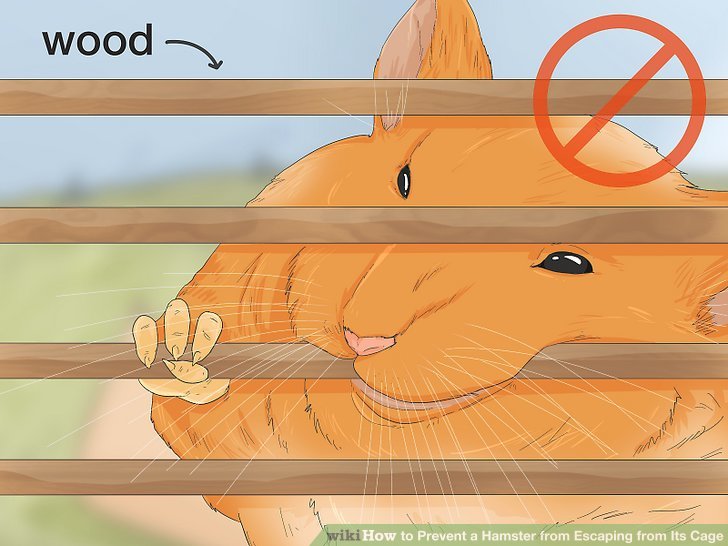
Providing stimulating and engaging enrichment activities is essential for maintaining a hamster’s mental and physical well-being. When hamsters are sufficiently occupied and content, their natural curiosity and desire for exploration are satisfied within the confines of their enclosure, significantly reducing the urge to escape. Proper enrichment not only enhances their quality of life but also acts as a practical strategy for cage security.
By incorporating diverse and thoughtfully designed enrichment elements, owners can create a dynamic environment that keeps hamsters both entertained and secure. These activities should mimic natural behaviors such as foraging, digging, and exploring, which can channel their instincts away from attempting escape. Ensuring that enrichment items are safe, durable, and appropriately sized is key to fostering a stimulating environment that minimizes escape risks.
Enrichment Activities and Items to Prevent Escape
Effective enrichment involves a variety of toys, tunnels, and hideouts that encourage natural hamster behaviors while enhancing cage security. When used strategically, these elements can occupy a hamster’s interest and reduce boredom, a common motivator for escape attempts. Below are some recommended options:
- Foraging Toys: These include treat-dispensing balls or puzzle feeders that require the hamster to work to obtain food or treats. They stimulate mental activity and mimic natural foraging behaviors, decreasing the likelihood of escape driven by curiosity or hunger.
- Safe Tunnels and Tubes: Rigid or flexible tunnels made from chew-proof materials allow hamsters to explore and navigate within their enclosure. Connecting multiple tunnels creates a complex network that satisfies their exploratory instincts and discourages escape attempts through boredom or curiosity.
- Hideouts and Nests: Providing secure hideouts made from odorless, non-toxic materials, such as wooden or plastic houses, offers a safe retreat where hamsters can relax. Multiple hideouts placed at different locations promote a sense of security and reduce stress-related escape behaviors.
- Climbing Structures: Small, sturdy ramps and platforms made from natural woods or safe plastics enable climbing and exercise, which are vital for physical health and mental engagement. Ensuring these structures are well-secured minimizes the risk of them becoming new escape routes.
- Chew Toys: Natural wood or mineral-based chew toys satisfy a hamster’s need to gnaw and prevent destructive biting of cage bars or accessories, thereby reducing the motivation to escape due to discomfort or boredom.
Incorporating these enrichment options thoughtfully and regularly ensures a stimulating environment that meets a hamster’s intrinsic needs. Not only does this approach promote overall well-being, but it also strategically reduces the likelihood of escape by engaging their natural instincts in positive ways.
Using Additional Security Measures
Implementing supplementary security devices enhances the overall safety of hamster cages by providing multiple layers of protection against escape. These measures are especially valuable in environments where standard cage locks may be insufficient or where hamsters display persistent escape behaviors. By integrating various security tools, pet owners can significantly reduce the likelihood of accidental escapes and ensure a secure habitat for their small pets.
Among the most effective supplementary security methods are cage clips, locking mechanisms, and physical barriers. Each device offers distinct advantages and can be tailored to the specific cage design and hamster activity level. Properly installing and regularly inspecting these security measures help maintain their effectiveness over time, safeguarding the hamster while allowing for safe and stress-free cage maintenance.
Cage Clips, Locks, and Barriers
Using additional security devices involves selecting the appropriate tools based on cage type, size, and the hamster’s tendencies. These measures serve as an extra safeguard against accidental opening or intentional escape attempts. Proper installation and consistent maintenance are crucial to ensure these security devices function correctly and provide the intended level of protection.
While some security measures are simple to implement, others may require more careful installation. For example, cage clips are quick to attach and detach but should be checked regularly for signs of wear. Locks, such as slide latches or combination locks, provide a higher level of security and are suitable for cages with larger or more accessible openings. Barriers, including mesh panels or additional partitioning, can be used to reinforce weak points or create secure zones within the cage.
Below is a comparative table outlining various security devices, their features, and installation considerations:
| Security Measure | Features | Installation Procedure | Pros | Cons |
|---|---|---|---|---|
| Cage Clips | Reusable, lightweight, easy to attach and detach | Latch onto cage lid or panels, ensuring a snug fit | Quick installation, cost-effective, suitable for frequent cage access | May loosen over time, less secure for active or determined hamsters |
| Slide Latch Locks | Mechanical, requires manual sliding to lock/unlock | Attach to cage door, slide into locked position | Simple to operate, provides a secure barrier | Can be accidentally unlocked, may require adjustment for smooth operation |
| Combination Locks | Keyless, combination-based security | Secure the cage door using a numerical code or pattern | High security, tamper-proof, no keys needed | Requires remembering or recording the code, may be more costly |
| Physical Barriers (e.g., Mesh Panels) | Reinforces cage openings, prevents climbing or squeezing out | Attach to existing cage structure with clips or fasteners | Effective for preventing escapes through weak points | May reduce ventilation if not properly designed, installation can be complex |
| Additional Partitioning | Creates secure zones within the cage | Install within cage to segment accessible areas | Controls hamster movement, reduces stress and escape points | Requires careful planning to avoid restricting access for cleaning and maintenance |
Choosing the appropriate security measures depends on the specific cage design, hamster behavior, and the owner’s ability to monitor and maintain these devices. Regular inspection and timely replacement of worn or damaged components are essential to ensure continuous cage security and prevent escape incidents.
Handling and Introducing Hamsters Safely
Proper handling and gentle introduction are critical components in preventing hamster escapes. When hamsters are approached with care and patience, they are more likely to trust their caregivers and remain within their designated enclosures. Proper techniques not only reduce stress for the hamster but also minimize their motivation to escape, especially during handling or new environment introductions. Ensuring a safe and secure handling routine fosters a positive relationship between the pet and owner, reducing behavior that might lead to escape attempts.Effective handling involves understanding the hamster’s comfort zones and respecting their cues.
Introducing hamsters to new environments or handling sessions gradually can decrease their anxiety levels, thereby reducing the likelihood of escape-driven behaviors. Taming and training are essential tools in creating a controlled and safe environment where the hamster recognizes boundaries and feels secure.
Proper Handling and Introduction Techniques
Handling hamsters safely requires a gentle approach that respects their delicate nature. It is essential to use calm movements and avoid sudden gestures that could startle the animal. Support the hamster’s body securely with both hands, ensuring they feel stable and safe during transport or handling. Always approach from the front rather than from above or behind, which can be perceived as threatening.When introducing a new environment or cage, allow the hamster to explore gradually.
Place the hamster in a familiar, quiet space and let them sniff and observe their surroundings at their own pace. Supervise their initial explorations closely to prevent accidental escapes.
Best Practices for Taming and Training
Taming hamsters is a crucial step in fostering trust and reducing escape motives. Consistency and patience are vital. Establish a daily routine that includes gentle handling, creating a predictable environment that helps the hamster feel secure. Use positive reinforcement techniques, such as offering treats when the hamster remains calm or follows commands like staying in place.Begin with short handling sessions, gradually increasing their duration as the hamster becomes more comfortable.
Avoid forcing interactions that cause stress, as this can lead to fear and escape attempts. Providing a safe, quiet space for training sessions helps foster a sense of security.
Safety and Security Tips for Handling Hamsters
To ensure safe handling and introduction practices, consider these tips:
- Always wash your hands before and after handling to prevent the transfer of scents or substances that might frighten or harm the hamster.
- Handle your hamster gently, supporting both the body and the head, especially with smaller or more nervous animals.
- Use a calm voice and slow movements to reassure the hamster during handling or introduction.
- Introduce new environments gradually, allowing the hamster to explore at their own pace without coercion.
- Stay attentive to signs of stress, such as scratching, biting, or trying to escape, and adjust handling accordingly.
- Train your hamster consistently using positive reinforcement, such as treats or gentle praise, to build trust and cooperation.
- Never force a hamster into handling if it shows signs of fear; instead, give it time to acclimate naturally.
- Ensure your hands are free from any substances like perfumes or lotions that could cause discomfort or aversion.
- Maintain a calm, quiet environment during handling sessions to prevent startling the hamster.
Wrap-Up
In conclusion, preventing hamster escape involves a combination of careful cage design, regular inspections, engaging enrichment, and supplementary security measures. By applying these practices, pet owners can create a safe and comfortable space that keeps their hamsters secure and happy. Vigilance and proactive care are key to ensuring your pet’s safety at all times.