Understanding how to feed seeds to a hamster is essential for ensuring their health and well-being. Proper seed feeding involves knowing the right types, quantities, and methods to provide a balanced diet that meets their nutritional needs. With careful selection and appropriate feeding practices, you can contribute significantly to your hamster’s vitality and happiness.
This guide covers the key aspects of feeding seeds to hamsters, including choosing quality seeds, proper feeding techniques, portion control, and common mistakes to avoid. By following these recommendations, you will be able to create a safe and nutritious diet that supports your pet’s overall health.
Understanding Hamster Dietary Needs
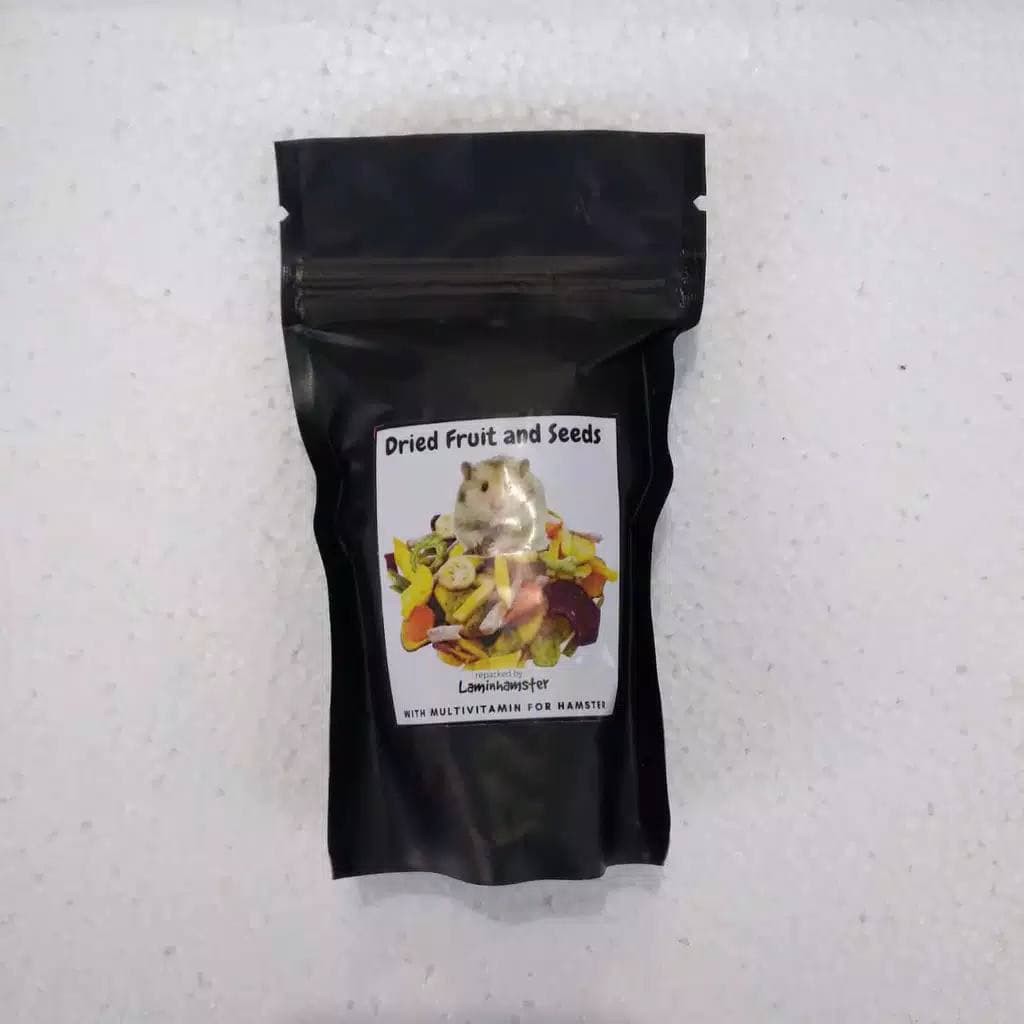
Providing a balanced diet is essential for maintaining the health and vitality of hamsters. Their dietary requirements are specific, primarily focusing on a mix of grains, seeds, vegetables, and occasional proteins. Proper seed intake plays a significant role in fulfilling their nutritional needs, offering energy, essential fatty acids, and vitamins necessary for growth and overall well-being.
Hamsters are omnivorous creatures, but their diet should primarily be seed-based, complemented with fresh produce and occasional treats. Ensuring they receive the right types of seeds in appropriate quantities helps prevent deficiencies and health issues such as obesity, dental problems, or nutrient deficiencies. Understanding which seeds are suitable, their benefits, and potential risks is crucial for responsible pet ownership.
Types of Seeds Suitable for Hamsters
Seeds serve as a vital component of a hamster’s diet, offering concentrated sources of nutrients. However, not all seeds are equally beneficial, and some can pose health risks if fed excessively. The key is to identify suitable seed types that provide nutritional value without adverse effects.
- Sunflower Seeds: Rich in healthy fats and vitamin E, sunflower seeds are a favorite among hamsters. They provide energy and support coat health but should be given in moderation due to high-fat content, which can lead to obesity if overfed.
- Millet Seeds: A good source of carbohydrates and vitamins, millet seeds are easily digestible and safe for hamsters. They can be used as training treats or occasional supplements.
- Pumpkin Seeds: Packed with magnesium, zinc, and healthy fats, pumpkin seeds promote immune health and coat quality. Raw, unsalted pumpkin seeds are preferable for feeding.
- Sesame Seeds: Containing calcium and iron, sesame seeds support bone and blood health. Due to their strong flavor, they should be offered sparingly.
Despite their benefits, some seeds carry risks if overfed or used improperly. For instance, sunflower seeds contain high fat and salt levels that can contribute to obesity and cardiovascular issues. Seeds like flaxseed or chia, while nutritious, should be given sparingly due to their potent oil content. A balanced seed intake, combined with fresh vegetables and formulated hamster feeds, is ideal for maintaining health.
Comparison Table of Seed Types and Their Suitability for Hamsters
| Seed Type | Nutritional Value | Suitability for Hamsters | Potential Risks |
|---|---|---|---|
| Sunflower Seeds | High in fats, vitamin E, protein | Good as an occasional treat or part of a seed mix | High fat content can cause obesity; salt levels may be high |
| Millet Seeds | Carbohydrates, B vitamins, minerals | Suitable as a primary seed component, especially for young hamsters | Overfeeding may lead to weight gain |
| Pumpkin Seeds | Magnesium, zinc, healthy fats | Excellent supplement for coat and immune health when offered raw and unsalted | Excess can cause digestive issues |
| Sesame Seeds | Calcium, iron, healthy fats | Suitable in moderation as a flavor enhancer or treat | Overfeeding may lead to nutrient imbalance |
Selecting Quality Seeds for Feeding
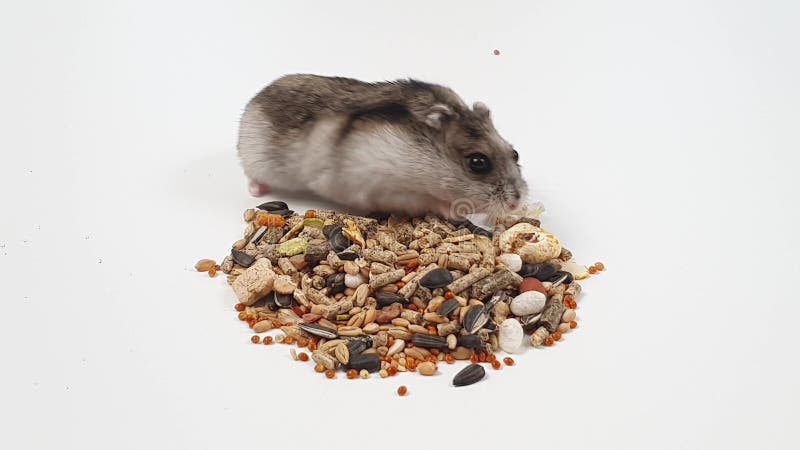
Providing hamsters with nutritious and safe seeds is essential for their overall health and well-being. Selecting high-quality seeds ensures that hamsters receive essential nutrients while avoiding potential toxins or low-value food sources. Proper seed selection not only supports their energy needs but also contributes to their dental health and behavioral enrichment.
Understanding the criteria for choosing healthy seeds helps hamster owners make informed decisions, fostering a balanced diet that complements other dietary components. This careful selection process can prevent health issues related to poor-quality or contaminated seeds, ensuring your furry friend stays vibrant and active.
Guidelines for Choosing High-Quality, Fresh Seeds
When selecting seeds for hamsters, attention to freshness, appearance, and origin plays a crucial role in ensuring safety and nutritional value. Fresh seeds retain their flavor, aroma, and nutritional content, making them more appealing and beneficial for your pet. It is advisable to purchase seeds from reputable sources that specialize in pet supplies or organic producers, minimizing the risk of contamination or spoilage.
Storing seeds in a cool, dry place away from sunlight further preserves their quality. Regularly inspecting seeds for signs of mold, insect presence, or unusual odors helps maintain their freshness and safety for your hamster.
Common Seed Varieties to Avoid
While seeds are a nutritious component of a hamster’s diet, some varieties pose health risks or offer little nutritional benefit. Certain seeds contain toxins, are hard to digest, or may cause allergic reactions. It is important to identify and exclude these from your hamster’s diet to prevent health complications. The following list highlights common seed varieties that should be avoided:
| Seed Variety | Reason for Avoidance |
|---|---|
| Apple seeds | Contain amygdalin, which can release cyanide when ingested in significant quantities |
| Cherry pits | Similar to apple seeds, they contain cyanogenic compounds and pose a choking hazard |
| Peanuts (unsalted, raw) | Potential for mold and aflatoxin contamination; high fat content may lead to obesity |
| Sunflower seeds (excessive quantities) | High fat content can cause obesity and lead to nutritional imbalances if overfed |
| Pink and red seeds with bright coloring | May contain artificial dyes or preservatives harmful to hamsters |
In addition to specific seeds, be cautious with processed or flavored seed mixes that contain excessive additives, sugars, or salts, as these are unsuitable for hamsters and can lead to health issues.
Criteria for Selecting Healthy Hamster Seeds
Choosing healthy seeds involves assessing several visual, olfactory, and sourcing factors to ensure safety and nutritional integrity. The following criteria serve as a practical guide for selecting the best seeds for your hamster:
- Appearance: Seeds should be plump, firm, and free from cracks, molds, or discoloration. Avoid seeds with shriveled, broken, or sunken parts, as these indicate age or spoilage.
- Smell: Fresh seeds emit a mild, nutty aroma. A sour or musty smell indicates mold or fermentation, which should lead to discarding the batch.
- Source: Purchase from reputable suppliers, preferably those specializing in organic or pet-safe products. Check for clear labeling, expiry dates, and certifications that guarantee quality.
- Packaging: Opt for sealed, airtight packaging to prevent contamination. Properly stored seeds maintain their freshness longer and reduce the risk of pest infestation.
- Quantity and Packaging Integrity: Ensure the packaging is intact without tears or holes, and buy in quantities suitable for your hamster’s consumption to avoid prolonged storage that could compromise seed freshness.
Good seed selection is a key factor in maintaining your hamster’s health, ensuring they enjoy a nutritious, safe, and enriching diet.
Proper Methods to Feed Seeds to Hamsters
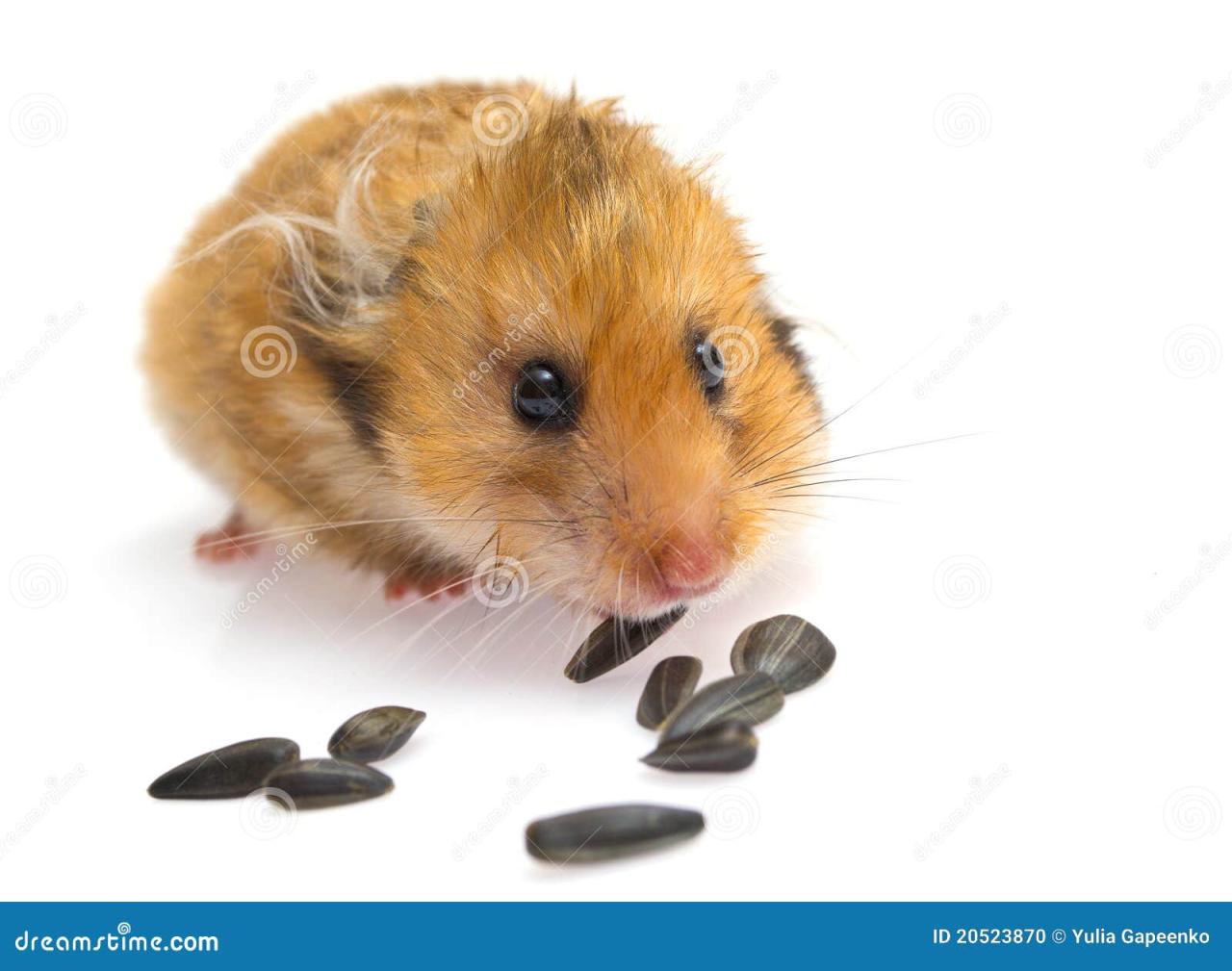
Feeding seeds to hamsters requires a careful approach to ensure safety, promote healthy eating habits, and prevent overfeeding. Implementing the correct methods can help maintain a balanced diet while encouraging natural foraging behaviors, which are vital for a hamster’s mental and physical well-being.
Effective seed feeding involves understanding the best practices for offering seeds, establishing an appropriate feeding schedule, and utilizing various methods that suit both the hamster’s preferences and nutritional needs. Proper techniques help avoid issues such as choking, selective feeding, or dietary imbalance.
Step-by-step Procedures for Offering Seeds Safely
Ensuring that seeds are offered in a safe and hygienic manner is essential for maintaining your hamster’s health. Follow these detailed steps to introduce seeds into your hamster’s diet effectively:
- Wash your hands thoroughly before handling seeds or interacting with your hamster to prevent the transfer of contaminants.
- Choose high-quality, fresh seeds free from mold, dust, or pests, and avoid seeds that are overly oily or stale.
- Introduce seeds gradually into your hamster’s diet to monitor their acceptance and digestive response.
- Offer seeds using a clean bowl or container to avoid contamination. Place the bowl in a consistent location to establish a routine.
- Initially, sprinkle a small portion of seeds on the bedding or place a handful directly into the bowl, ensuring the portion size aligns with your hamster’s age and size.
- Observe your hamster’s eating behavior, ensuring they pick up the seeds safely and do not choke or exhibit signs of refusal or distress.
- Remove any uneaten seeds after a few hours to prevent spoilage, mold growth, or attracting pests.
- Maintain a clean feeding area by regularly washing bowls and replacing bedding as necessary.
Designing a Balanced Seed Feeding Schedule
Creating a well-structured feeding schedule is crucial to manage seed intake while ensuring your hamster receives a balanced diet. A consistent routine helps promote healthy digestion and prevents overfeeding, which can lead to obesity or nutritional deficiencies.
Recommend: Offer seeds once or twice daily, with portion sizes tailored to your hamster’s size and activity level.
Typical seed portions should be approximately 1-2 teaspoons per day for most dwarf hamsters or Syrian hamsters, divided into two feedings if necessary. Timing should be consistent, with feeding sessions scheduled in the morning and late afternoon or early evening to mimic natural foraging patterns.
In addition to seeds, provide a variety of fresh vegetables, fruits, and protein sources to balance nutrient intake. Limit seed portions if your hamster is less active or prone to weight gain. Monitor your hamster’s weight and health regularly to adjust portions accordingly.
Visual Guide to Different Feeding Methods for Seeds
Using various techniques to offer seeds can cater to your hamster’s preferences and encourage natural foraging, which is beneficial for mental stimulation and physical activity. Below is a table illustrating common feeding methods, their advantages, and considerations:
| Feeding Method | Description | Advantages | Considerations |
|---|---|---|---|
| Scatter Feeding | Sprinkling seeds across the bedding or a designated area in the cage. | Encourages foraging behavior, stimulates activity, provides mental enrichment. | Requires regular cleaning to prevent mess and mold; some seeds may be hidden from the hamster. |
| Using a Bowl | Placing seeds in a small, shallow dish or ceramic bowl. | Easy to monitor seed quantities, minimizes mess, simple to refill and clean. | Less natural foraging, may lead to faster seed consumption. |
| Mixed with Other Foods | Incorporating seeds into a mixture with fresh vegetables, pellets, or other hamster-safe treats. | Promotes a balanced diet, prevents overeating of seeds alone, encourages varied nutrition. | Requires careful mixing to ensure even distribution and adequate portion control. |
Portion Control and Feeding Tips
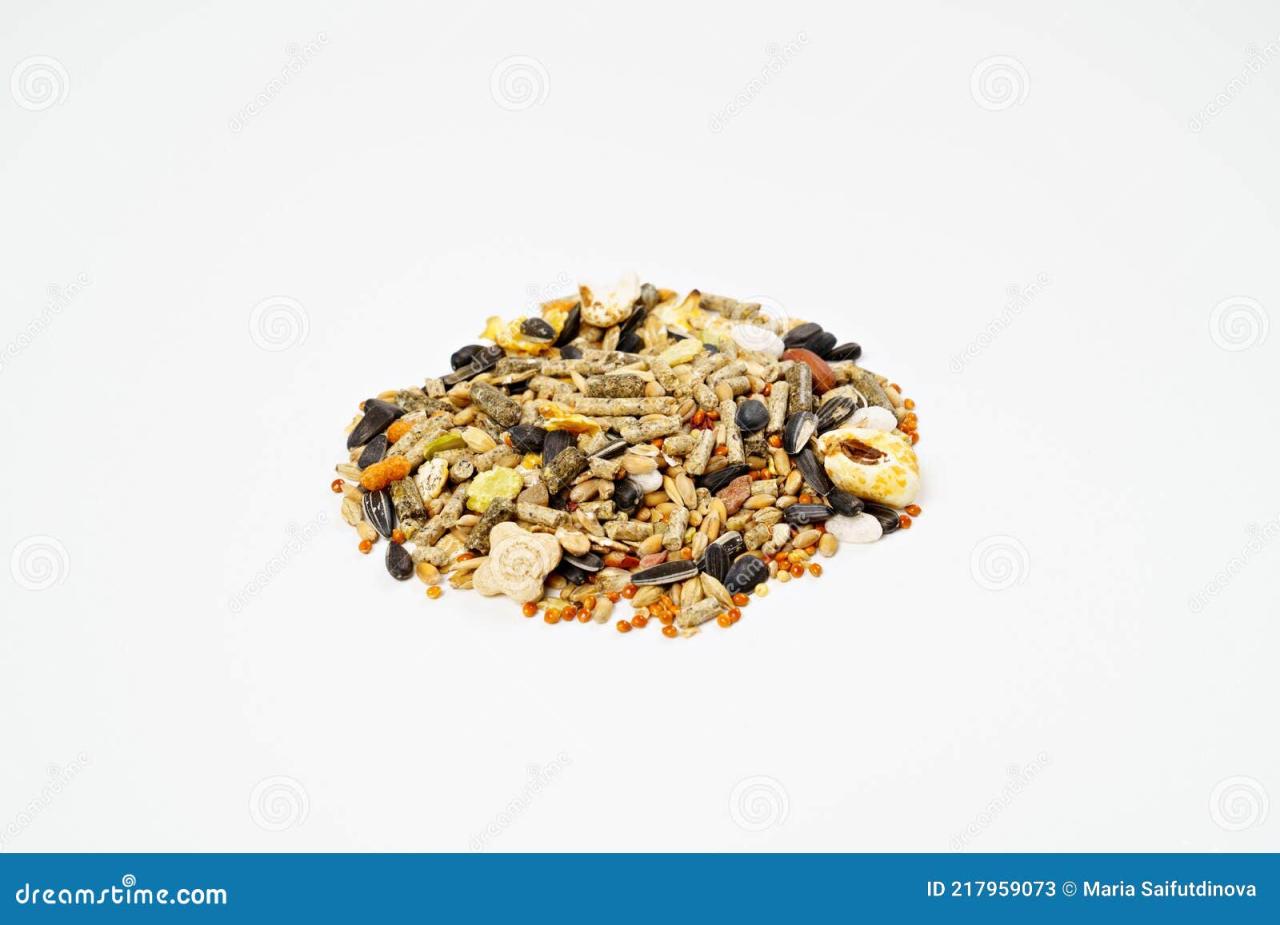
Proper portion control is essential in maintaining your hamster’s health and ensuring they receive a balanced diet. Providing the right amount of seeds helps prevent overfeeding, which can lead to obesity, digestive issues, and other health complications. Tailoring portions based on the hamster’s age, size, and overall health status promotes optimal well-being and longevity.Accurately assessing the appropriate seed quantity requires consideration of various factors.
Younger hamsters or those with higher activity levels generally need more energy intake, while older or less active hamsters require smaller portions. Additionally, hamsters with health concerns, such as obesity or digestive sensitivities, should have tightly controlled seed portions and monitored feeding routines. Regularly observing your hamster’s body condition and adjusting portions accordingly is key to maintaining a healthy weight and preventing overconsumption of seeds.
Determining Appropriate Seed Amounts
Understanding how much seed to offer your hamster involves evaluating their specific characteristics. A general rule of thumb is to provide a small portion that can be consumed within a day or two, preventing excess leftovers that could spoil or encourage overeating. The size and age of your hamster influence these portions; for example, smaller dwarf hamsters require less food compared to larger Syrian hamsters.For healthy adult hamsters, a typical daily seed portion ranges from approximately 1 to 2 teaspoons.
Younger hamsters or active breeds may need closer to 2 teaspoons daily, split into multiple feedings. It is important to consider their overall diet, including fresh vegetables, fruits, and proteins, to avoid over-reliance on seeds alone.
Tips to Prevent Overfeeding and Associated Health Issues
Preventing overfeeding is vital in maintaining your hamster’s health and preventing obesity-related problems such as diabetes, heart disease, and joint issues. Limiting seed portions and providing a balanced, varied diet reduces the risk of excessive weight gain. Establishing a consistent feeding schedule helps monitor intake and detect any changes in eating habits or body condition early.Avoid giving unlimited access to seeds, as this can lead to overeating.
Instead, offer measured portions and remove uneaten food after scheduled feeding times. Regularly weighing your hamster and checking their body condition can provide clues about whether adjustments are necessary. Remember, a sedentary hamster with access to excessive food is more prone to health issues, so moderation is key.
Examples of Portion Sizes for Various Hamster Types
Below are typical seed portion recommendations for different hamster breeds, based on their size and dietary needs. These serve as guidelines but should be adjusted according to individual hamster activity, health, and overall diet:
- Syrian Hamsters: 1.5 to 2 teaspoons of seeds daily, divided into two feedings.
- Dwarf Hamsters (e.g., Roborovski, Campbell’s): 1 teaspoon of seeds daily, split into two feedings.
- Chinese Hamsters: Around 1 teaspoon daily, ensuring balance with fresh foods.
For weekly feeding, consider offering approximately 10 to 14 teaspoons of seeds for a Syrian hamster, adjusting based on activity level and diet variety. Always ensure fresh water is available and complement seed intake with fresh vegetables, fruits, and proteins to promote a well-rounded diet.
Monitoring your hamster’s body condition and adjusting portions accordingly ensures a healthy, happy pet while preventing health issues associated with overfeeding.
Precautions and Common Mistakes in Feeding Seeds
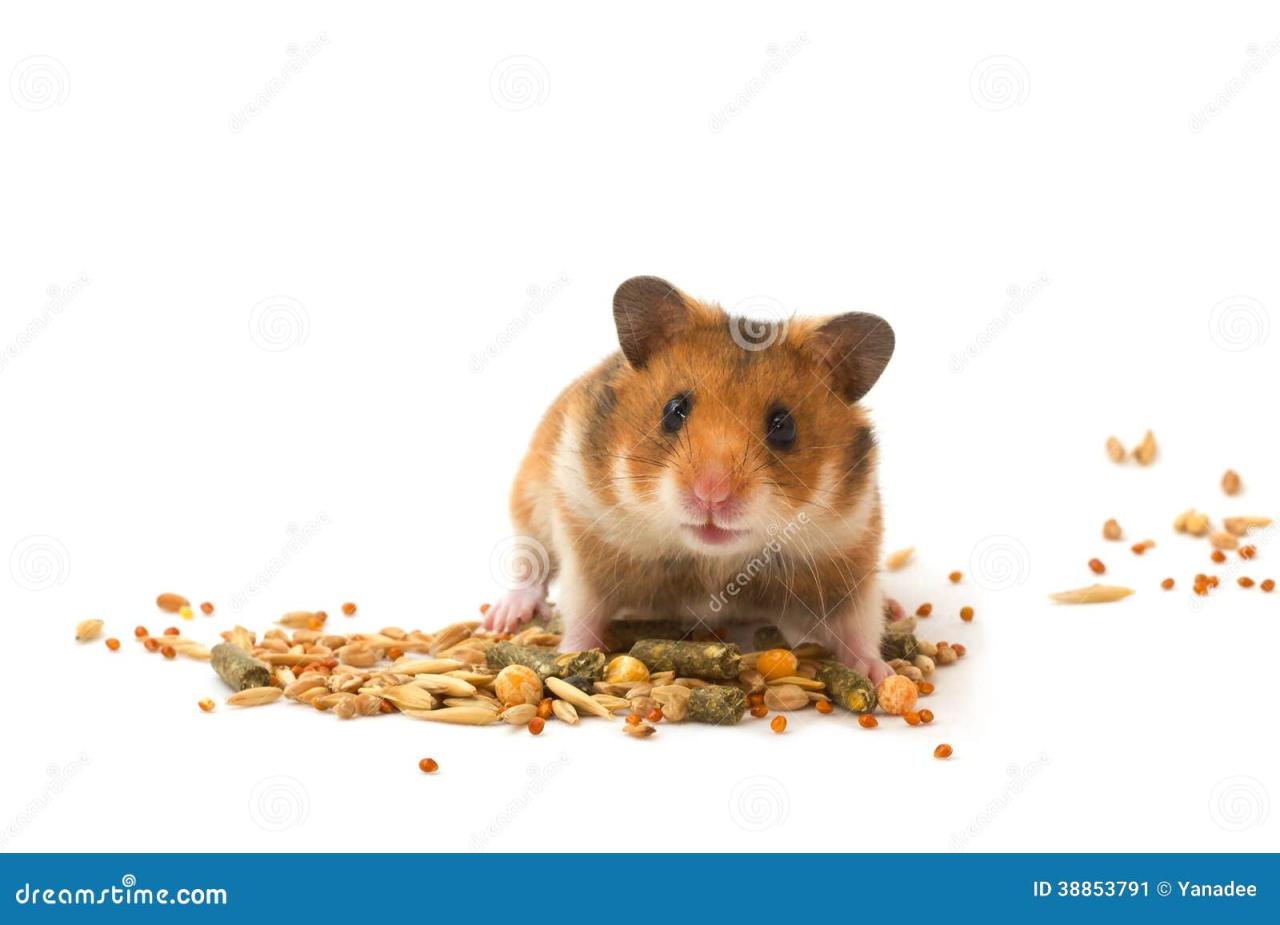
Proper feeding practices are essential for maintaining your hamster’s health and ensuring a balanced diet. While seeds can be a nutritious part of their diet, improper handling or misconceptions can lead to health issues. Recognizing common errors and understanding how to avoid them can significantly improve your hamster’s well-being.Feeding seeds to your hamster requires attention to quality, quantity, and frequency.
Mistakes such as offering spoiled seeds or providing seeds exclusively can jeopardize their health. Monitoring for signs of seed-related health problems and adhering to recommended feeding guidelines are crucial steps in responsible pet care.
Common Errors in Seed Feeding
Feeding seeds is beneficial, but several typical mistakes can compromise your hamster’s health. Being aware of these errors helps in preventing potential problems and promoting a balanced diet.Incorrectly offering spoiled or moldy seeds can introduce harmful bacteria or fungi into your hamster’s diet, potentially leading to digestive issues or infections. Seeds that have become rancid or show signs of mold should always be discarded immediately.Offering seeds as the sole source of nutrition neglects the hamster’s need for a varied diet that includes fresh vegetables, fruits, and proteins.
This imbalance can cause deficiencies and health problems such as obesity, malnutrition, or dental issues.Overfeeding seeds can result in excessive calorie intake, which may lead to obesity, joint stress, or diabetes. Seeds are energy-dense, so portion control is vital.Providing seeds infrequently or inconsistently may cause your hamster to become picky or develop nutritional deficiencies. Establishing a regular feeding schedule ensures better health and enrichment.
Signs of Seed-Related Health Problems
Monitoring your hamster for specific health issues related to seed intake allows for early intervention and improved recovery outcomes. Be vigilant for these symptoms:Digestive disturbances such as diarrhea, constipation, or foul-smelling feces may indicate overconsumption or spoiled seeds. A sudden change in stool consistency warrants a review of their diet.Weight fluctuations, either weight gain or loss, can signal dietary imbalances.
Overfeeding seeds often results in obesity, while deficiencies might cause weight loss and lethargy.Dental problems like overgrown teeth or difficulty chewing can be linked to a diet lacking in fibrous foods. Seeds should be part of a diet that includes chewable vegetables or safe treats to promote dental health.Signs of allergies or sensitivities, such as itching, swelling, or respiratory issues, should prompt a reassessment of the seed types offered, especially if they are new to the hamster.
Do’s and Don’ts for Seed Feeding Practices
Maintaining best practices ensures your hamster benefits from seeds without risking their health. The following table summarizes essential do’s and don’ts:
| Do’s | Don’ts |
|---|---|
| Choose high-quality, fresh seeds free from mold or rancidity. | Avoid feeding spoiled or moldy seeds. |
| Offer seeds in moderation as part of a balanced diet containing vegetables, fruits, and proteins. | Do not give seeds exclusively; this can cause nutritional deficiencies. |
| Store seeds in a cool, dry place to prevent spoilage. | Refrain from storing seeds in humid or warm environments that promote mold growth. |
| Introduce new seed types gradually to monitor for allergies or sensitivities. | Avoid sudden changes or large quantities of new seed varieties without observation. |
| Regularly observe your hamster for signs of health issues related to seed intake. | Ignore symptoms like digestive irregularities or dental problems; seek veterinary advice if needed. |
| Provide a consistent feeding schedule with appropriate portion sizes. | Overlook portion control, risking obesity or malnutrition. |
Incorporating these precautions and avoiding common mistakes will help ensure that your hamster remains healthy, active, and happy. Responsible seed feeding is a key aspect of overall pet care, fostering a balanced diet and preventing avoidable health issues.
Summary
In conclusion, providing the right seeds to your hamster involves understanding their dietary requirements, selecting quality options, and implementing proper feeding routines. Attention to detail and moderation are crucial in preventing health issues and ensuring your hamster enjoys a balanced diet. With these practices, your pet can thrive and remain active and happy for years to come.