Understanding how to properly feed fruits to a hamster is essential for maintaining their health and well-being. Properly incorporating fruits into their diet requires knowledge of suitable types, preparation methods, and feeding routines to ensure safety and nutritional balance.
This guide provides comprehensive insights into selecting safe fruits, preparing them appropriately, and monitoring your hamster’s reactions, enabling you to offer a healthy and enjoyable treat while avoiding common mistakes.
Introduction to feeding fruits to a hamster

Incorporating fruits into a hamster’s diet can offer beneficial nutrients and variety, enhancing their overall health and happiness. Properly feeding fruits ensures that hamsters receive essential vitamins and minerals while minimizing potential health risks associated with improper feeding. As omnivorous creatures, hamsters can enjoy a range of fruits, but understanding the appropriate types and serving sizes is crucial for their well-being.
Effective fruit feeding involves introducing new items gradually, observing the hamster for any adverse reactions, and limiting the quantity to prevent digestive issues or obesity. Establishing a balanced diet that includes fresh fruits alongside their staple foods supports optimal health and longevity.
General guidelines for introducing fruits into a hamster’s diet
When adding fruits to a hamster’s dietary regimen, it is important to follow specific guidelines that promote health and avoid digestive disturbances. Introducing fruits slowly allows the hamster’s digestive system to adapt, reducing the likelihood of gastrointestinal upset. Fresh, ripe fruits should be the primary choice, avoiding processed or canned options with added sugars or preservatives.
Serving sizes should be small—typically a thin slice or a tiny cube—because hamsters have sensitive digestive systems and can easily overload on sugars. Fruits should be offered as occasional treats rather than daily staples to prevent excessive sugar intake, which can lead to obesity and dental problems.
Common mistakes to avoid when feeding fruits to hamsters
Hamster owners often encounter pitfalls that can compromise their pet’s health when offering fruits. Overfeeding is a frequent mistake, as excessive consumption can cause diarrhea, bloating, or obesity. It is vital to limit fruit portions and avoid giving fruits as a primary food source.
Another common error involves selecting inappropriate fruits. Some fruits contain high acidity or harmful substances that may upset the hamster’s digestive system or be toxic. For example, citrus fruits such as oranges and lemons are too acidic and should be avoided. Additionally, neglecting to remove seeds or pits from fruits like cherries and peaches can pose choking hazards or contain toxins.
Furthermore, offering fruits that are spoiled, moldy, or unripe can lead to illness. Regularly inspecting fruits before feeding and ensuring they are fresh and safe helps maintain the health of the hamster. Lastly, introducing fruits abruptly without monitoring for any adverse reactions can be risky; gradual introduction and observation are key to successful supplementation.
Types of safe fruits for hamsters
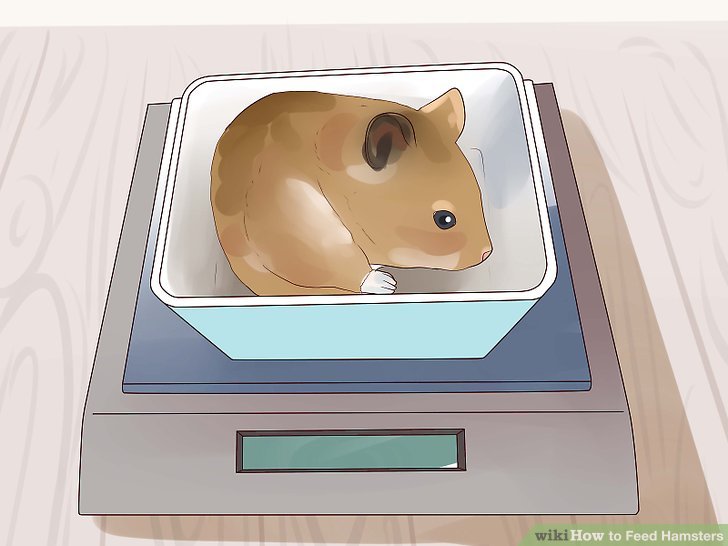
Introducing a variety of safe fruits into your hamster’s diet can provide essential nutrients and enhance their overall well-being. It is important to understand which fruits are suitable and beneficial, as well as to recognize those that should be avoided to ensure your pet’s health and safety.
When selecting fruits for hamsters, always consider their nutritional value, texture, and potential toxicity. Properly prepared fruits can serve as a healthy treat, encouraging natural foraging behaviors and enriching their diet with vitamins, minerals, and antioxidants. However, moderation is key, as excessive fruit intake can lead to digestive issues or obesity.
Suitable fruits for hamsters with detailed descriptions
Below are several fruits that are generally safe for hamsters when offered in appropriate portions. These fruits not only appeal to their taste buds but also provide valuable nutrients:
- Apples: Rich in fiber and vitamin C, apples are a crunchy and hydrating treat for hamsters. They should be given in small slices, with seeds removed to prevent ingestion of cyanogenic compounds.
- Bananas: A good source of potassium and vitamin B6, bananas are soft and easy to chew. Due to their high sugar content, they should be offered sparingly to avoid weight gain.
- Strawberries: Packed with vitamin C, antioxidants, and fiber, strawberries are an excellent choice. They should be washed thoroughly and sliced into manageable pieces.
- Blueberries: These berries are high in antioxidants and vitamin C. Their small size makes them easy to feed as a treat, but they should be given in moderation due to natural sugar levels.
- Pears: Containing dietary fiber and vitamin C, pears are juicy and nutritious. Remove the core and seeds before offering to prevent choking or ingestion of harmful substances.
- Melons (such as cantaloupe or honeydew): These hydrating fruits provide vitamins A and C, along with hydration benefits. Serve in small, seedless portions to prevent choking.
Comparison of nutritional benefits of various safe fruits
Understanding the nutritional profiles of different fruits can aid in making informed choices for your hamster’s diet. The table below compares some common safe fruits based on their key nutritional benefits:
| Fruit | Key Nutrients | Health Benefits |
|---|---|---|
| Apple | Fiber, Vitamin C, Quercetin | Supports digestion, boosts immune function, provides antioxidants |
| Banana | Potassium, Vitamin B6, Carbohydrates | Supports muscle function, energy levels, and nervous system health |
| Strawberries | Vitamin C, Manganese, Antioxidants | Enhances immune response, supports skin health, fights oxidative stress |
| Blueberries | Antioxidants, Vitamin C, Dietary Fiber | Reduces inflammation, supports cognitive health, promotes digestion |
| Pears | Dietary Fiber, Vitamin C, Potassium | Improves gut health, maintains electrolyte balance, boosts immunity |
| Melons | Vitamins A and C, Hydration content | Supports vision, immune health, and hydration |
It is essential to feed fruits in moderation and ensure they are fresh, properly prepared, and free from pesticides or harmful additives for your hamster’s safety and health.
Fruits to avoid include those that are toxic or unsuitable due to texture issues, such as citrus fruits, which can cause digestive upset, or fruits with pits and seeds that may be choking hazards or contain toxins. Always research each fruit thoroughly before offering it to your pet to maintain their health and happiness.
Preparing Fruits for Hamsters

Ensuring that fruits are properly prepared before offering them to your hamster is crucial for their health and safety. Proper preparation minimizes the risk of introducing harmful bacteria, unwanted chemicals, or choking hazards. Following precise steps helps maintain the nutritional integrity of the fruits while making them safe and enjoyable treats for your tiny pet.
Effective preparation involves washing, peeling, and cutting fruits to appropriate sizes, removing seeds or pits, and portioning servings carefully. These measures help prevent digestive issues, choking, and overfeeding, ensuring your hamster benefits from the natural sweetness and nutrients of fruits without compromising their well-being.
Washing, Peeling, and Cutting Fruits
Accurate cleaning and preparation of fruits are essential to remove pesticides, dirt, and bacteria. Proper peeling and cutting further enhance safety, especially considering the hamster’s delicate digestive system.
- Choose fresh, ripe fruits, free from mold, bruises, or signs of spoilage.
- Rinse the fruit thoroughly under cold, running water to eliminate surface residues. Use a soft brush for firm-skinned fruits like apples or pears to ensure all dirt is removed.
- If the fruit skin is thick, bitter, or difficult for your hamster to chew, peel it using a clean, sharp vegetable peeler. For softer fruits, peeling may not be necessary but should be considered based on individual fruit and hamster preference.
- Cut the fruit into small, manageable pieces—preferably no larger than a small cube or a thin slice—to prevent choking and facilitate easy consumption.
- Remove any remaining seeds, pits, or stems that could pose a choking risk or contain toxins.
Portioning Fruits to Prevent Overfeeding
Proper portioning is vital to prevent overfeeding, which can lead to obesity and other health issues in hamsters. Establishing clear guidelines helps maintain a balanced diet while still providing variety and enrichment through fruit treats.
- Offer fruits as occasional treats, constituting no more than 10% of the hamster’s daily diet.
- Limit serving sizes to approximately one teaspoon for small hamsters and up to one tablespoon for larger breeds, such as Syrian hamsters.
- Feed fruits only a few times a week, ideally 2-3 times, to prevent excessive sugar intake.
- Use small, shallow containers or directly place the portioned fruit into the hamster’s cage to control the amount given each time.
- Monitor your hamster’s response to new fruits, adjusting portions accordingly and observing for any signs of digestive discomfort or allergic reactions.
Removing Seeds or Pits Safely Before Offering Fruits
Seeds, pits, and stones of certain fruits can be toxic or pose choking hazards to hamsters. Proper removal is a critical step in preparing fruits for your pet.
- Identify the seeds, pits, or stones within the fruit. Common examples include apple seeds, cherry pits, peach pits, and plum stones.
- Use a small, sharp knife or a fruit pitter tool to carefully extract the seeds or pits, ensuring not to crush or damage the edible flesh.
- Discard the seeds or pits in a secure trash bin out of your hamster’s reach to prevent accidental ingestion.
- Inspect the remaining fruit pieces to confirm all seeds or pits have been removed; residual fragments can still be hazardous.
- For fruits with small seeds, such as strawberries or grapes, ensure that the seeds are thoroughly removed or the fruit is cut into tiny pieces that do not contain seeds, reducing the risk of choking or toxicity.
Feeding methods and frequency

Providing fruits to hamsters requires careful consideration of the presentation and timing to ensure their health and enjoyment. Proper feeding methods not only encourage natural foraging behaviors but also prevent overeating and spoilage. Establishing an appropriate feeding schedule and monitoring reactions are essential steps in maintaining your hamster’s well-being.The way fruits are offered can influence the hamster’s eating habits and safety.
Different presentation methods serve various purposes, from simple treats to part of their regular diet. Balancing frequency and portion sizes helps prevent digestive issues and ensures that fruit complements their overall balanced diet.
Feeding methods for fruits to hamsters
Incorporating fruits into your hamster’s diet can be done through several effective methods. Each approach offers unique benefits and can be adapted based on your hamster’s preferences and habits:
- Serving in a shallow bowl or dish: Placing small portions of chopped or sliced fruits in a clean, shallow dish encourages easy access and allows the hamster to enjoy their treat at leisure. This method helps prevent spillage and contamination. Ensure the dish is made of food-safe material such as ceramic or plastic that is easy to clean.
- As occasional treats: Offering fruits sporadically, perhaps a few times a week, helps diversify their diet without overloading their system with sugars and acids. Treats should be limited to small, manageable portions to prevent overfeeding.
- Hidden within foraging toys or enrichment devices: Embedding small pieces of fruit within chew toys or cardboard structures stimulates natural foraging instincts, providing both mental and physical stimulation. This method also moderates the amount of fruit consumed at one time, reducing the risk of overeating.
- As small, hand-fed pieces: For bonding or training, offering tiny fruit pieces directly from your hand can reinforce positive interactions. Use tongs or gloves if necessary to maintain hygiene and safety.
Feeding schedule and portion sizes
Establishing a consistent feeding schedule and appropriate portion sizes is crucial for the hamster’s health. Fruits should be integrated into their diet thoughtfully to avoid digestive disturbances or weight gain.
Typically, a small hamster should receive no more than one teaspoon of fruit per day, with frequency limited to 2-3 times per week. Adjustments should be made based on the hamster’s age, health, and activity level.
Feeding frequency
Fruits are considered treats rather than staple food. Providing them 2-3 times a week ensures variety without excessive sugar intake. Overfeeding fruits can lead to diarrhea, obesity, or dental issues due to sugar and acid content.
Portion sizes
For small hamsters, approximately 1 teaspoon of chopped fruit is sufficient per feeding session. Larger hamsters may tolerate slightly bigger portions, but the overall weekly intake should not exceed a few tablespoons.
Timing considerations
Offer fruits during active periods, such as early evening, when hamsters are naturally more inclined to forage. This timing supports their natural circadian behaviors and prevents food from spoiling in their enclosure.
Monitoring hamster reactions and adjusting feeding
Observing your hamster’s response to fruit consumption is vital for ensuring their safety and well-being. Some hamsters may have sensitive digestive systems or allergies that require adjustments:
- Watch for signs of digestive upset: Diarrhea, soft stool, or bloating can indicate intolerance or overfeeding. If any of these symptoms occur, reduce or eliminate fruit for a period and consult a veterinarian if necessary.
- Assess preferences and reactions: Some hamsters may enthusiastically enjoy certain fruits, while others may show disinterest or mild adverse reactions. Introducing new fruits gradually helps identify their individual tolerances.
- Adjust portion sizes accordingly: If your hamster exhibits signs of overeating or weight gain, decrease the frequency or portion size of fruit offerings. Conversely, if they seem under-enthusiastic or lose weight, consider diversifying or slightly increasing the portions within safe limits.
- Maintain a balanced diet: Fruits should complement high-quality hamster pellets, fresh vegetables, and occasional treats. Never replace their staple diet with fruits alone, as they lack essential nutrients required for overall health.
Consistent observation and tailored adjustments ensure that feeding fruits remains a safe and enjoyable part of your hamster’s diet, promoting their health and happiness in their home environment.
Closing Notes
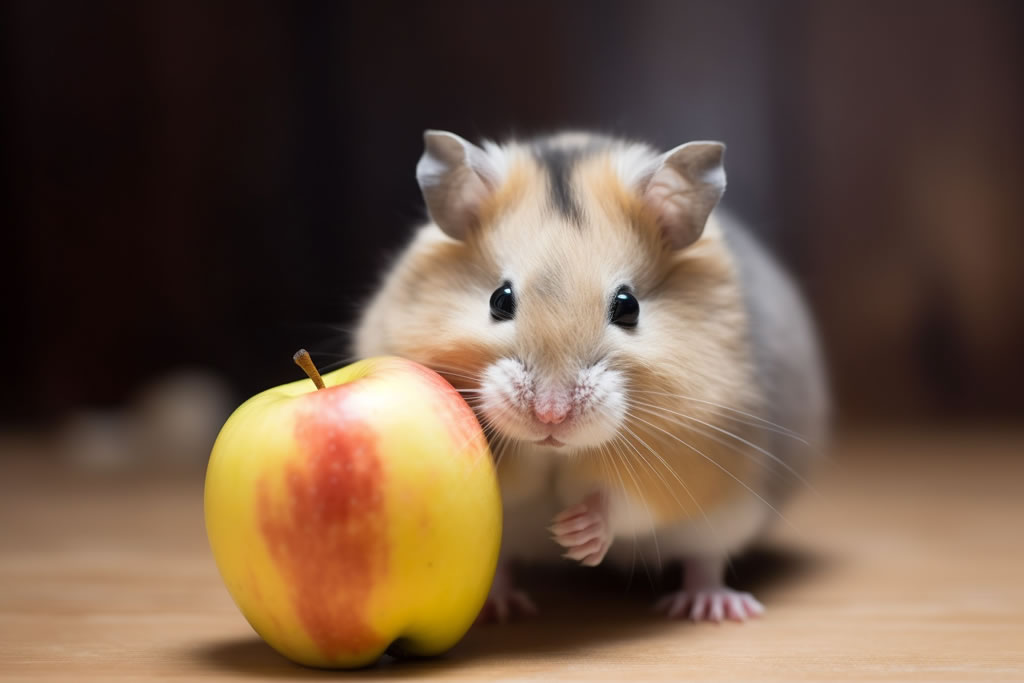
By following these guidelines, you can confidently introduce fruits into your hamster’s diet, ensuring they receive tasty and nutritious treats without compromising their health. Consistent observation and proper preparation are key to fostering a happy and healthy pet.