Understanding how to feed a hamster properly is essential for ensuring its well-being and longevity. Proper nutrition not only keeps your tiny pet energized but also prevents common health issues that can arise from improper feeding practices. By mastering the basics of a balanced diet and appropriate feeding routines, you can foster a happy and healthy life for your hamster.
This guide covers everything from selecting suitable foods and preparing meals to establishing effective feeding schedules and monitoring nutritional health, offering valuable insights for both new and experienced hamster owners.
Overview of Feeding a Hamster

Providing proper nutrition is essential for maintaining the overall health and well-being of a hamster. A balanced diet not only supports their active lifestyle but also prevents common health issues such as obesity, dental problems, and nutritional deficiencies. Understanding the dietary needs of hamsters ensures they thrive and live a longer, healthier life.
Hamsters are omnivorous creatures with specific dietary requirements that include a variety of nutrients necessary for their growth, energy, and immune function. Their diet should mimic their natural foraging habits, offering a mix of grains, seeds, vegetables, and occasional protein sources. Proper feeding habits are fundamental to their health, behavior, and longevity, making it important for pet owners to be well-informed about what constitutes a balanced hamster diet.
Essential Nutrients for a Balanced Hamster Diet
Ensuring a hamster receives all vital nutrients involves understanding the key components that contribute to a balanced diet. These include proteins, carbohydrates, fats, vitamins, minerals, and water. Each nutrient plays a specific role in supporting various bodily functions, from muscle development to immune health.
The primary source of energy for hamsters is carbohydrates, mainly derived from grains and seeds. Proteins are crucial for tissue repair and growth, often provided through high-quality hamster pellets, small amounts of cooked eggs, or mealworms. Healthy fats, found in seeds and nuts, support energy storage and coat health. Vitamins and minerals are essential for metabolic processes and bone health, which are included in specially formulated hamster foods and supplemented by fresh vegetables.
Common Feeding Mistakes to Avoid
Proper feeding practices are critical to ensure hamsters receive the right nutrients without overfeeding or nutritional imbalance. Several common mistakes can negatively impact their health and longevity.
- Overfeeding treats or human foods, which can lead to obesity and nutritional imbalance. Hamsters have small stomachs, and excessive treats can cause digestive issues.
- Relying solely on seed mixes, which often lack essential nutrients and can promote selective feeding, resulting in nutritional deficiencies.
- Feeding inappropriate foods such as citrus fruits, chocolate, or sugary treats, which are toxic or harmful to hamsters.
- Neglecting fresh water supply; dehydration can quickly become a health concern, especially in hotter climates or during active periods.
- Offering inconsistent diets or sudden changes without gradual transition, which can cause digestive upset and stress.
By avoiding these common mistakes and providing a well-rounded diet, pet owners can significantly enhance their hamster’s health, activity levels, and lifespan. Regularly consulting with a veterinarian knowledgeable about small pets ensures dietary needs are continually met and adjusted as the hamster ages or shows specific health needs.
Types of Food Suitable for Hamsters

Providing a balanced and nutritious diet is essential for maintaining the health and vitality of your hamster. Understanding the various food options available helps ensure that your pet receives all necessary nutrients while avoiding harmful substances. Different types of food serve specific dietary needs, contributing to their overall well-being, growth, and energy levels.
Hamsters are omnivorous creatures, and their diet should include a mix of commercial products, fresh produce, and occasional treats. Carefully selecting appropriate foods can prevent deficiencies and promote a long, healthy life for your pet. It is equally important to be aware of foods that are unsafe or toxic to hamsters, ensuring their safety and health.
Commercial Hamster Pellets and Mixes
Commercial hamster pellets are specially formulated to meet the nutritional needs of hamsters, providing a balanced combination of proteins, grains, vitamins, and minerals. These pellets are convenient and help prevent selective eating, ensuring your hamster gets comprehensive nutrition. Many brands also offer fortified mixes with added vitamins and nutrients tailored for different hamster species.
Using high-quality commercial products minimizes the risk of nutritional imbalances and simplifies feeding routines. It is advisable to select pellets free from artificial colors, preservatives, and fillers to promote healthier eating habits.
Fresh Vegetables and Fruits
Incorporating fresh vegetables and fruits into your hamster’s diet offers essential vitamins, minerals, and fiber that support digestion, immune function, and overall health. These natural foods should be offered in moderation, considering their sugar and moisture content, which can impact the hamster’s health if overfed.
Vegetables like carrots, cucumbers, spinach, and broccoli are typically safe, whereas fruits such as apples and berries can be provided occasionally as treats. It’s important to wash produce thoroughly to remove pesticides and to cut them into manageable sizes to prevent choking.
Comparison of Food Options and Nutritional Benefits
Food Category Key Nutrients Benefits Considerations Commercial Pellets Proteins, grains, vitamins, minerals Balanced nutrition, prevents selective eating Choose high-quality, free from artificial additives Fresh Vegetables Vitamins A, C, K, fiber, antioxidants Supports digestion, immune health Offer in moderation, wash thoroughly Fruits Natural sugars, vitamins, antioxidants Healthy treats, boosts vitamin intake Offer sparingly due to sugar content
Safe and Unsafe Foods for Hamsters
Knowledge of safe and unsafe foods is vital for preventing accidental poisoning or digestive issues. While many foods are healthy additions to your hamster’s diet, certain items can be harmful or even toxic, leading to severe health problems.
- Safe foods:
- Carrots
- Cucumbers
- Spinach
- Broccoli
- Apples (without seeds)
- Bananas (in small amounts)
- Unsafe foods:
- Chocolate
- Citrus fruits (e.g., oranges, lemons)
- Onions and garlic
- Raw beans and potato peels
- Avocado
- Processed human snack foods
It is essential to avoid feeding hamsters any foods containing artificial sweeteners, caffeine, alcohol, or spicy seasonings, as these substances can cause health complications. Regularly consulting with a veterinarian knowledgeable about small animals can help ensure an optimal diet and prevent potential hazards.
Preparing and Serving Food for a Hamster
Properly preparing and serving food for a hamster is essential to ensure its health and well-being. Fresh, well-handled food helps prevent spoilage and contamination, while appropriate portioning avoids overfeeding and waste. Creating a clean and organized feeding setup encourages healthy eating habits and simplifies daily care routines.
In this section, we will explore the steps involved in preparing fresh food items for hamsters, methods for portioning to prevent excess and waste, and how to establish an effective feeding station that promotes cleanliness and ease of access.
Preparing Fresh Food Items for Hamsters
Ensuring that food items are properly prepared before offering them to your hamster is crucial for safety and palatability. The process involves careful washing, appropriate chopping, and handling to maintain freshness and prevent contamination.
- Start by thoroughly washing fresh fruits and vegetables under cool, running water to remove dirt, pesticides, and bacteria. This step is especially important for items that are not pre-cleaned or organic.
- Remove any spoiled or moldy parts from the food to prevent ingestion of harmful substances. Discard any items with an unusual smell or appearance.
- Chop larger items into small, manageable pieces appropriate for your hamster’s size. Typically, bite-sized chunks or thin slices are ideal to prevent choking and facilitate easier eating.
- For leafy greens or herbs, tear or cut into small strips to make it easier for the hamster to grasp and chew.
- Consider blanching certain vegetables, such as carrots or broccoli, briefly in boiling water to soften them slightly and enhance digestibility, then cool quickly in ice water before serving.
Portioning Food to Prevent Overfeeding and Waste
Accurate portioning is vital to maintain your hamster’s health by avoiding obesity and reducing food waste. It also simplifies daily feeding routines and helps monitor your pet’s eating habits efficiently.
- Based on your hamster’s age, activity level, and dietary needs, provide small amounts of fresh food—generally, a teaspoon of fresh vegetables or fruits per feeding is sufficient for an adult hamster.
- Use a measuring spoon or a small container to portion out food, ensuring consistency across feedings and preventing overfeeding.
- Remove uneaten fresh food after 12 to 24 hours to prevent spoilage and bacterial growth, replacing it with fresh portions as needed.
- Implement a daily feeding schedule and observe your hamster’s response, adjusting portions if you notice weight gain or loss.
“Overfeeding can lead to obesity and associated health problems, while underfeeding may cause malnutrition; striking the right balance is key for your hamster’s well-being.”
Setting Up a Feeding Station
Establishing a dedicated and clean feeding station enhances your hamster’s eating environment and minimizes contamination and mess. The right setup ensures that your pet has easy access to food while maintaining hygiene standards.
- Select a shallow, non-slip dish or container made of ceramic or stainless steel that is easy to clean and durable. Avoid plastic, which can harbor bacteria or be chewed through by some hamsters.
- Place the food dish in a consistent, accessible area within the cage, away from bedding and waste zones to prevent contamination.
- Use a separate dish for fresh water, positioned near the food station, to encourage hydration and prevent spillage.
- Clean the feeding dishes at least once daily with hot, soapy water and rinse thoroughly to maintain hygiene and prevent bacterial buildup.
- Arrange the station in a quiet, low-traffic corner of the cage to minimize stress and disturbance during feeding.
Proper setup and maintenance of the feeding station contribute significantly to your hamster’s health, safety, and overall happiness, making daily care routines more efficient and enjoyable for both pet and owner.
Feeding Schedule and Frequency
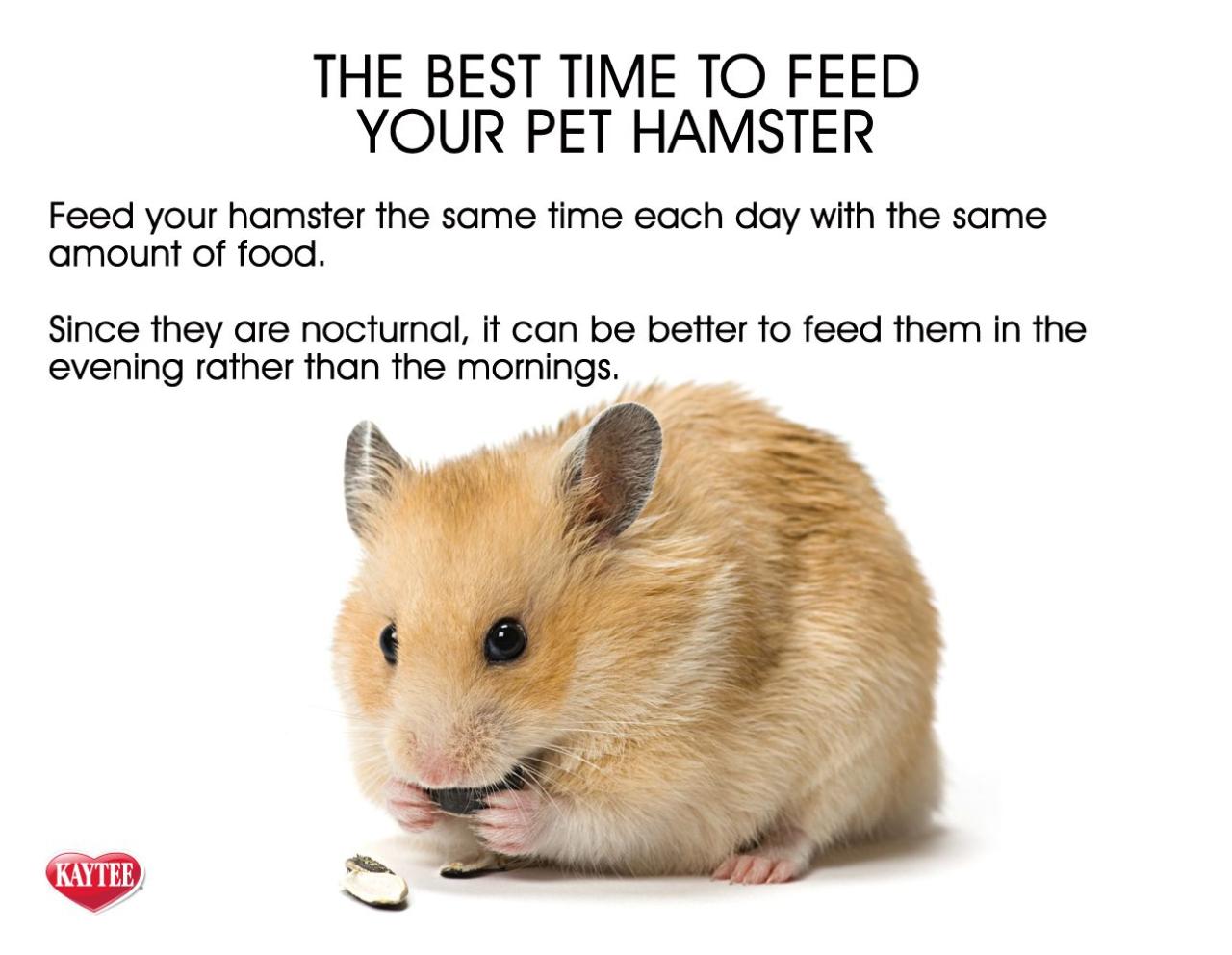
Establishing a consistent and well-balanced feeding routine is essential for maintaining a hamster’s health and ensuring they receive proper nutrition. Proper scheduling not only promotes a healthy metabolism but also helps in monitoring any changes in appetite or behavior that could indicate health concerns. Creating a routine that balances dry and fresh foods throughout the day can contribute to your hamster’s overall well-being, while adjusting feeding practices based on age and health ensures they receive appropriate nourishment at every life stage.A structured feeding schedule involves providing food at regular times each day and adhering to recommended quantities.
This consistency helps hamsters develop a sense of security and prevents overeating or underfeeding. As with many small pets, consistency is key in fostering healthy habits and early detection of potential health issues related to diet.
Daily and Weekly Feeding Schedule
Providing a clear timetable helps in managing your hamster’s dietary needs effectively. The following guidelines Artikel a typical schedule that can be tailored to individual needs:
Daily Routine:
- Morning: Offer a measured portion of dry food, such as high-quality commercial hamster pellets or mixes. This forms the core of their daily nutrition and should be available throughout the day.
- Midday: Check the food supply and remove any uneaten fresh foods from the previous day to prevent spoilage. If preferred, provide a small amount of fresh vegetables or fruits, but only in moderation to avoid digestive issues.
- Evening: Refresh fresh foods and replenish dry food if needed. This is an ideal time for interactive feeding or offering treats in moderation.
Weekly Routine:
- Assess the hamster’s weight, activity level, and overall health to determine if portion sizes need adjustment.
- Introduce a variety of fresh foods during the week, rotating options to encourage diverse nutrient intake.
- Clean the feeding area regularly to prevent contamination and mold growth in stored dry foods.
Balancing Dry and Fresh Foods
Achieving a proper balance between dry and fresh foods is vital for a hamster’s health. Dry foods such as pellets or seed mixes are formulated to provide essential nutrients and are convenient for daily feeding. Fresh foods, including vegetables and small amounts of fruits, supply vital vitamins and hydration, but should be offered in moderation to prevent diarrhea or obesity.To maintain this balance:
- Allocate approximately 80-90% of daily caloric intake to dry foods, ensuring consistent nutrition.
- Offer fresh foods in small quantities, ideally once or twice a day, as a supplement rather than a primary food source.
- Monitor the hamster’s response to fresh foods and adjust quantities accordingly, especially for hamsters with sensitive digestion or health concerns.
This approach ensures your hamster receives a comprehensive diet that supports their energy needs and overall health.
Adjusting Feeding Routine Based on Age and Health
Hamsters’ nutritional requirements evolve throughout their lifespan and can vary based on health status. Proper adjustments to their feeding routine are crucial for supporting growth, maintaining a healthy weight, and managing health conditions.For young hamsters ( <3 months):
- Provide higher protein and fat content to support rapid growth and development.
- Offer frequent, smaller meals to accommodate their energetic nature.
For adult hamsters (3-12 months):
- Maintain a consistent diet primarily composed of dry pellets or seed mixes, with regular inclusion of fresh foods.
- Monitor weight and activity levels to prevent obesity or undernutrition.
For senior hamsters (>12 months):
- Adjust diet to include more fiber-rich foods and reduce high-fat or sugary treats.
- Increase observation of health indicators, such as activity and weight changes, and consult a veterinarian for tailored recommendations.
In cases of illness or recovery from health issues, consulting a veterinarian is essential to fine-tune the diet. Special diets or supplements may be recommended to support healing and maintain nutritional adequacy during vulnerable periods. Regularly reviewing and adjusting the feeding schedule helps ensure your hamster remains healthy, active, and happy at every stage of life.
Monitoring and Adjusting Diet
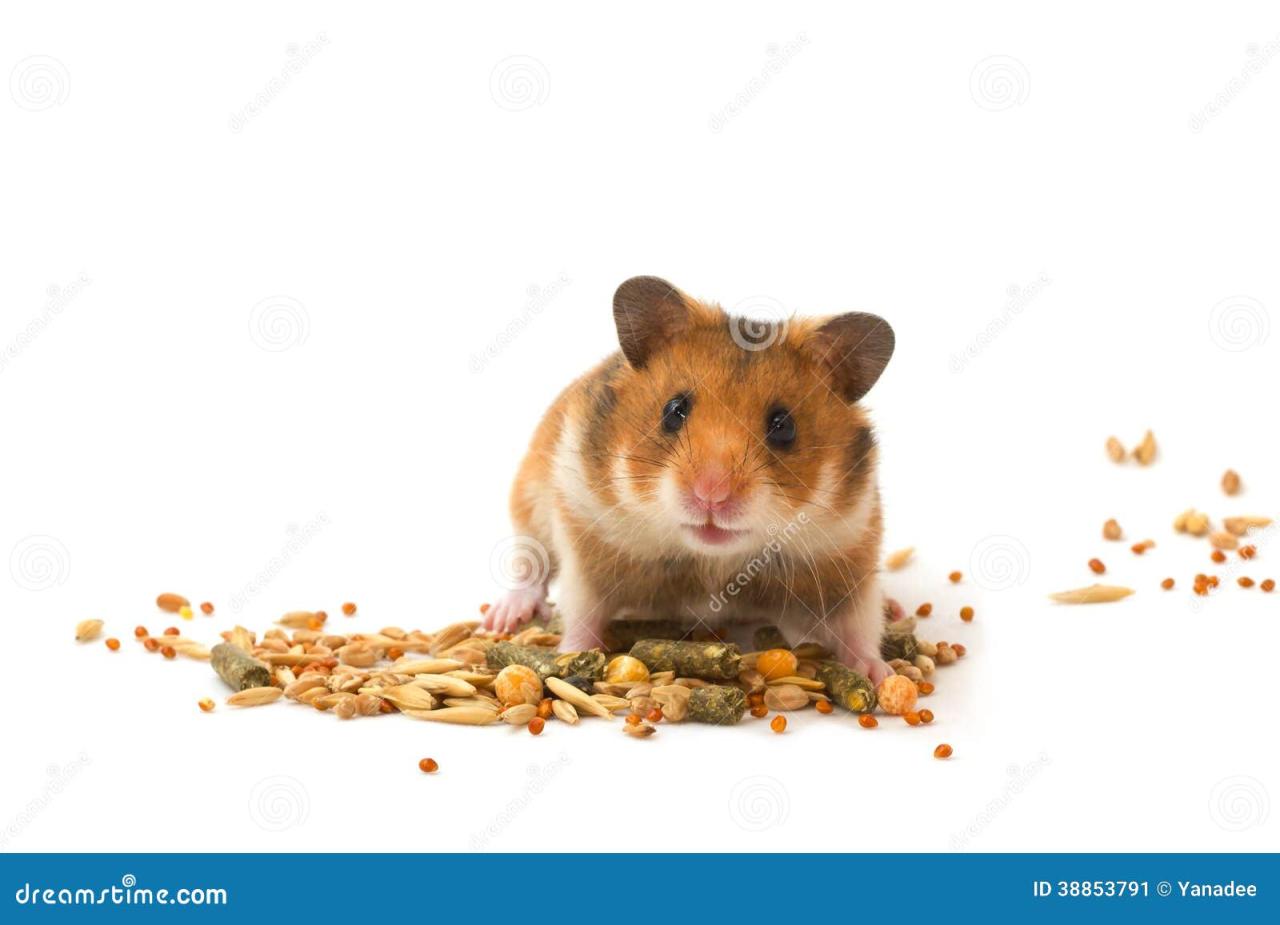
Maintaining a balanced and appropriate diet for a hamster is essential for its overall health and wellbeing. Regular monitoring helps identify early signs of nutritional deficiencies or overeating, allowing for timely adjustments to the diet plan. This proactive approach ensures that your pet remains healthy, active, and happy throughout its life.Effective monitoring involves observing daily behaviors and physical indicators that reflect the hamster’s nutritional state.
Over time, diet plans may need modifications to accommodate changes in age, activity level, health status, or personal preferences. Adapting the diet ensures your hamster’s nutritional needs are consistently met, preventing deficiencies and promoting optimal growth and vitality.
Signs of Nutritional Deficiencies and Overeating
Understanding the physical and behavioral signs that indicate nutritional imbalance is critical for early intervention. These signs can be subtle but are vital for maintaining your hamster’s health.
Watch for the following indicators:
- Weight Loss or Poor Coat Condition: A dull, patchy coat or unexplained weight loss may signal deficiencies in essential fatty acids, vitamins, or proteins.
- Overeating or Weight Gain: Excessive food intake leading to obesity can increase risks of diabetes, cardiovascular issues, and mobility problems.
- Lethargy and Reduced Activity: A decrease in activity levels may reflect nutritional deficiencies or underlying health problems.
- Digestive Issues: Diarrhea, bloating, or constipation can result from an imbalanced diet or unsuitable food types.
- Dental Problems: Overgrown teeth or difficulty eating may be linked to lack of appropriate chewables or calcium deficiency.
Regularly inspecting your hamster for these signs and noting any changes can help pinpoint dietary issues promptly.
Dietary Intake Tracking and Health Response Monitoring
A systematic approach to tracking food consumption and health responses supports precise diet management. Keeping detailed records allows you to identify patterns and make informed adjustments.
Implement a checklist to monitor:
| Aspect | Details to Record |
|---|---|
| Food Intake | Type and quantity of foods offered daily, observed leftovers, and feeding times. |
| Physical Condition | Weight measurements weekly, coat quality, and physical appearance. |
| Behavioral Changes | Activity levels, grooming habits, and social interactions. |
| Health Symptoms | Signs of illness, dental condition, bowel movements, and any abnormal behaviors. |
| Diet Adjustments | Any modifications made, reasons for changes, and observed outcomes. |
Review the records periodically to identify trends, such as consistent weight gain or loss, and to evaluate the effectiveness of diet adjustments.
Modifying Diet Plans for Changing Needs
Adapting a hamster’s diet to meet evolving health, age, or preference considerations ensures ongoing nutritional adequacy. Flexibility in diet planning is key to addressing specific needs effectively.
When making modifications, consider the following:
- Age-Related Adjustments: Young hamsters may require higher protein and fat levels for growth, while older hamsters benefit from diets rich in fiber and antioxidants to support aging processes.
- Health Conditions: Address specific health issues by consulting a veterinarian to customize the diet — for instance, diabetics may need low-sugar foods, whereas hamsters with dental issues may benefit from softer foods or increased chewables.
- Activity Level: More active hamsters may require increased caloric intake and varied nutrients to sustain energy levels, whereas less active ones may need fewer calories to prevent obesity.
- Preference and Tolerance: Observe which foods your hamster prefers and tolerates well, gradually introducing new items to diversify the diet while avoiding gastrointestinal upset.
Adjustments should be gradual, tracking the effects closely to prevent nutritional imbalances and ensure your hamster remains healthy and content.
Special Diet Considerations
Ensuring that a hamster’s diet meets its unique health requirements is essential for its well-being. Certain life stages, health conditions, or sensitivities demand tailored nutritional approaches. Understanding these special dietary needs allows pet owners to provide optimal care, prevent deficiencies, and address any health issues that may arise during a hamster’s lifespan.A well-planned dietary strategy considers the specific requirements during pregnancy, nursing, or illness, as well as the management of food allergies and sensitivities.
Proper adjustments and supplementation can significantly influence the hamster’s recovery, reproductive success, and overall vitality.
Dietary Requirements for Pregnant, Nursing, or Ill Hamsters
Hamsters in particular physiological states such as pregnancy, lactation, or recuperation from illness have altered nutritional needs. Meeting these demands enhances reproductive success and supports health recovery.Pregnant and nursing hamsters require increased levels of protein, vitamins, and minerals to sustain both their own health and that of their offspring. During pregnancy, the diet should include a higher proportion of high-quality protein sources like small amounts of cooked egg or lean meats, along with calcium-rich foods such as alfalfa or leafy greens.
Nursing hamsters need frequent access to nutrient-dense foods to support milk production, including a steady supply of fresh vegetables, high-quality hamster pellets, and occasional protein supplements.Ill hamsters or those recovering from illness benefit from diets that are easily digestible and fortified with specific vitamins and minerals. For example, adding a small quantity of probiotic-rich foods can aid digestion, while supplemental vitamins like vitamin C or B-complex can support immune functions.
It is crucial to consult a veterinarian to determine precise dietary adjustments and avoid over-supplementation, which could cause adverse effects.
Supplementing a Hamster’s Diet with Vitamins or Minerals
Adding vitamins and minerals to a hamster’s diet can address deficiencies, promote overall health, and enhance recovery from illnesses. Supplements should be used judiciously to prevent toxicity and imbalance.When considering supplementation, it is important to first identify specific nutritional gaps through veterinary assessment or observation of symptoms such as lethargy, poor coat quality, or abnormal behaviors. Supplements can be administered via fortified food, water, or specific products designed for small mammals.
- Vitamins such as vitamin C and B-complex are essential for immune health and metabolic functions. A small amount of vitamin C-rich fruits like bell peppers or supplements formulated for small animals can be provided.
- Minerals such as calcium support bone health and are particularly important during pregnancy and growth phases. Calcium supplements should be administered carefully to prevent overconsumption, which can lead to kidney issues or bladder stones.
- Multivitamin powders or syringes designed for small mammals can be mixed into food or water, following the manufacturer’s guidelines for dosage.
It is advisable to seek veterinary guidance before implementing any supplement regimen to ensure appropriate dosage and to tailor nutritional support to the hamster’s specific health needs.
Identifying and Managing Food Allergies or Sensitivities in Hamsters
Food allergies or sensitivities can manifest as skin irritations, gastrointestinal disturbances, or behavioral changes. Recognizing these signs early allows for prompt dietary adjustments to improve the hamster’s comfort and health.To identify food sensitivities, owners should observe the hamster’s response after introducing new foods or changes in diet. Symptoms such as chronic itching, swelling, diarrhea, or lethargy may indicate an adverse reaction.Managing food allergies involves a systematic elimination approach:
- Remove suspected allergenic foods from the diet, such as certain grains, nuts, or specific vegetables.
- Introduce one new food item at a time and monitor for adverse reactions over a period of several days.
- Maintain a consistent diet composed of known safe foods, focusing on high-quality, natural ingredients free from artificial additives or preservatives.
In some cases, consulting a veterinarian is necessary to perform allergy testing or to develop an appropriate hypoallergenic diet. Alternative options like specialized commercial diets formulated for sensitive animals can provide balanced nutrition without triggering allergic responses. Regular monitoring and prompt adjustments are crucial to maintaining a hamster’s health and comfort when sensitivities are present.
Epilogue
In conclusion, providing a well-balanced and carefully monitored diet is key to maintaining your hamster’s health and happiness. By paying attention to their specific dietary needs and adjusting routines as necessary, you ensure a thriving pet that can enjoy a vibrant and active life. Remember, attentive care and proper nutrition go hand in hand in nurturing a contented hamster.