Understanding how to feed a dwarf hamster properly is essential for ensuring their health, happiness, and longevity. Proper nutrition not only supports their active lifestyle but also prevents common health issues that can arise from an imbalanced diet. Whether you are a new pet owner or seeking to refine your hamster care routine, knowing the right foods and feeding practices can make a significant difference in your pet’s well-being.
This guide provides comprehensive insights into the dietary needs of dwarf hamsters, including suitable foods, foods to avoid, portion recommendations, and tips for maintaining a balanced diet. With this knowledge, you can confidently create a nourishing environment that promotes your hamster’s vitality and happiness.
Introduction to feeding a dwarf hamster
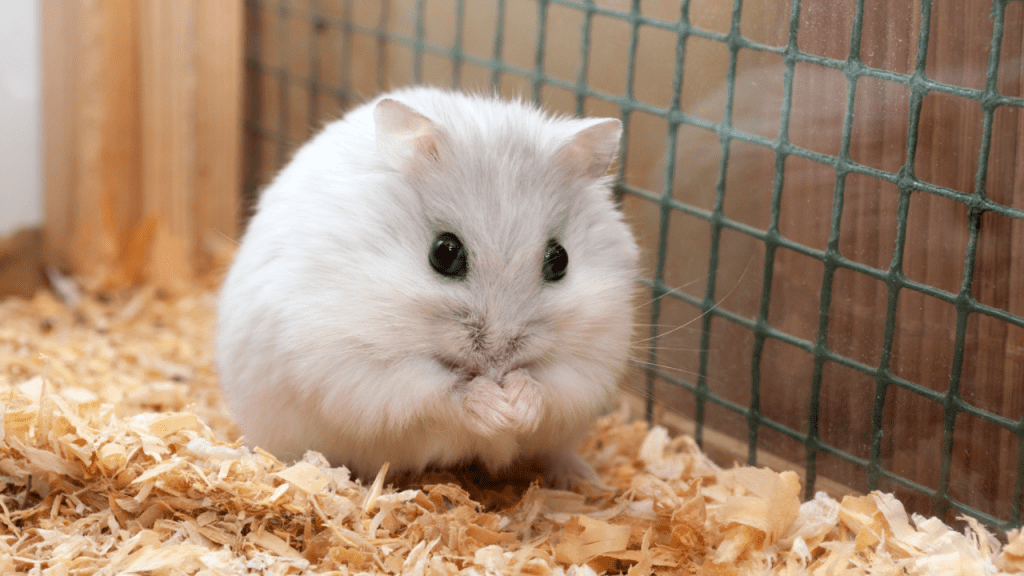
Proper nutrition plays a vital role in maintaining the health, happiness, and longevity of dwarf hamsters. These small creatures, though hardy, require a carefully balanced diet to meet their specific nutritional needs. Providing the right foods ensures they have the energy for daily activities, supports their immune system, and promotes optimal growth and development. An inadequate diet can lead to health problems such as obesity, malnutrition, or dental issues, which can significantly reduce their lifespan.
Understanding the dietary needs of dwarf hamsters is essential for responsible pet ownership. Their diet should primarily consist of a mix of high-quality commercial hamster food complemented by fresh produce and occasional treats. This balanced approach helps mimic their natural foraging behavior and supplies necessary nutrients such as proteins, carbohydrates, fats, vitamins, and minerals. Proper feeding routines and awareness of suitable and unsuitable foods are key to ensuring your dwarf hamster remains healthy and active throughout its life.
Basic dietary needs of dwarf hamsters
Feeding a dwarf hamster involves providing a variety of nutrients that support their delicate health. Their diet should include a base of commercial hamster pellets or mixes formulated to meet their nutritional requirements. These products are enriched with essential vitamins and minerals and help prevent selective feeding, where the hamster might pick only preferred foods, leading to nutritional imbalances.
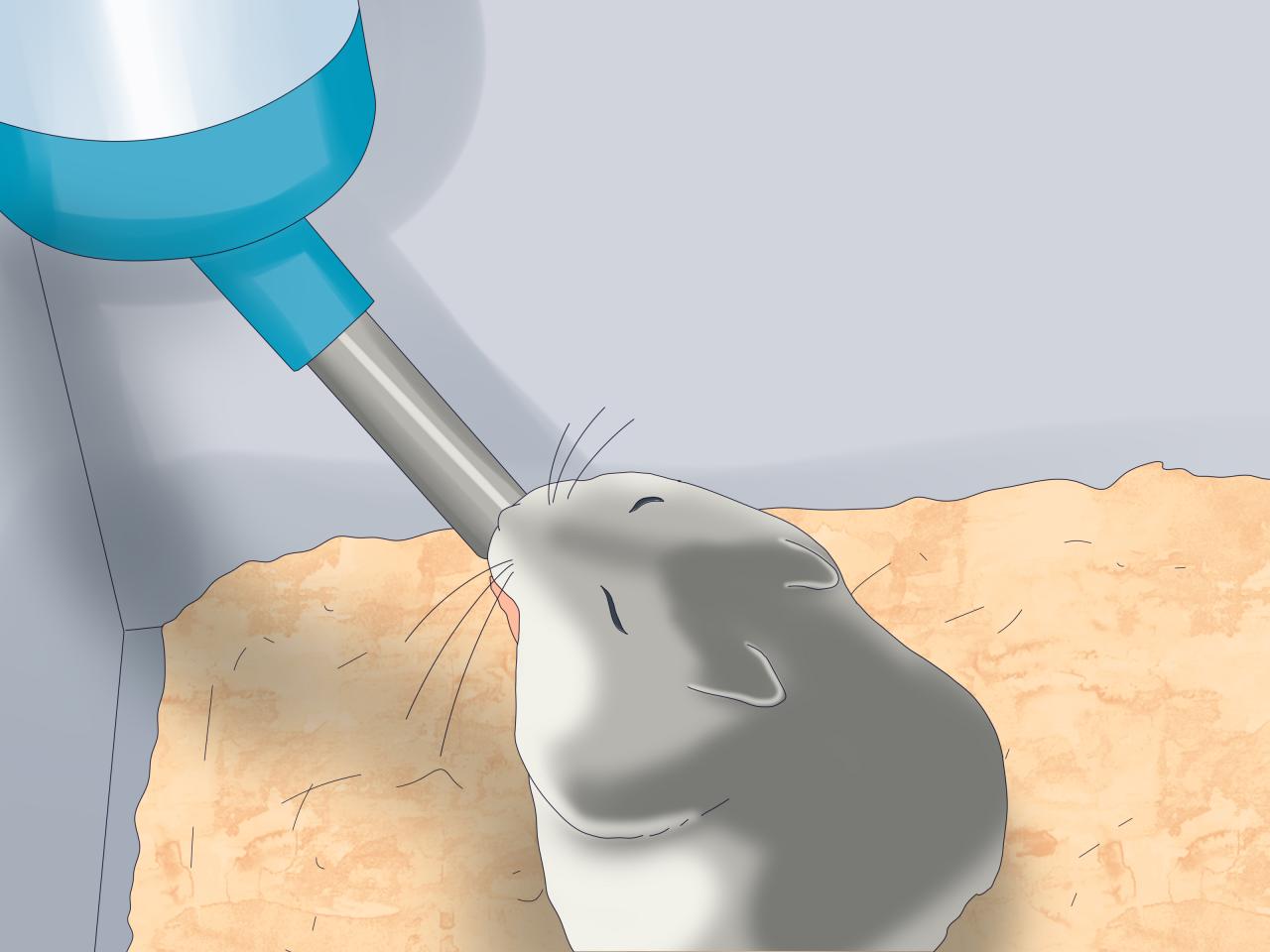
In addition to dry food, fresh vegetables and small amounts of fruit can provide vital vitamins and hydration. Protein sources such as boiled eggs or mealworms, offered sparingly, support muscle and tissue growth. Fats are also necessary for energy, but should be introduced carefully to avoid obesity. Fresh water, available at all times in a clean container, is indispensable for hydration and overall health.
Maintaining a consistent feeding schedule and monitoring portion sizes help prevent overfeeding and obesity. Recognizing natural foraging instincts, providing a variety of textures and flavors keeps your dwarf hamster engaged and satisfied, supporting their mental and physical well-being.
Comparison of suitable and unsuitable foods for dwarf hamsters
To ensure optimal health, it is important to distinguish between foods that are beneficial and those that may be harmful to dwarf hamsters. The table below offers a clear overview of common food types, highlighting their suitability based on nutritional content and safety considerations.
| Food Type | Suitable for Dwarf Hamsters | Unsuitable for Dwarf Hamsters | Notes |
|---|---|---|---|
| Commercial Hamster Pellets | Yes, formulated specifically for hamsters | No | Provides balanced nutrition, prevents selective feeding |
| Fresh Vegetables | Yes, in moderation (e.g., carrots, broccoli, cucumbers) | Yes, some vegetables (onions, garlic) | Avoid toxic vegetables; introduce gradually |
| Fruits | Yes, occasional small pieces (e.g., apple, berries) | Yes, citrus fruits, and overly sugary fruits | Too much sugar can cause obesity and dental issues |
| Proteins (e.g., boiled eggs, mealworms) | Yes, as treats or supplements | No | Offer sparingly to avoid excess fat intake |
| Processed Human Snacks (chips, candies) | No | Yes | High in salt, sugar, and artificial additives harmful |
| Chocolate and Sugary Sweets | No | Yes | Highly toxic, can cause severe health issues |
| Raw or Dried Beans and Legumes | No | Yes | May contain toxins or be difficult to digest |
| Avocado and Citrus Fruits | No | Yes | Can be toxic or cause digestive upset |
Through careful selection of foods and understanding their impacts, pet owners can foster a diet that promotes longevity, vitality, and happiness for their dwarf hamsters. Regular supervision and consultation with a veterinarian knowledgeable about small rodents are recommended to tailor diet plans to individual needs.
Types of Food Suitable for Dwarf Hamsters
Providing a balanced and nutritious diet is essential for maintaining the health, energy, and longevity of dwarf hamsters. Understanding the variety of foods that are safe and beneficial helps ensure they receive adequate nutrients and enjoy a stimulating diet. Dwarf hamsters are omnivorous creatures, which means their dietary needs include a mix of grains, vegetables, fruits, and protein sources. By diversifying their diet, owners can prevent nutritional deficiencies and encourage natural foraging behaviors.
In this section, we will explore primary food sources suitable for dwarf hamsters, highlight safe fruits and vegetables for inclusion, and organize a comprehensive table to assist in meal planning based on nutritional benefits and feeding frequency.
Primary Food Sources for Dwarf Hamsters
Ensuring a well-rounded diet involves selecting appropriate commercial products, fresh produce, and grains. Each of these components plays a vital role in fulfilling the hamster’s dietary requirements.
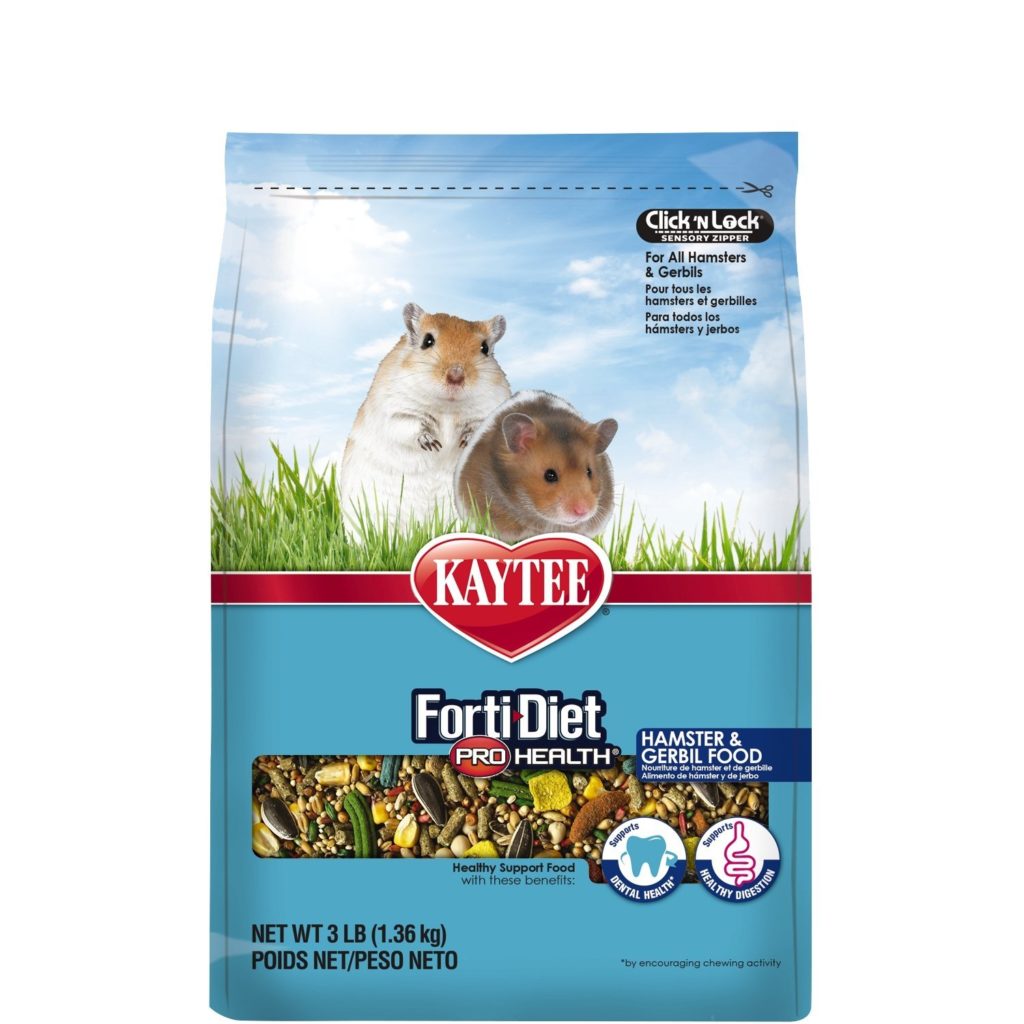
- Commercial Hamster Pellets: These formulated feeds are specifically designed to meet the nutritional needs of hamsters. They provide a balanced mix of proteins, vitamins, and minerals essential for overall health. Opt for high-quality pellets free from artificial colors and preservatives. These serve as the main staple in a dwarf hamster’s diet.
- Fresh Vegetables: Incorporating fresh vegetables offers vital vitamins, antioxidants, and fiber, promoting digestive health. Safe options include leafy greens and root vegetables, which should be offered in moderation to prevent digestive upset.
- Grains and Seeds: Whole grains such as oats, barley, and millet supply energy and fiber. These can be given as treats or mixed into their daily food, ensuring they do not comprise the majority of the diet to prevent obesity.
Safe Fruits and Vegetables for Dwarf Hamsters
Including fruits and vegetables in a dwarf hamster’s diet provides essential vitamins and variety, enriching their daily meals. It is crucial to select safe options and serve them in appropriate quantities to prevent digestive issues or toxicity. Always wash produce thoroughly and serve in small, manageable pieces.
- Safe Fruits: Apples (without seeds), berries (strawberries, blueberries), melons, grapes (seedless), and pears are suitable choices. They are rich in antioxidants and vitamins but should be offered sparingly due to their sugar content.
- Safe Vegetables: Carrots, cucumbers, broccoli, spinach, kale, zucchini, and bell peppers provide fiber, vitamins, and minerals beneficial to dwarf hamsters. Leafy greens like spinach and kale should be given in moderation because of their oxalate content.
Food Categorization by Nutritional Benefits and Feeding Frequency
To ensure a balanced diet, it is helpful to categorize foods based on their nutritional benefits and recommended feeding frequency. The table below illustrates this organization to facilitate proper meal planning and prevent overfeeding of certain food groups.
| Food Type | Nutritional Benefits | Recommended Frequency | Notes |
|---|---|---|---|
| Commercial Pellets | Complete balanced nutrition, vitamins, minerals | Daily (main diet) | Ensure pellets are free from artificial additives |
| Fresh Vegetables | Vitamins, fiber, antioxidants | Every 1-2 days | Introduce variety and wash thoroughly |
| Fruits | Vitamins, antioxidants, hydration | 2-3 times per week | Offer in small pieces to prevent sugar overload |
| Grains and Seeds | Energy, fiber | As treats or mixed in small amounts weekly | Monitor to prevent obesity |
Portion Sizes and Feeding Schedules
Maintaining an appropriate feeding routine is essential for the health, growth, and well-being of dwarf hamsters. Proper portion sizes and structured feeding schedules help prevent obesity, nutritional deficiencies, and other health issues. Understanding the specific needs based on age and activity levels ensures that your hamster receives optimal nourishment daily, weekly, and monthly.
Implementing a consistent feeding routine tailored to your hamster’s age and activity ensures they stay healthy and active. Monitoring their response to the diet allows for adjustments, promoting longevity and overall well-being. Proper portioning also minimizes waste and encourages a balanced diet, contributing to a happier, more energetic pet.
Recommended Daily and Weekly Portions for Different Age Groups
Feeding amounts should be adjusted according to the age, size, and activity level of your dwarf hamster. Young, growing hamsters require more nutrients to support development, whereas adult hamsters need a balanced maintenance diet. Senior hamsters may need smaller portions or specific dietary adjustments to support their health.
Typically, a dwarf hamster consumes about
1 to 2 tablespoons of high-quality hamster mix daily.
For younger hamsters up to 6 months old, this can be increased slightly to support growth, whereas mature hamsters may be fed near the lower end of this range to prevent overfeeding. For older hamsters, portions should be monitored closely and reduced if weight gain is observed.
Weekly, it is advisable to provide fresh vegetables and occasional treats in moderation, accounting for roughly 10-15% of their weekly intake. Treats should never exceed 10% of the total diet to prevent nutritional imbalance. Adjustments should be made if the hamster shows signs of weight gain or loss, reduced activity, or health concerns.
Sample Feeding Timetable
Organizing a clear feeding timetable helps ensure consistency and proper nutrition. The following is an example schedule for dwarf hamsters, designed to cover daily, weekly, and monthly routines:
| Frequency | Time/Day | Activities | Remarks |
|---|---|---|---|
| Daily | Morning and Evening | Provide fresh food, remove uneaten perishable items | Offer 1-2 tablespoons of dry mix and fresh vegetables |
| Weekly | Once a week (e.g., Sunday) | Clean food bowls, refresh bedding, offer a small treat or fresh greens | Inspect and adjust portions as needed based on activity level |
| Monthly | End of month | Deep clean cage, check for any health issues, review diet plan | Rotate or introduce new food items gradually |
In addition, some owners choose to record food intake and activity levels to observe patterns over time. This data can be invaluable for identifying changes that may indicate health issues or the need for dietary adjustments.
Monitoring and Adjusting Food Portions
Regular observation of your dwarf hamster’s behavior, activity levels, and body condition is crucial for maintaining appropriate portions. A healthy hamster maintains a steady weight, has a shiny coat, and remains active throughout the day. If your hamster begins to gain excess weight, it may be necessary to reduce portion sizes or increase exercise opportunities.
Conversely, signs of underfeeding include lethargy, a dull coat, or weight loss. In such cases, incrementally increasing portions or enriching their diet with nutrient-dense foods can help. Keeping a feeding log provides insights into how much food is consumed and can guide timely adjustments.
Monitoring activity levels through cage wheel use, playtime, and general alertness offers additional clues about nutritional adequacy. Adjustments should be made gradually, with care taken to avoid sudden changes that may upset your hamster’s digestive system or cause stress.
Supplementing a dwarf hamster’s diet
Providing a balanced diet is essential for maintaining the health and vitality of a dwarf hamster. While a well-rounded diet of commercial pellets, fresh vegetables, and occasional treats often meets most nutritional needs, there are circumstances where supplementation may be beneficial. Supplements can help address specific deficiencies, support overall health, or enhance the hamster’s immune system. However, it is important to understand the role of supplements, proper methods of introducing them, and appropriate options to ensure safety and effectiveness.Supplements such as vitamins and minerals play a supportive role in maintaining optimal health, especially when dietary intake may fall short.
They are generally recommended when a hamster shows signs of nutritional deficiencies, is recovering from illness, or if advised by a veterinarian. Over-supplementation can be harmful, leading to toxicity or imbalances, so supplements should always be administered judiciously and under professional guidance.When introducing new foods or supplements into a dwarf hamster’s diet, gradual implementation is crucial. Start with small quantities and monitor the hamster’s response, looking for any signs of digestive upset or allergic reactions.
It is advisable to introduce one supplement at a time to accurately assess its effects. Consistency in feeding routines and maintaining proper hygiene of feeding tools further ensures the safety and acceptance of new dietary additions.
Natural supplements and their benefits
Natural supplements can enhance a dwarf hamster’s diet in a safe and wholesome manner, providing essential nutrients without artificial additives. Including these in their diet can support immune function, coat health, and overall vitality. The following are examples of natural supplements along with their benefits:
- Fresh vegetables (e.g., carrots, broccoli, bell peppers): Rich in vitamins A and C, antioxidants, and fiber, promoting healthy digestion and immune health.
- Herbs like parsley and chamomile: Contain natural antioxidants and anti-inflammatory properties, which can help reduce stress and support digestive health.
- Sunflower seeds (unsalted): A source of healthy fats, vitamin E, and protein, beneficial for coat condition and energy levels.
- Cooked eggs (small amounts): Provide protein, B vitamins, and essential amino acids that support tissue repair and overall growth.
- Natural probiotics (e.g., small amounts of plain yogurt): Aid in maintaining healthy gut flora, improving digestion and nutrient absorption.
It is important to introduce natural supplements gradually and in moderation to prevent digestive disturbances and ensure acceptance by the hamster. Always consult a veterinarian before adding new supplements, especially if the hamster has underlying health conditions.
Preparing Food for Dwarf Hamsters
Providing fresh and appropriately prepared food is essential for maintaining the health and well-being of dwarf hamsters. Proper preparation ensures that the food retains its nutritional value, is safe for consumption, and encourages healthy eating habits. This section Artikels effective procedures for washing, chopping, and serving food, along with best practices for storage to prevent spoilage and preserve freshness. Additionally, a comprehensive list of tools and containers will support efficient and hygienic food preparation.
By following these guidelines, pet owners can create a clean, nutritious, and enjoyable feeding routine that contributes positively to their dwarf hamster’s overall health and happiness.
Washing, Chopping, and Serving Fresh Foods
Careful preparation of fresh foods involves a series of steps designed to clean, portion, and serve meals that are safe and appealing for dwarf hamsters. The process begins with thorough washing to remove pesticides, dirt, and bacteria. Chopping ensures that foods are appropriately sized to prevent choking or digestion issues. Serving the right portion sizes helps control intake and maintain a balanced diet.
- Washing: Rinse fresh fruits, vegetables, and herbs under cool, running water. Use your hands or a soft brush to gently scrub surfaces, especially for items with porous skins or visible dirt. Avoid using soap or chemical cleaners, as residues can be harmful to small animals.
- Chopping: Cut fruits and vegetables into small, manageable pieces suitable for dwarf hamsters—roughly the size of a pea or smaller. This facilitates easy eating and reduces waste or choking risks. Remove any seeds, pits, or inedible parts that could pose health hazards.
- Serving: Place the prepared food in a clean, shallow dish or directly into the hamster’s enclosure. Ensure that the food is at room temperature to avoid gastrointestinal discomfort. Feed in moderation, observing the hamster’s preferences and adjusting portions accordingly.
Best Practices for Storing Food
Proper storage of prepared foods is crucial to maintain their freshness, nutritional content, and safety. Incorrect storage can lead to mold growth, bacterial contamination, and spoilage, which may cause health issues for your dwarf hamster. Implementing organized storage solutions and adhering to recommended practices prolongs the usability of fresh foods.
- Use airtight containers: Store chopped and washed foods in sealed containers to prevent exposure to air, moisture, and pests. Glass or BPA-free plastic containers with tight-fitting lids are ideal for preserving freshness.
- Refrigerate perishable items: Keep fruits and vegetables refrigerated if they are not consumed immediately. Most fresh produce can last 2–3 days when stored in the fridge at temperatures around 4°C (39°F).
- Label and organize: Clearly label containers with the date of preparation to monitor freshness. Organize stored foods by type and expiry date to reduce waste and ensure that older items are used first.
- Avoid cross-contamination: Keep raw produce separate from other foods and clean storage areas regularly to prevent bacterial growth.
Tools and Containers Needed for Preparing Hamster Food
Having the right tools and containers facilitates efficient, hygienic, and safe food preparation for dwarf hamsters. The following list provides essential equipment to support this process:
- Washing basin or sink: A dedicated basin for rinsing fruits and vegetables, ensuring thorough cleaning without contamination.
- Soft brush or sponge: For gently scrubbing produce with stubborn dirt or residues.
- Cutting board: A small, non-porous board specifically for preparing hamster foods to prevent cross-contamination with other kitchen items.
- Sharp knife or vegetable chopper: For chopping and portioning food into suitable sizes with precision and safety.
- Measuring spoons or cups: To portion foods accurately, maintaining balanced diets and avoiding overfeeding.
- Shallow dishes or feeding bowls: For serving prepared foods in the enclosure, preferably non-slip and easy to clean.
- Airtight storage containers: To keep prepared foods fresh and protected from environmental factors.
- Labeling markers or tape: For organizing and dating stored foods, ensuring freshness and reducing waste.
Tips for Maintaining a Healthy Diet for Dwarf Hamsters
Ensuring that dwarf hamsters maintain a balanced and nutritious diet is essential for their overall health, vitality, and longevity. Proper dietary management helps prevent common health issues such as obesity, malnutrition, and related ailments. Providing a diverse range of suitable foods, monitoring portion sizes, and observing your hamster’s dietary responses are key practices for fostering their well-being.A carefully curated diet not only supplies necessary nutrients but also stimulates natural foraging behaviors, contributing to your hamster’s mental and physical health.
By adopting strategic feeding habits and staying attentive to their dietary needs, you can promote a vibrant and healthy life for your dwarf hamster.
Methods to Ensure a Balanced Diet and Prevent Obesity or Malnutrition
Maintaining a balanced diet involves offering a variety of foods that supply all essential nutrients without overfeeding, which can lead to obesity. It’s important to measure food portions accurately, avoid excessive treat offerings, and include both dry and fresh foods. Regularly reviewing your hamster’s weight and physical condition helps in adjusting feeding routines appropriately.Using a mix of high-quality commercial hamster pellets supplemented with fresh vegetables, occasional fruits, and protein sources ensures comprehensive nutrition.
Avoiding high-fat, sugary, or processed foods minimizes the risk of obesity and associated health issues. Creating a consistent feeding schedule, along with portion control, fosters metabolic stability and healthy weight maintenance.
Strategies for Encouraging Diversity in Food Choices
Encouraging dietary diversity is vital to prevent nutritional deficiencies and to keep your hamster engaged with their food. Incorporate a variety of safe vegetables such as carrots, broccoli, and cucumber, and rotate different fruits in small quantities. Introducing occasional protein sources like boiled egg or mealworms adds essential amino acids.Offering a selection of grains and seeds, while avoiding over-reliance on any single item, ensures a broad spectrum of nutrients.
Changing food types regularly and providing enrichment through natural foraging activities stimulate mental alertness and mimic natural behaviors, reducing boredom.
Signs of a Healthy versus Unhealthy Diet in Dwarf Hamsters
Understanding the indicators of dietary health helps in early detection of nutritional issues. A healthy diet manifests through observable signs such as a shiny coat, clear eyes, steady weight, and active behavior. Proper digestion results in well-formed droppings and consistent grooming habits.Conversely, signs of an unhealthy diet include lethargy, weight loss or gain beyond normal ranges, dull or patchy fur, and diarrhea or constipation.
An unbalanced diet may also lead to overgrown teeth, infections, or vitamin deficiencies. Regular health checks, along with monitoring food intake and physical condition, are crucial for maintaining optimal nutrition.
A balanced diet is the foundation of a happy and healthy dwarf hamster, requiring vigilance, variety, and moderation to ensure long-term wellness.
Ultimate Conclusion

In conclusion, feeding a dwarf hamster with care and attention to their nutritional requirements is key to fostering a healthy and vibrant pet. By selecting appropriate foods, monitoring portion sizes, and avoiding harmful substances, you can ensure your hamster enjoys a long, active, and happy life. Embracing these best practices helps build a trusting relationship and a thriving environment for your tiny companion.