Learning how to feed a baby hamster is essential for ensuring their healthy development and overall well-being. Proper nutrition during their early stages is crucial, as it lays the foundation for a strong and active adult hamster. Understanding their specific dietary needs and feeding techniques can make a significant difference in their growth and happiness.
This guide offers comprehensive insights into preparing a safe feeding environment, selecting suitable foods, and implementing effective feeding procedures tailored to different age groups. By following best practices and monitoring their health, pet owners can confidently nurture their tiny companions from newborn to maturity.
Introduction to Feeding Baby Hamsters
Proper nutrition plays a critical role in the healthy development of newborn hamsters. During their initial weeks of life, their small bodies require specific nutrients to support rapid growth, immune system development, and overall vitality. Ensuring their dietary needs are met not only promotes their physical health but also encourages natural behaviors and a strong foundation for their future well-being.
The typical diet of a baby hamster primarily consists of mother’s milk in the first days after birth, gradually transitioning to solid foods as they grow. Their nutritional needs include a balanced intake of proteins, fats, vitamins, and minerals, which are essential for tissue development, energy, and immune support. Recognizing the signs of a healthy versus a struggling baby hamster can help caregivers act promptly to provide appropriate care, ensuring each young hamster has the best start in life.
Typical Diet and Nutritional Needs of Baby Hamsters
Newborn hamsters are entirely dependent on their mother’s milk for the initial two to three weeks. This milk supplies a perfect combination of nutrients tailored to their delicate bodies, including proteins for tissue growth, fats for energy storage, and antibodies for immunity. As they approach three weeks of age, they begin to nibble on solid foods, which should be introduced gradually to complement their milk intake.
Once weaned, a balanced diet becomes crucial. This diet should include high-quality hamster pellets enriched with essential vitamins and minerals, fresh vegetables such as carrots or broccoli, and occasional protein sources like boiled eggs or small insects. Providing a varied and nutritious diet ensures proper growth, prevents deficiencies, and promotes overall health.
Signs of a Healthy vs. a Struggling Baby Hamster
Monitoring the health of baby hamsters is vital to ensure their proper development. Healthy newborns are typically active, have a consistent weight gain, and exhibit bright, clear eyes. Their fur appears soft and smooth, and they respond to gentle touches or sounds as they grow more alert.
In contrast, struggling hamsters may display signs such as lethargy, failure to gain weight, and a lack of activity. They might have dull or patchy fur, labored breathing, or exhibit coldness to the touch. Recognizing these signs early allows caregivers to seek veterinary advice or adjust their care routines promptly to support the hamster’s recovery and ensure its continued growth and well-being.
Preparing for Feeding Baby Hamsters
Establishing a proper feeding environment is a foundational step in ensuring the health and well-being of your newborn hamsters. Proper preparation minimizes stress and prevents potential hazards, creating a safe space for your tiny pets to thrive.
Thoughtful organization and attention to detail in setting up the feeding area contribute significantly to successful nurturing. It involves selecting appropriate tools, ensuring cleanliness, and devising a tailored feeding schedule that aligns with the developmental stages of the baby hamsters.
Setting Up a Safe Feeding Environment
Creating a designated, clean, and comfortable space for feeding helps promote healthy eating habits and reduces anxiety for the young hamsters. A stable environment ensures that they can access food easily without risk of injury or contamination.
- Choose a quiet, draft-free location away from direct sunlight and loud noises to foster a calm feeding atmosphere.
- Use a shallow dish or specially designed hamster feeding bowl that prevents tipping and contains the food securely.
- Ensure the area is free from hazards such as sharp objects or toxic substances that could harm the fragile baby hamsters.
- Maintain a consistent environment by keeping the temperature steady, ideally between 70-75°F (21-24°C), to support digestion and comfort.
- Implement a routine to clean and disinfect the feeding area regularly, preventing the buildup of bacteria and mold.
Checklist of Necessary Feeding Tools and Supplies
Having the right tools and supplies readily available simplifies the feeding process and promotes hygiene. This checklist ensures you are prepared to meet your baby hamsters’ nutritional needs efficiently.
| Item | Purpose |
|---|---|
| Small, shallow feeding dishes | Offers a safe and accessible surface for feeding, minimizing spillage and stress. |
| Baby hamster formula or high-quality milk replacer | Provides essential nutrients for growth, especially if the mother is unavailable or milk production is insufficient. |
| Dropper or syringe without a needle | Facilitates precise feeding, especially for very young or weak hamsters unable to eat from a dish. |
| Cleaning brushes or sponges | Ensures thorough cleaning of feeding tools to prevent bacterial growth. |
| Warm water and mild soap | For disinfecting feeding equipment between uses. |
| Thermometer | Monitors the temperature of milk replacer and environment to ensure optimal conditions. |
| Soft cloths or towels | Gently handles delicate babies and cleans up spills during feeding sessions. |
Organizing a Feeding Schedule Based on Age Stages
Recognizing the developmental needs of baby hamsters is crucial in establishing an effective feeding timetable. As they grow, their dietary requirements change, necessitating adjustments in frequency and quantity.
- Newborn to 7 days: Feed every 2-3 hours, including during the night, with small amounts of milk replacer. At this stage, their stomachs are tiny, and frequent feeding supports growth and warmth.
- 1 to 2 weeks: Gradually extend feeding intervals to every 3-4 hours. Begin introducing soft, crushed foods alongside milk replacer to encourage chewing and digestion.
- 3 weeks and older: Transition to more solid foods such as hamster pellets softened with water or milk, and decrease milk feeds gradually. Feedings can be scheduled three to four times daily, supporting their increasing activity levels.
- Monitoring and adjustments: Observe the babies’ weight gain, activity, and health to fine-tune the feeding schedule. Consult a veterinarian if growth stagnates or health issues arise.
Adapting the feeding schedule as your baby hamsters develop ensures they receive proper nutrition tailored to their changing needs, promoting healthy growth and development.
Types of Food Suitable for Baby Hamsters

Feeding baby hamsters with the right variety of foods is essential for their growth, development, and overall health. Proper nutrition during this critical stage ensures they build strong muscles, develop their immune system, and attain the necessary energy to thrive. Understanding the appropriate types of food, including natural options and commercial products, empowers caregivers to provide balanced diets tailored to the needs of these tiny creatures.
Choosing suitable foods involves considering nutritional content, natural ingredients, and ease of digestion for baby hamsters. Offering a combination of natural foods and carefully selected commercial options can support healthy development and prevent nutritional deficiencies. Below is a detailed comparison and list of natural foods that are beneficial for young hamsters.
Natural Foods Appropriate for Baby Hamsters
Natural foods play a vital role in supplementing a baby hamster’s diet, providing essential nutrients that support growth and vitality. These foods should be introduced gradually and in moderation to ensure they are well tolerated and easily digestible.
- Fresh Vegetables: Small portions of carrots, cucumbers, and leafy greens like spinach offer vitamins and fiber. These are rich in antioxidants and aid digestion.
- Fruits: Apples, berries, and melons can be given as occasional treats. They provide vitamin C and natural sugars for energy but should be limited due to sugar content.
- High-Quality Seeds: Sunflower seeds, pumpkin seeds, and millet offer healthy fats, protein, and energy. They should be given sparingly to prevent overfeeding.
- Cooked Proteins: Small pieces of cooked chicken or boiled egg provide necessary protein for muscle development, especially important during growth phases.
- Grains and Cereals: Oatmeal, cooked rice, or small amounts of whole grain bread supply carbohydrates and fiber essential for digestive health.
Comparison of Commercial Baby Hamster Foods Versus Homemade Options
Caregivers often face the decision of choosing between prepared commercial feeds or creating homemade diets for their baby hamsters. Both options have advantages and considerations that influence the best choice for the young rodent’s health.
| Aspect | Commercial Baby Hamster Food | Homemade Food Options |
|---|---|---|
| Ingredients | Formulated with a balanced mix of seeds, grains, vitamins, and minerals specifically designed for hamsters | Natural ingredients such as vegetables, fruits, grains, and proteins prepared at home |
| Benefits | Ensures a consistent, nutritionally complete diet; easy to portion and store | Provides fresh, varied ingredients; control over ingredient quality; promotes natural feeding habits |
| Considerations | May contain artificial additives; limited variety if not supplemented | Requires time and knowledge to balance nutrients properly; risk of imbalance or contamination |
Key Nutritional Components to Look for:
- Protein—essential for growth and muscle development
- Fats—provide energy and support cell function
- Vitamins and minerals—crucial for immune health and bone strength
- Fiber—promotes healthy digestion and prevents gastrointestinal issues
Feeding Procedures and Techniques
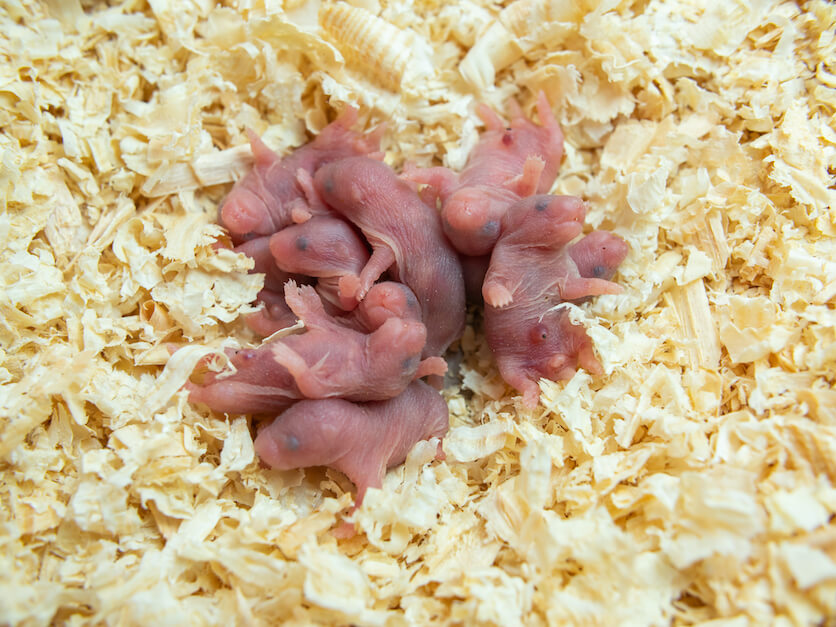
Proper feeding techniques are essential to ensure the health and growth of your baby hamster. Introducing food correctly and using suitable tools can prevent choking, reduce stress, and promote safe feeding habits. Understanding the right methods and maintaining a consistent routine are key to nurturing a thriving young hamster.
In this section, we will explore the proper ways to introduce food, effective hand-feeding practices, the use of feeding tools such as syringes and tweezers, as well as appropriate feeding schedules tailored to different age groups of baby hamsters.
Introducing Food to Baby Hamsters
Introducing food to a baby hamster should be a gradual process, ensuring they are comfortable and able to swallow without difficulty. Begin by offering small amounts of soft, easily digestible foods close to their nest, allowing the hamster to investigate and accept the new taste and texture at their own pace. Observing their response helps identify whether they are ready for more complex or solid foods.
One effective method is to gently place a tiny portion of food near their mouth using clean fingers or feeding tools, encouraging the hamster to nibble. This promotes positive association with feeding and helps develop their chewing skills. Patience and consistency are important, especially for very young or tentative eaters.
Hand-Feeding and Use of Feeding Tools
Hand-feeding is often necessary for weak or very young baby hamsters that refuse or are unable to eat independently. Proper technique minimizes stress and reduces the risk of choking or injury. When hand-feeding, it is crucial to support the baby hamster gently but firmly, holding them securely to prevent sudden movements.
Feeding tools like syringes and tweezers play a vital role in delivering appropriate portions, especially when the hamster cannot open their mouth fully or prefers a controlled delivery. Use a small, soft-tipped syringe or a pair of clean, fine-tipped tweezers to place food directly into their mouth. Ensure the tools are sanitized before each use to prevent infections.
Position the hamster upright or slightly inclined to facilitate swallowing and reduce the chance of aspiration. Never force food into their mouth aggressively; instead, gently guide the food until they accept it naturally. Regularly check the tools for cleanliness and replace them if damaged or worn.
Feeding Frequency and Portion Sizes
The frequency and quantity of food offered to baby hamsters depend on their age and developmental stage. Young hamsters require more frequent, smaller feedings, whereas older babies can start to eat larger portions less often. Overfeeding can lead to obesity, while underfeeding hampers growth, so balancing portion sizes is essential.
In general, newborn or very young hamsters (less than two weeks old) are fed every 2-3 hours with small amounts of milk replacer or soft foods. As they grow, their feeding schedule can be gradually extended to every 4-6 hours, and solid foods can be introduced alongside milk. By the time they are around three weeks old, they can be fed three to four times daily with appropriate portions.
Sample portion sizes include approximately 0.1 to 0.2 ml of milk replacer per feeding for pups under two weeks old, increasing gradually as they grow. Solid foods should be offered in tiny, manageable amounts—about a pea-sized portion—adjusted to their appetite and growth rate.
Sample Feeding Timetable
| Age | Food Type | Portion Size | Frequency |
|---|---|---|---|
| 0-2 weeks | Milk replacer | 0.1-0.2 ml | Every 2-3 hours |
| 2-3 weeks | Milk replacer and soft solids | 0.2-0.3 ml milk + small soft foods | Every 4-5 hours |
| 3-4 weeks | Soft foods, grains, vegetables | Pee-sized portions | 3-4 times daily |
| 4 weeks and older | Pellets, fresh vegetables, grains | As much as the hamster can consume comfortably | 2-3 times daily |
Monitoring and Adjusting Feeding Plans

Effective feeding of a baby hamster requires consistent observation and a willingness to adapt the feeding strategy as the young hamster develops. Monitoring signs of digestion and nutrition ensures that the hamster receives optimal nourishment, supporting healthy growth and preventing potential health issues. Adjusting feeding plans based on the hamster’s changing needs is essential for fostering a strong, healthy animal.
Proper monitoring involves paying close attention to physical cues, behavior, and weight changes, while adjustments should be made thoughtfully, considering the hamster’s age, size, and overall health. Recognizing and addressing problems early can prevent complications and promote smoother growth trajectories. This section provides insights into effective observation techniques, criteria for making adjustments, and troubleshooting common issues encountered during feeding young hamsters.
Signs of Proper Digestion and Nutrition
Interpreting the signs of a well-fed baby hamster is crucial for ensuring its health. Healthy digestion manifests through regular, firm stools that are neither too loose nor too dry. The hamster should maintain a steady weight gain appropriate for its age, with a shiny coat and bright eyes indicating good nutrition. Energetic behavior, such as active exploring and normal grooming, also reflects adequate nourishment.
Conversely, signs of nutritional deficiencies or digestive problems include lethargy, weight loss or stagnation, diarrhea, or constipation. Pale or dull fur may suggest poor diet or illness. Monitoring these indicators allows caregivers to make timely adjustments to feeding routines and dietary choices, fostering optimal growth and well-being.
Methods to Adjust Feeding Based on Growth and Health Status
Adjustments to the feeding plan should be guided by the hamster’s developmental stage and health condition. For rapidly growing babies, increasing the frequency of feedings with appropriate small quantities can support their developing needs. As the hamster matures, gradually shifting to more solid foods and less frequent feedings aligns with their natural progression.
If signs of undernutrition or health issues appear, such as weight stagnation or digestive disturbances, it may be necessary to re-evaluate the diet. Incorporating more nutrient-dense foods, like high-quality hamster pellets or fresh vegetables, can enhance nutritional intake. Consulting a veterinarian for persistent concerns ensures that adjustments are safe and effective. Regular weighing and health assessments are key components of a responsive feeding strategy.
Common Issues and Troubleshooting Tips
Feeding young hamsters can sometimes present challenges. Recognizing common issues early and applying targeted solutions helps maintain their health and growth trajectory. Below are typical problems encountered and practical troubleshooting tips:
- Loose stools or diarrhea: Often caused by overfeeding or introducing new foods too quickly. Reduce feeding quantities and gradually reintroduce new foods, ensuring they are in small, manageable pieces.
- Constipation: May result from insufficient fiber or dehydration. Increase the intake of fresh vegetables high in fiber, ensure fresh water is available at all times, and consider a slight increase in exercise.
- Weight stagnation or loss: Indicates possible underfeeding or illness. Reassess portion sizes, feeding frequency, and consult a veterinarian if weight loss persists despite dietary adjustments.
- Refusal to eat: Often linked to illness, stress, or unsuitable food. Check environmental conditions, offer alternative nutritious foods, and seek veterinary advice if refusal continues.
- Signs of illness (lethargy, dull fur, abnormal stools): Require prompt veterinary attention. Maintain a clean and comfortable environment, and avoid sudden changes in diet.
By closely observing these signs and making timely adjustments, caregivers can promote healthy development and prevent common feeding-related issues in baby hamsters. Regular communication with a veterinarian and attentive care are fundamental to ensuring the well-being of these delicate young animals.
Special Considerations
Feeding baby hamsters requires careful attention to their unique needs, especially when they are orphaned or show signs of weakness. These situations demand tailored protocols to ensure their survival, growth, and well-being. Additionally, maintaining proper hydration and supplementing their diet with essential vitamins and minerals are critical components of responsible caregiving. This section offers detailed guidance on managing these special circumstances to promote healthy development of fragile or vulnerable baby hamsters.Proper nutrition and hydration are fundamental to the health of baby hamsters, particularly in challenging situations such as orphaned or weak infants.
Orphaned hamsters lack maternal care and milk, necessitating more intensive feeding strategies to compensate for their nutritional deficits. Weak hamsters may require gentle handling and specific feeding routines to prevent stress and support recovery. Ensuring adequate water intake is equally vital, as dehydration can impair growth and lead to severe health issues. Supplementing with vitamins and minerals further supports their immune system and overall health, but must be done cautiously to avoid overdose or toxicity.
Feeding Protocols for Orphaned or Weak Baby Hamsters
Orphaned or underdeveloped baby hamsters depend entirely on caregivers for their nutritional needs. Implementing proper feeding protocols involves the use of suitable milk replacers and careful monitoring of their response to feeding routines.
- Use a high-quality, commercially available hamster milk replacer formulated specifically for small mammals, avoiding cow’s milk or human infant formulas which can cause digestive upset.
- Feed small, frequent amounts—every 2-3 hours during the first week—gradually increasing the quantity as they grow.
- Utilize fine syringes or tiny feeding bottles designed for small animals, ensuring the flow is gentle to prevent choking or aspiration.
- Maintain a warm feeding environment to encourage digestion and prevent hypothermia, especially for weak or orphaned hamsters.
- Observe for signs of overfeeding, such as regurgitation or diarrhea, and adjust accordingly.
Monitoring their weight daily provides critical feedback on their progress, allowing adjustments to feeding frequency and volume to support optimal growth.
Hydration and Water Intake
Proper hydration is essential in preventing dehydration, which can be particularly dangerous for fragile baby hamsters. Even small deficits in fluid intake can result in health complications, so ensuring consistent access to fresh water is paramount.
- Offer clean, fresh water daily through a shallow dish or a sipper tube designed for small animals, ensuring it is easily accessible without risk of drowning.
- In hot or dry environments, increase the frequency of water changes and consider providing a dampened, soft food mixture to help boost hydration levels.
- For orphaned or weak hamsters, supplement their diet with electrolyte solutions formulated for small mammals, administered in small amounts to replenish lost minerals and fluids.
Observe for signs of dehydration, such as lethargy, dry mouth, or sunken eyes, and act promptly to address these issues. Proper hydration aids digestion, immune function, and overall vitality.
Supplementing with Vitamins and Minerals
Supplements can enhance the health status of baby hamsters, especially during critical growth phases or recovery from illness. However, supplementation must be performed with caution, adhering to safe dosages to prevent adverse effects.
- Vitamins: A balanced supplement containing vitamins A, D, E, and B-complex supports vision, bone development, immune function, and metabolic processes.
- Minerals: Calcium and phosphorus are vital for bone growth, while trace minerals like zinc and iron support enzymatic functions and blood health.
- Always consult with a veterinarian before administering supplements to determine appropriate dosages based on age and health status.
Safe Dosage Guidelines:
Vitamin A
100-200 IU/kg body weight per day, avoiding excess which could cause toxicity.
Calcium
50-100 mg/kg body weight per day, ensuring balanced calcium-to-phosphorus ratio.
Iron
10-20 mg/kg body weight per day, to prevent anemia without risk of iron overload.
Administer supplements using small, calibrated doses mixed into their food or milk replacer, and monitor for any signs of adverse reactions. Regular veterinary checkups are recommended to tailor supplementation plans to the individual needs of the baby hamsters.
Safety Precautions During Feeding
Feeding baby hamsters requires careful attention to their safety and well-being. Ensuring a hazard-free environment during feeding sessions helps prevent injuries, stress, and health complications. As delicate creatures, baby hamsters are particularly vulnerable to mishandling and environmental hazards, making it essential to adopt comprehensive safety measures to promote their health and comfort.Proper safety protocols during feeding are vital to minimize risks such as choking, injury, or distress.
By remaining attentive and cautious, caregivers can create a safe environment that fosters healthy growth and development for baby hamsters.
Hazards to Avoid During Feeding Sessions
During feeding sessions, several hazards can pose risks to baby hamsters if not properly managed. Recognizing and avoiding these dangers is crucial for their safety and overall health.It is important to be aware of common hazards such as using inappropriate feeding tools, sudden movements that could frighten or harm the hamsters, or feeding foods that may be toxic or difficult to digest.
Additionally, environmental hazards like slippery surfaces or overcrowded enclosures can increase the risk of injury or escape.Caregivers must also be cautious about handling the hamsters gently to prevent falls or fractures, as their bones are fragile at a young age. Ensuring that the feeding area is free of sharp objects, toxic substances, or clutter helps create a safe environment conducive to feeding.
Safety Tips for Handling Delicate Baby Hamsters
Handling baby hamsters during feeding requires a gentle and cautious approach to prevent stress or injury. The following safety tips should be observed:
- Use soft, clean hands or appropriate tools: Always handle hamsters with clean, dry hands or use soft-tipped feeding tools to minimize discomfort and prevent accidental injury.
- Support the body fully: When lifting or holding a baby hamster, support its entire body with both hands to prevent slipping or dropping.
- Avoid sudden movements: Move slowly and smoothly when approaching or handling the hamster to reduce stress and prevent startling the animal.
- Maintain a calm environment: Feed in a quiet, calm area to avoid frightening the hamster, which could cause it to struggle or jump, risking injury.
- Monitor for signs of distress: Be attentive to signs such as squeaking, trembling, or attempts to escape, and adjust handling accordingly to soothe the hamster.
Signs of Distress or Choking and Appropriate Responses
Recognizing early signs of distress or choking is essential for immediate and effective intervention to prevent serious health issues or fatalities.Signs of distress in a baby hamster may include frantic movements, open-mouth breathing, loud squeaking, or an inability to move properly. Choking can be indicated by struggling to breathe, pawing at the mouth, or gagging.In case of choking, prompt action is critical:
- Stay calm and assess the situation: Quickly determine if the hamster is truly choking or experiencing difficulty breathing.
- Clear the airway carefully: If the hamster is choking on food, gently tilt its body to one side while supporting it, and gently remove the obstructing item using tweezers or forceps if accessible. Do not try to force open the mouth forcefully, as this may cause injury.
- Provide gentle stimulation: If the hamster is unresponsive, perform gentle chest compressions or seek immediate veterinary assistance.
- Seek veterinary care: Always consult a veterinarian promptly after any choking incident or signs of distress to ensure proper treatment and recovery.
Consistent vigilance and gentle handling are key to ensuring safe feeding experiences for baby hamsters, preventing hazards, and responding effectively to emergencies.
Illustrations and Visual Aids for Feeding Baby Hamsters
Effective visual representations play a vital role in understanding and executing the correct feeding techniques for baby hamsters. Clear illustrations and visual aids help beginners and experienced caretakers alike to visualize each step, ensuring that feeding is performed accurately, safely, and comfortably for the tiny animals. Well-designed visual content can also facilitate quicker learning and reduce the likelihood of errors during the feeding process.
Creating detailed visual guides involves emphasizing key aspects such as proper handling, correct portion sizes, and appropriate feeding positions. These aids serve as practical references that complement written instructions, making it easier to maintain consistent and humane feeding practices. The following sections provide detailed descriptions of how to illustrate each aspect effectively.
Step-by-Step Visual Guides for the Feeding Process
To produce comprehensive visual aids for the feeding process, each step should be depicted clearly and precisely, using illustrations that emphasize critical actions and safety considerations. These guides should include:
- Handling the Baby Hamster: An illustration showing gentle handling with fingertips supporting the body, avoiding squeezing or pressing. The hamster’s position should be natural, with a focus on calm restraint to minimize stress.
- Positioning During Feeding: Visuals depicting the appropriate posture for the feeder, such as holding the hamster in one hand while steadying the food with the other. Emphasis on a comfortable, stable position prevents accidental dropping or injury.
- Using Proper Feeding Tools: Diagrams demonstrating the correct use of feeding syringes, droppers, or tiny spoons, highlighting the angle of insertion and the gentle release of food.
- Monitoring the Hamster’s Response: Images illustrating attentive observation of the hamster’s behavior during feeding, such as calmness versus signs of distress, to reinforce the importance of responsiveness.
Visual Content for Proper Feeding Tools and Techniques
Creating instructive visuals for feeding tools enhances understanding of their correct application. Such visuals should illustrate:
- Selection of Appropriate Tools: Diagrams comparing different sizes of syringes, droppers, and tiny feeding spoons, emphasizing the importance of choosing tools that match the hamster’s size and feeding volume.
- Proper Handling of Tools: Step-by-step illustrations showing how to hold a syringe or spoon securely, with focus on avoiding accidental squeezing or rapid flow of food that could cause choking.
- Application of Food: Visual representations depicting the correct angle and depth of inserting a syringe or spoon into the hamster’s mouth. For example, showing the syringe tip gently entering the side of the mouth rather than directly down the throat.
- Preventing Overfeeding: Graphics that depict measured portions aligned with the hamster’s size, avoiding excess food that might cause discomfort or health issues.
Visual Depictions of Portion Sizes and Feeding Positions
To promote consistent and safe feeding practices, visual content should clearly indicate appropriate portion sizes and feeding positions. These include:
- Portion Sizes: Diagrams illustrating small, manageable amounts of food placed in the feeding tool, with labels indicating volume measurements suitable for different ages or sizes of baby hamsters (e.g., 0.05 ml for very young pups, increasing gradually).
- Feeding Positions: Illustrations showing the hamster in a natural, comfortable posture—either upright or slightly reclined—to facilitate safe feeding without causing stress or choking.
- Feeding Environment: Visuals demonstrating a quiet, clean space with minimal distractions, emphasizing the importance of a calm setting during feeding.
- Signs of Proper Intake: Diagrams showing the hamster gently nibbling or swallowing, with annotations describing normal behaviors indicating successful feeding.
By integrating these detailed visual aids into educational materials or training sessions, caretakers can develop a clearer understanding of the feeding process. This visual clarity enhances safety, promotes healthy development, and fosters confidence in caring for these delicate creatures.
Wrap-Up
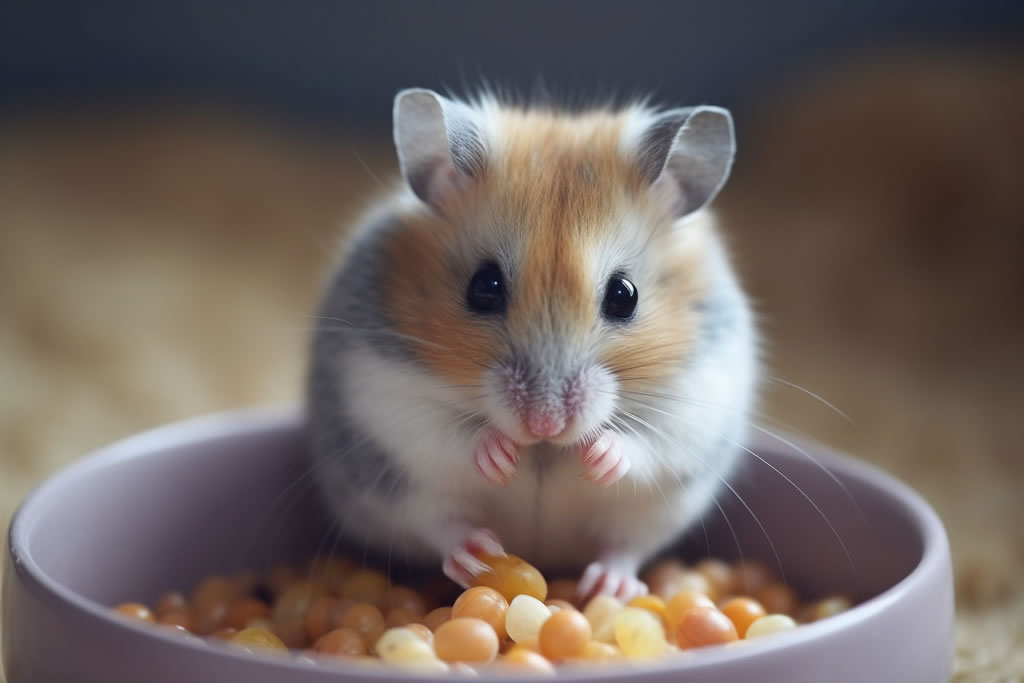
Mastering how to feed a baby hamster is a rewarding process that promotes their health and longevity. With attentive care, proper nutrition, and thoughtful observation, you can ensure your little hamster thrives and enjoys a comfortable life. Consistent dedication to their dietary needs will undoubtedly foster a happy and healthy pet for years to come.