Understanding how to brush hamster fur is essential for maintaining their health and comfort. Regular grooming not only keeps their coat clean and free of tangles but also provides an opportunity to monitor their overall well-being. Proper care can significantly enhance your hamster’s quality of life and prevent common fur-related issues.
This guide offers comprehensive insights into the tools, techniques, and best practices for gently and effectively brushing your hamster’s fur, ensuring a positive grooming experience for both pet and owner.
Introduction to Hamster Fur and the Importance of Grooming

Hamsters are beloved small pets renowned for their soft, dense fur that contributes significantly to their overall health and well-being. Proper grooming, particularly fur maintenance, plays a crucial role in ensuring their comfort and preventing potential health issues. Regularly inspecting and caring for a hamster’s coat not only enhances their appearance but also supports their physical health and emotional comfort.
Neglecting fur care can lead to a variety of problems, including skin infections, matting, and excessive shedding. Such issues may cause discomfort, irritation, and even more severe health complications if not addressed promptly. Therefore, understanding the significance of consistent grooming routines is essential for any responsible hamster owner.
Significance of Regular Fur Maintenance
Routine grooming helps to remove dirt, loose fur, and parasites that may reside on the hamster’s coat. Maintaining a clean and well-kept fur coat reduces the risk of skin infections and promotes a healthier environment for the animal. Additionally, regular grooming can alert owners to early signs of skin problems, such as redness, swelling, or unusual bald patches, enabling timely veterinary intervention.
Impact of Proper Brushing on Hamster Health and Comfort
Brushing a hamster’s fur encourages healthy skin circulation and distributes natural oils evenly across the coat, resulting in a shinier, softer appearance. It also prevents the formation of painful tangles or mats that can pull on the skin and cause discomfort. Proper grooming sessions can serve as valuable bonding moments, reducing stress for the hamster and fostering a trusting relationship with the owner.
Common Problems Caused by Neglecting Fur Care
Failure to regularly groom a hamster’s fur can lead to several health and hygiene issues, including:
- Matting and Tangles: Over time, loose fur can become tangled or matted, causing pain and restricting movement.
- Skin Infections: Dirt, bacteria, and parasites can accumulate, leading to infections if not cleaned and checked regularly.
- Excessive Shedding: Neglected fur may shed excessively, which can lead to hair ingestion during grooming and pose gastrointestinal risks.
- Discomfort and Stress: Discomfort caused by tangled fur or skin irritation can make hamsters anxious or less active, impacting their overall health and happiness.
Maintaining a clean and well-cared-for coat is essential for ensuring the physical comfort and health of your hamster, preventing common dermatological issues, and promoting a happy, stress-free life.
Tools and supplies needed for brushing hamster fur
Maintaining your hamster’s fur in pristine condition requires the right set of grooming tools. Selecting appropriate brushes and combs not only ensures effective grooming but also promotes your pet’s comfort and health. Proper tools help prevent matting, reduce shedding, and allow for thorough inspection of your hamster’s skin and fur, contributing to overall well-being.
When choosing grooming tools, it is essential to consider the hamster’s fur type, coat length, and individual sensitivities. Using unsuitable tools can cause discomfort or even skin irritation. Therefore, investing in high-quality, hamster-specific grooming supplies will make the process easier and more enjoyable for both you and your pet.
Essential brushes and combs suitable for hamsters
Hamsters have delicate skin and fine fur, requiring gentle yet effective grooming tools. The essential tools for brushing hamster fur include soft-bristled brushes, fine-toothed combs, and specialized grooming mitts. Each tool serves a specific purpose, from removing loose hair to detangling and inspecting the coat.
The selection of tools should be based on the hamster’s breed, fur length, and coat condition. For short-haired hamsters, a soft brush and fine-toothed comb might suffice, while long-haired breeds such as Syrian hamsters benefit from wider-toothed combs and gentle grooming brushes that prevent tangling and matting.
| Tool Name | Description | Recommended Usage |
|---|---|---|
| Soft-Bristled Brush | A small brush with gentle, flexible bristles designed to glide over delicate fur without causing discomfort. | Suitable for daily grooming and removing loose fur, especially in short-haired hamsters. |
| Fine-Toothed Comb | A narrow comb with fine teeth that can gently detangle fur and inspect skin for abnormalities. | Ideal for detangling long-haired hamsters and checking for parasites or skin issues. |
| Grooming Mitt | A soft, glove-like mitt with embedded bristles or fabric designed to lift loose hair and dirt. | Helpful for quick grooming sessions and maintaining fur cleanliness, especially in long-haired breeds. |
| Gentle Detangling Tool | A tool with flexible, rounded teeth designed to carefully loosen knots and mats. | Best used in conjunction with a comb to gently work through tangles without pulling fur. |
Note: Always choose tools with smooth, rounded edges to prevent scratching sensitive skin. Regularly inspect and replace grooming supplies to ensure they remain hygienic and effective.
Preparing the Hamster for Fur Brushing

Ensuring that your hamster is calm and comfortable prior to grooming is essential for a successful brushing session. Proper preparation minimizes stress for your pet and makes the process safer and more pleasant for both of you. Creating a peaceful environment, handling your hamster gently, and inspecting its fur thoroughly are key steps in this preparation phase.
By establishing a calm atmosphere and carefully assessing your hamster’s condition, you set the stage for effective grooming that promotes health and well-being. Taking these steps ensures that your hamster associates grooming with positive experiences, fostering trust and ease in future sessions.
Creating a Calm Environment
Establishing a tranquil setting is fundamental to reducing anxiety and stress during fur brushing. Hamsters are naturally sensitive creatures, and a noisy or chaotic environment can make them reluctant to cooperate. Choose a quiet room away from loud appliances, pets, or sudden movements. Soft, natural lighting and a comfortable temperature also contribute to a soothing atmosphere.
It is advisable to perform grooming sessions at regular times, such as after a light meal or during a period of activity when your hamster is naturally calmer. Keeping the environment predictable helps your pet feel secure and less prone to sudden movements or fear responses.
Gentle Handling and Securing the Hamster
Before beginning to brush, it is crucial to handle your hamster with care to prevent injury and minimize stress. Approach your pet calmly, speaking softly to reassure it. Gently scoop the hamster into your hands, supporting its body securely without squeezing, and avoid sudden movements that could startle it.
Using a soft towel or a small, non-slip surface can help secure the hamster during grooming. You may place the hamster on a flat, stable surface, gently wrapping it in a towel to prevent escape. Hold it firmly but gently around the body, ensuring that its limbs are supported. This approach provides a sense of security and helps prevent accidental falls or squirming that could lead to injury.
Handling your hamster with patience and gentleness fosters trust and cooperation, making grooming sessions safer and more effective.
Inspecting Fur and Skin Condition
Prior to brushing, a careful examination of your hamster’s fur and skin is essential to identify any issues that may require special attention. Look for signs of mats, dirt, or debris that can be removed through brushing. Pay close attention to areas where mats tend to form, such as behind the ears, around the neck, and along the back.
Inspect the skin for redness, irritation, dryness, or bald patches, which might indicate underlying health problems or parasite infestations. Detecting such issues early can lead to prompt veterinary care and prevent further complications. Handle your hamster gently during this process, ensuring it remains calm and comfortable while you conduct the inspection.
Regularly examining your hamster’s fur and skin promotes overall health and helps maintain a clean, comfortable coat, making grooming a more positive experience for your pet.
Proper Techniques for Brushing Hamster Fur

Brushing your hamster’s fur with the correct technique is essential for maintaining their coat health and ensuring their comfort during grooming sessions. Properly performed brushing not only removes loose fur and detangles mats but also helps prevent skin irritations and promotes a positive grooming experience for your pet. Understanding the right methods and applying gentle, consistent motions can make the process both effective and stress-free for your hamster.Effective fur brushing involves delicate handling and specific motions that minimize discomfort.
Hamsters have sensitive skin and fine fur, so aggressive or improper brushing can cause pain or skin damage. Using gentle, steady strokes ensures that the fur is cleaned thoroughly without irritating the skin or causing stress. Consistency in technique helps your hamster become accustomed to grooming, making future sessions easier and more pleasant.
Gentle Brushing Motions for Comfort and Effectiveness
In order to prevent discomfort and ensure a thorough cleaning, it is vital to adopt proper brushing motions. These motions should mimic natural grooming behaviors, focusing on gentle strokes that follow the direction of fur growth. Abrupt, pulling, or pressing too firmly can cause pain and discourage your hamster from cooperating.Use the tips of your brush or grooming tool to gently lift and work through the fur, avoiding aggressive tugging.
When encountering mats or tangles, patience is key. Always start at the tips of the fur and work your way towards the skin, gradually detangling without pulling on the hair or skin beneath. If your hamster shows signs of distress, pause and allow them to relax before continuing.
Step-by-Step Fur Care Procedure
To ensure a comprehensive grooming session, follow this structured approach:
- Prepare your workspace with all necessary tools within reach to minimize stress and disruptions.
- Gently handle your hamster, ensuring they are secure and comfortable before beginning.
- Start brushing from the head, moving slowly along the back, using light, continuous strokes to remove loose fur and dirt.
- Carefully work around sensitive areas such as the belly, legs, and tail with softer motions, respecting your hamster’s comfort.
- When encountering mats, gently hold the fur close to the skin with one hand to prevent pulling, then carefully work through the mat with a fine-tooth comb or grooming brush.
- Regularly check for loose fur or debris and remove it with gentle sweeping motions.
- Finish with a gentle overall brushing to smooth the coat and inspect for any skin issues or abnormalities.
Delicate Detangling and Loose Fur Removal Methods
Hamsters, especially those with longer fur, are prone to developing mats and tangles that require careful treatment. Improper handling can cause discomfort or skin injury, so it’s important to utilize gentle techniques designed for delicate detangling and loose fur removal.When faced with mats, hold the fur close to the skin using your fingers or a gentle grip to prevent pulling on the skin.
Use a fine-tooth comb or a specialized detangling tool, starting from the tips of the fur and gradually working upward towards the base. Work slowly and patiently, applying light pressure and frequently checking the hamster’s reaction to avoid causing stress.To remove loose fur effectively, employ soft, sweeping motions across the coat, ensuring that the fur is lifted away from the skin without pulling or tugging.
This not only maintains a clean and healthy coat but also reduces the risk of skin irritation or ingrown hairs. Regular grooming sessions, especially for long-haired hamsters, help prevent mats from forming and keep loose fur manageable.
Always prioritize gentle handling and patience—rushing can cause discomfort and reduce your hamster’s willingness to be groomed in the future.
Frequency of Brushing Based on Hamster Breed and Fur Type
Establishing an appropriate grooming schedule for your hamster’s fur is essential for maintaining their health, comfort, and hygiene. The frequency of brushing varies significantly depending on the breed and the type of fur they possess. Understanding these differences helps owners provide tailored care, preventing matting, skin issues, and discomfort.
Different hamster breeds have distinct fur characteristics that influence their grooming needs. While some breeds require minimal maintenance, others benefit from regular, more frequent brushing sessions to keep their coats clean and free of tangles. Recognizing these variations ensures optimal fur care and enhances the overall well-being of your pet.
Grooming Schedules for Different Hamster Breeds
The grooming routine for hamsters should be adapted based on their specific breed and fur type. Short-haired breeds tend to require less frequent brushing, as their fur naturally sheds and remains relatively tangle-free. Conversely, long-haired breeds necessitate more regular grooming to prevent matting, dirt accumulation, and skin irritation. The following comparison table Artikels recommended brushing frequencies for common hamster breeds:
| Breed | Fur Type | Recommended Frequency |
|---|---|---|
| Syrian Hamster | Short-haired | Once a week or as needed |
| Dwarf Hamster | Short-haired | Once a week or bi-weekly |
| Long-haired Syrian Hamster | Long-haired | 2-3 times weekly |
| Roborovski Hamster | Short-haired | Once a week |
| Campbell’s Dwarf Hamster | Short-haired | Once a week |
| Chinese Hamster | Short-haired | Once a week |
Regular grooming not only keeps your hamster comfortable but also provides an opportunity to check for skin abnormalities, parasites, or injuries that might otherwise go unnoticed. Adjustments to the grooming schedule may be necessary based on your hamster’s health, age, and living environment.
Comparison of Short-haired and Long-haired Hamsters
Understanding the differences between short-haired and long-haired hamsters in terms of grooming needs helps owners plan and execute effective grooming routines. The primary considerations involve the length and texture of the fur, which directly influence the frequency and techniques required for proper care.
Short-haired hamsters have fur that is close to the skin, making it less prone to matting and dirt accumulation. They generally require only weekly brushing, which helps remove loose fur and stimulates skin health. These hamsters tend to be easier to care for in terms of grooming, making them suitable for owners seeking a lower-maintenance pet.
Long-haired hamsters, such as the long-haired Syrian breed, possess flowing, dense coats that can easily become tangled, matted, or dirty if not groomed regularly. They require more frequent brushing—often two to three times per week—to prevent these issues, and sometimes even daily brushing may be necessary during shedding seasons. Regular grooming sessions also allow owners to check the condition of the fur and skin more closely, ensuring early detection of potential health problems.
Addressing Common Fur Issues During Brushing
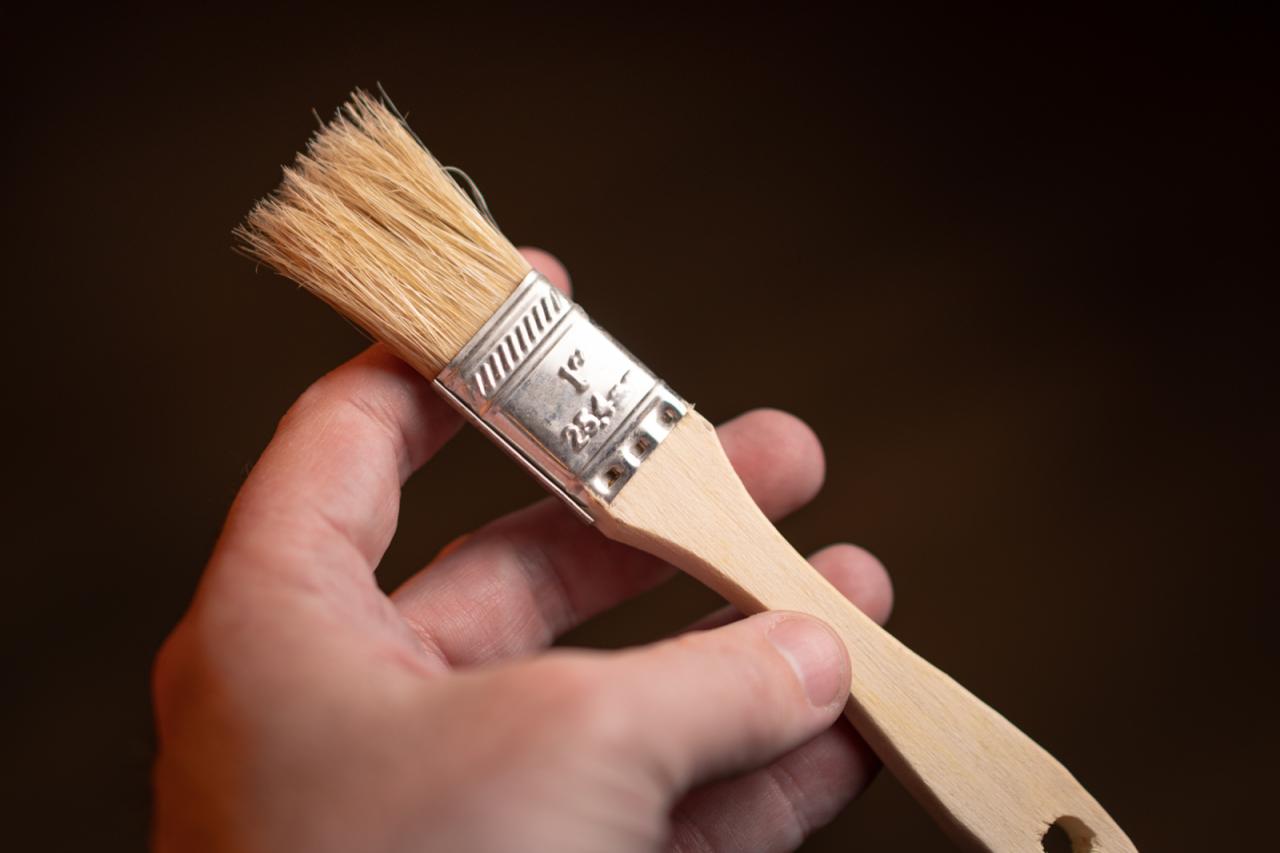
Proper handling of fur issues is essential to ensure your hamster remains comfortable and healthy throughout grooming sessions. Fur problems such as mats, tangles, skin irritations, or infestations require attentive care and appropriate responses to maintain your pet’s well-being. Recognizing these issues early and applying suitable methods can prevent discomfort and potential health complications for your hamster.Mats and tangles are common problems in hamsters with long or dense fur, especially if grooming has been infrequent.
These can cause discomfort, restrict movement, and increase the risk of skin infections if left untreated. Skin irritations may manifest as redness, itching, or hair loss, often indicating underlying issues such as parasites, allergies, or infections. Parasites like mites or fleas can cause severe discomfort, leading to scratching, hair loss, and skin inflammation. Detecting these signs promptly is crucial for effective treatment and preventing further health deterioration.
Dealing with Mats and Tangles Effectively
Handling mats and tangles requires patience and gentle techniques to avoid causing pain or stress to your hamster. Start by choosing the appropriate grooming tools, such as a soft-bristled brush or a fine-toothed comb designed for small animals. Carefully inspect the fur to locate the most affected areas, then proceed with gentle, slow strokes to loosen the mats. For stubborn mats, it may be necessary to gently cut the fur with blunt-tipped scissors, taking care not to cut the skin.
Regular brushing prevents the formation of mats by maintaining smooth and untangled fur, especially in long-haired breeds or hamsters that are prone to fur matting.
Identifying Signs of Skin Irritation or Parasites
Monitoring your hamster’s skin condition is vital to detect any signs of irritation or parasitic infestation. Common indicators include excessive scratching, hair loss, redness, swelling, scabs, or crusty patches. Parasites such as mites often cause intense itching, leading to fur thinning, especially around the ears, face, or hindquarters. Fleas or other external parasites may be visible as small dark specks moving on the fur or skin.
If you notice any of these symptoms, it is essential to act swiftly. Using safe topical treatments recommended by a veterinarian or medicated shampoos formulated for small animals can help eliminate parasites and soothe irritated skin.
When to Seek Veterinary Help for Fur-Related Problems
While minor fur issues can often be managed at home, certain situations necessitate professional veterinary intervention. Persistent or worsening signs of skin irritation, such as continuous redness, swelling, or bleeding, require prompt veterinary attention. If your hamster exhibits signs of severe itching, hair loss beyond typical grooming, discharges, or if external parasites are suspected but unresponsive to over-the-counter treatments, consulting a veterinarian with experience in small mammal health is crucial.
A veterinarian can perform thorough examinations, diagnose underlying conditions, and recommend appropriate treatments to ensure your hamster’s health and comfort are restored effectively.
Safety Precautions and Common Mistakes to Avoid
Proper grooming of a hamster’s fur requires not only skill but also careful attention to safety to ensure a positive experience for both the pet and the owner. Gentle handling and awareness of potential pitfalls are essential to prevent discomfort, injury, or stress to the hamster during the brushing process. Recognizing common errors and implementing safety measures can significantly improve the effectiveness of grooming sessions while maintaining the hamster’s wellbeing.Handling a hamster gently during fur brushing is crucial to avoid causing stress or accidental injury.
Hamsters are delicate creatures, and rough handling can lead to bites, scratches, or even fearful behavior that hampers future grooming efforts. Ensuring that the hamster is calm, secure, and supported throughout the process helps foster trust and reduces the risk of sudden movements that could result in harm. It is important to approach grooming with patience and to handle the hamster with both hands, supporting its body properly without applying excessive pressure.Using brushes and tools with care is vital to prevent injury and discomfort.
The brushes should be specifically designed for small pets, with soft bristles that do not scratch or tug at the fur. When using scissors or trimming tools for mats or excessive fur, sharp blades should be handled with extreme caution, and trimming should be done carefully to avoid cutting the skin or pulling fur excessively. Regular inspection of grooming tools ensures they are clean and in good condition, reducing the risk of infection or injury.Common mistakes during fur grooming often stem from a lack of awareness or rushing through the process.
These errors can include pulling on the fur, which may cause pain and stress, or using excessive force when brushing, leading to skin irritation. Other frequent mistakes involve neglecting to check the hamster’s skin and fur for signs of issues such as parasites, wounds, or skin infections before grooming. Preventing these errors involves adopting gentle handling techniques, using appropriate tools, and maintaining a calm environment during grooming sessions.
Gentle Handling and Avoiding Fur Pulling
Hamsters should be handled with gentle, supportive movements to minimize stress. Always approach slowly and speak softly to reassure the animal before beginning grooming. When brushing, use light, gentle strokes to detangle fur without pulling, and be attentive to any signs of discomfort or resistance from the hamster. If fur becomes matted or tangled, work patiently to untangle it with a wide-tooth comb or your fingers, rather than forcing the brush through the fur.
Recognizing when a knot is too tight and seeking professional help if necessary can prevent pain and fur loss.
Safety Measures When Using Brushes and Tools
Select grooming tools specifically designed for small, sensitive pets, such as soft-bristled brushes or fine-toothed combs. Before each grooming session, inspect tools for any damage or debris that could harm the hamster. When trimming fur, use sharp, sanitized scissors and cut conservatively to avoid nicking the skin or creating uneven patches. Always keep grooming tools within easy reach to avoid sudden movements that could cause injury.
Providing a calm, quiet environment reduces stress and allows for safer, more controlled grooming.
Common Errors and Prevention Strategies
Many grooming mishaps occur due to haste or lack of preparation. Rushing through fur brushing can increase the likelihood of pulling fur or hurting the hamster. Prevent this by establishing a routine and dedicating sufficient time for each session. Neglecting to check for skin issues beforehand can result in exacerbating problems. Regularly examine the fur and skin for signs of irritation, parasites, or wounds, and address these issues separately from grooming.
Additionally, avoid using human grooming products or tools not intended for small pets, as these can be harmful or irritating to the hamster’s sensitive skin.
Always prioritize the hamster’s comfort and safety during grooming to foster trust and ensure a positive grooming experience.
Final Review
In conclusion, mastering how to brush hamster fur is a valuable component of responsible pet ownership. With proper tools, techniques, and consistent care, you can help keep your hamster healthy, comfortable, and happy. Remember that patience and gentle handling are key to making grooming a rewarding experience for your furry friend.