Learning how to bond with a hamster is a rewarding journey that fosters trust and companionship between you and your tiny pet. Establishing a strong bond requires patience, understanding, and gentle interactions, which are essential for creating a safe and affectionate environment.
This process involves understanding hamster behaviors, creating a comfortable habitat, and employing positive reinforcement techniques. By dedicating time and care, you can develop a meaningful relationship that benefits both you and your furry friend.
Understanding Hamster Behavior and Temperament
Developing a bond with a hamster begins with a clear understanding of its natural behaviors and personality traits. Recognizing how hamsters communicate through body language and signals is essential for building trust and ensuring a positive interaction experience. Each hamster has a unique temperament that influences how it perceives and responds to human contact, making awareness of these behaviors crucial for successful bonding.
By observing common behaviors and body language cues, pet owners can better interpret a hamster’s mood and intentions. This understanding helps in tailoring interactions that are both respectful and reassuring to the small mammal, ultimately fostering a stronger and more trusting relationship.
Common Hamster Behaviors and Their Relation to Bonding Efforts
Hamsters display a variety of behaviors that reflect their comfort level, curiosity, or stress. Recognizing these behaviors allows owners to gauge when the hamster is receptive to socialization or when it needs space. For instance, a hamster that approaches a new toy or human hand with interest is likely open to interaction, while a hamster that huddles in a corner or attempts to escape may be feeling threatened or anxious.
Understanding these behavioral cues can guide pet owners in adjusting their approach, such as gradually increasing handling time or providing secure hiding spots, to promote a sense of safety and ease in the hamster’s environment.
Interpreting Hamster Body Language and Signals
Hamsters communicate primarily through body language, and learning to interpret these signals is key to effective bonding. Here are some common signs and their meanings:
- Active and curious behavior: The hamster explores its surroundings, sniffs, and approaches new objects or people, indicating comfort and interest.
- Relaxed posture: Sitting with paws tucked under or lying on its side suggests the hamster feels safe and at ease.
- Hissing or teeth chattering: Defensive signals often accompanied by a stiff body or raised fur, indicating fear or aggression.
- Freezing or stillness: A sign of stress or discomfort; the hamster may be assessing potential threats.
- Rapid movement or biting: Signs of agitation or alarm, often caused by sudden handling or unfamiliar stimuli.
Understanding these signals helps in creating a safe environment, allowing the owner to respond appropriately and avoid escalating stress or aggression.
Behavioral Traits: Friendly vs. Aggressive Signs
Distinguishing between friendly and aggressive behaviors is fundamental for fostering a trusting relationship with a hamster. The following table summarizes key behavioral traits:
| Friendly Signs | Aggressive Signs |
|---|---|
| Approaching and sniffing hands | Hissing or growling when approached |
| Willingness to be touched or held | Biting or nipping when handled |
| Active exploration and curiosity | Constant pacing or hiding |
| Relaxed posture and grooming in presence of owner | Stiff body, puffed fur, or raised hackles |
| Vocalizations like soft squeaks indicating contentment | Repeated chattering or harsh squeaks signaling distress |
Note: Recognizing these behavioral signs early helps in adjusting your approach, ensuring interactions are positive and safe for both you and your hamster.
Creating a Safe and Comfortable Environment for Bonding
Establishing a secure and inviting habitat is fundamental to fostering a strong bond with your hamster. A well-designed environment not only ensures your pet’s physical safety but also encourages natural behaviors that facilitate trust and interaction. When the habitat is conducive to exploration and comfort, the hamster becomes more receptive to socialization and bonding activities.
Careful attention to enclosure setup, bedding selection, and enrichment items plays a vital role in creating an atmosphere where your hamster feels relaxed and secure. This foundation sets the stage for positive experiences and deeper connections between you and your furry companion.
Setting Up a Clean, Enriching Hamster Enclosure
Maintaining cleanliness and providing stimulating features within the enclosure are key elements in promoting health and engagement. Regular cleaning prevents the buildup of waste and bacteria, while enriching features stimulate natural instincts such as foraging and climbing. A thoughtfully arranged habitat supports your hamster’s well-being and encourages comfortable interactions.
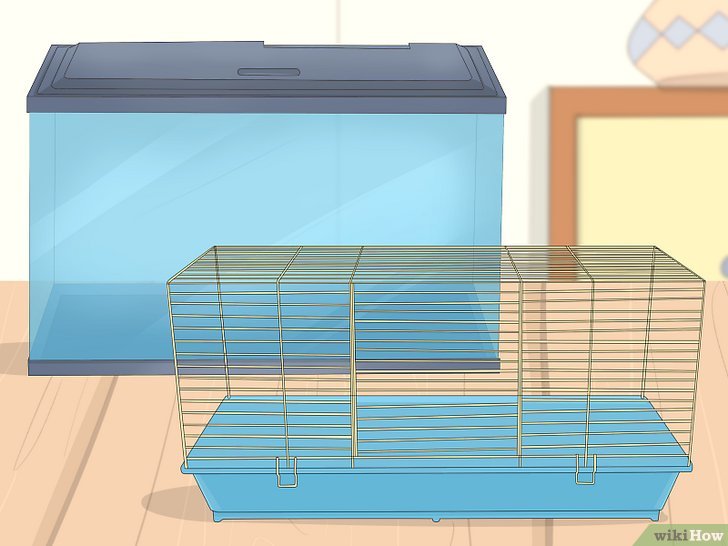
- Choose a spacious cage made from safe, non-toxic materials that allow ample movement. The size should meet or exceed recommended standards—generally a minimum of 450 square inches of floor space for dwarf hamsters and larger for Syrian hamsters.
- Position the enclosure in a quiet, draft-free area with consistent temperature and minimal direct sunlight. Avoid placing the cage near loud appliances or windows with frequent glare.
- Implement a routine cleaning schedule—spot clean daily to remove waste and uneaten food, and perform a full clean with mild, hamster-safe disinfectant weekly to maintain hygiene without disrupting the environment’s stability.
Selecting Appropriate Bedding, Toys, and Hiding Spots
Choosing suitable bedding materials and enrichment items is essential for creating an engaging and secure habitat. These components promote natural behaviors like burrowing, foraging, and hiding, which are critical for mental and physical health. Proper selection also helps in reducing stress and fostering a sense of safety.
Opt for bedding that is dust-free, absorbent, and safe for hamsters, such as paper-based or aspen shavings, avoiding cedar or pine due to potential respiratory issues.
- Bedding: Use a layer of 1-2 inches of quality bedding that allows for burrowing and odor control. Change bedding regularly to maintain cleanliness and prevent mold or bacteria growth.
- Toys: Provide chew toys made from safe materials like untreated wood or cardboard to promote dental health. Include wheels or running balls for exercise, ensuring they are appropriately sized and secure.
- Hiding Spots: Incorporate small houses, tunnels, or hideouts that allow your hamster to retreat and feel secure. Materials should be non-toxic, easy to clean, and proportionate to the hamster’s size.
Ideal Habitat Components
| Component | Description |
|---|---|
| Enclosure | A spacious, secure cage made from wire and plastic or glass, providing good ventilation and visibility. Must meet size recommendations for the specific breed. |
| Bedding Material | Absorbent, dust-free, and safe bedding such as shredded paper or aspen shavings, facilitating burrowing and odor control. |
| Hiding Spots | Small enclosed structures like wooden houses or tunnels that offer safety and privacy, reducing stress and encouraging natural hiding behaviors. |
| Toys and Enrichment | Items such as chew toys, exercise wheels, and climbing accessories that stimulate mental and physical activity, preventing boredom. |
| Food and Water Dispensers | Secure, hygienic containers to ensure consistent access to fresh water and proper diet, encouraging healthy eating habits. |
| Climbing Structures | Branches, ladders, or platforms to promote activity and muscle development, mimicking natural environments. |
Establishing Trust Through Gentle Handling

Building a trusting relationship with your hamster is essential for safe and enjoyable interactions. Gentle handling is the cornerstone of this process, as it helps your hamster feel secure and reduces stress during bonding activities. The goal is to create a positive association with human contact, encouraging your hamster to approach and interact willingly.
Gradual introduction and consistent, calm handling are key strategies that promote trust. Over time, your hamster will become more comfortable with your touch and presence, laying the foundation for a strong and affectionate bond.
Methods for Gradually Introducing Your Hand to a Hamster to Foster Trust
Introducing your hand to a hamster requires patience and a gentle approach. The process should be slow, respecting your hamster’s comfort level and avoiding sudden movements that could startle it. Begin by placing your hand near the cage, allowing the hamster to observe and become familiar with your scent without direct contact. This initial step helps reduce any feelings of threat or unfamiliarity.
Over several sessions, slowly extend your finger or hand into the cage, encouraging your hamster to sniff or investigate. Avoid forcing interaction; instead, allow the hamster to approach at its own pace. Using treats or favorite foods can serve as positive reinforcement during this process, reinforcing that your presence is associated with pleasant experiences.
Best Practices for Picking Up and Holding a Hamster Without Causing Stress
Handling your hamster correctly is vital to ensure its safety and comfort, while also fostering trust. Always approach calmly and gently, speaking softly to reassure your pet. When lifting your hamster, support its body fully, particularly its chest and hindquarters, to prevent injury or discomfort. Use both hands if necessary, especially with larger or more active hamsters.
To minimize stress, avoid sudden movements or grabbing your hamster abruptly. Instead, scoop it gently with your hands, closing around it softly to prevent escape. Once lifted, hold the hamster close to your body to provide a sense of security. Keeping handling sessions brief initially will help your hamster gradually become accustomed to being handled regularly without feeling overwhelmed.
Dos and Don’ts in Handling a Hamster
Proper handling techniques are essential for creating a positive experience for your hamster and ensuring safety for both of you. Consider the following guidelines:
- Do: Approach your hamster calmly and speak softly to reduce anxiety.
- Do: Support its body fully, especially the chest and hindquarters, when lifting.
- Do: Use treats and positive reinforcement to encourage cooperative behavior.
- Do: Handle your hamster frequently but for short durations to build trust gradually.
- Don’t: Make abrupt or quick movements that may startle your hamster.
- Don’t: Grab or squeeze the hamster tightly, which can cause discomfort or injury.
- Don’t: Handle your hamster immediately after feeding or during stressful times, such as when it’s newly introduced to the cage environment.
- Don’t: Leave your hamster unattended on high surfaces or in open areas where it might fall or escape.
Consistency, patience, and gentle touch are essential in establishing a trusting and enjoyable relationship with your hamster.
Building Routine and Consistency in Interaction
Establishing a consistent routine in bonding activities with your hamster is vital for fostering trust and creating a predictable environment. Hamsters, like many small animals, thrive on routine because it reduces stress and helps them feel secure. Regular interactions help both owner and pet develop a deeper connection, ensuring the hamster feels safe and comfortable during your engagement.
Incorporating predictable schedules into your daily routine allows the hamster to anticipate interaction times, which can lead to a calmer and more receptive temperament. Consistency not only enhances bonding but also facilitates easier handling and socialization over time. Developing a structured approach to daily interactions ensures that your hamster remains engaged without feeling overwhelmed or anxious.
Sample Daily Bonding Schedule with Activities and Durations
Creating a daily schedule for interaction sessions helps maintain consistency and maximizes bonding opportunities. Here is a sample schedule designed to balance play, handling, and rest, ensuring your hamster remains comfortable and well-adjusted:
- Morning Playtime — 10 minutes: Engage in gentle exploration outside the cage, allowing supervised free-roaming in a secure area.
- Midday Handling — 5 minutes: Offer gentle, brief handling sessions, focusing on calm interaction to build trust.
- Evening Bonding Session — 15 minutes: Spend quality time in the cage or a designated play area, offering toys and enriching activities.
- Pre-Bedtime Check — 5 minutes: Light interaction such as gentle petting or speaking softly to establish a calming routine before rest.
Adjustments can be made based on the hamster’s temperament, age, and activity levels, but maintaining a consistent daily pattern helps reinforce positive associations and stability.
Comparison of Bonding Activities and Their Benefits
Different activities serve various purposes in the bonding process. Understanding their benefits helps tailor an effective interaction routine suited to your hamster’s needs and personality. Below is a comparison table highlighting common bonding activities and their specific advantages:
| Activity | Purpose | Benefits |
|---|---|---|
| Gentle Handling | Building trust through direct contact | Reduces fear, enhances socialization, improves ease of handling |
| Interactive Play with Toys | Stimulating mental and physical activity | Prevents boredom, encourages natural behaviors, strengthens bond |
| Out-of-Cage Exploration | Providing enrichment and social interaction | Builds confidence, promotes curiosity, increases comfort outside the cage |
| Soft Voice and Calm Communication | Creating a soothing environment | Reinforces safety, promotes emotional connection, reduces stress |
| Feeding Treats by Hand | Establishing positive associations | Strengthens trust, encourages gentle approach, enhances bonding |
Consistent, varied activities tailored to your hamster’s preferences foster a healthy bond and a confident, well-adjusted pet.
Using Positive Reinforcement to Strengthen Bond

Establishing a strong, trusting relationship with your hamster is essential for their well-being and your mutual enjoyment. One of the most effective methods to foster this bond is through positive reinforcement, which encourages desired behaviors and promotes trust. By rewarding your hamster during interactions, you create a positive association with your presence and handling, making future bonding experiences more rewarding and less stressful for both of you.Positive reinforcement involves offering tangible treats, verbal praise, or gentle petting immediately after your hamster exhibits calm or friendly behavior.
Consistently applying these rewards helps your hamster associate your touch and presence with positive outcomes, gradually encouraging more confident and relaxed interactions. Over time, this approach builds a foundation of trust, making your hamster more receptive to handling and socialization.
Rewarding Hamsters During Interaction
Rewarding your hamster effectively requires understanding what motivates them and doing so at the right moment. Timing is crucial; treats or praise should be given immediately after the desired behavior to reinforce the connection. Using a calm voice and gentle gestures enhances the positive experience, reinforcing feelings of safety and trust.Safe treats are small, nutrient-rich, and compatible with hamsters’ dietary needs.
Examples include tiny pieces of fresh fruit such as apple slices, small portions of cooked plain oats, or commercial hamster treats that are free from added sugars or artificial ingredients. Verbal praise can include soft, encouraging words like “good boy” or “well done,” delivered in a gentle tone that reassures your hamster.
Rewarding your hamster with a combination of treats and praise during calm, positive interactions helps reinforce trust and encourages continued friendly behavior.
Reinforcement Strategies for Bonding
Implementing a variety of reinforcement techniques can further strengthen your bond with your hamster and make interactions more enjoyable for both of you. Consistency and patience are key to success with these strategies:
- Immediate Rewards: Offer treats or praise right after your hamster exhibits calm or friendly behavior to establish a clear connection.
- Varied Treats: Use a selection of treats to keep your hamster interested and motivated, rotating flavors to prevent boredom.
- Verbal Affirmation: Use gentle, encouraging words during handling to create a soothing environment and reinforce positive associations.
- Gentle Physical Contact: Praise with light stroking or gently petting immediately following positive behavior to promote comfort with handling.
- Progressive Challenges: Gradually introduce new handling routines or environments, rewarding calmness and curiosity to build confidence.
- Short, Regular Sessions: Keep interactions brief but frequent, always ending on a positive note with rewards to foster anticipation and trust.
Engaging Hamsters with Play and Enrichment
Providing opportunities for play and enrichment is essential for fostering a strong bond with your hamster. Active engagement not only stimulates your pet’s natural curiosity and instincts but also builds trust and companionship. Carefully selected toys and activities create enjoyable experiences that reinforce positive interactions, encouraging your hamster to see you as a source of fun and comfort.
Creating a variety of play and enrichment options can help prevent boredom, promote healthy behaviors, and deepen your connection. It is crucial to introduce new items thoughtfully, ensuring your hamster feels safe and eager to explore rather than frightened or overwhelmed. The right setup and gradual introduction of toys make playtime a rewarding part of your bonding routine.
Varieties of Toys and Activities for Playful Bonding
Hamsters are naturally curious and love to explore, chew, and run. Offering a diverse range of toys and activities allows them to engage in behaviors that mimic their natural instincts while providing opportunities for interaction with their owner. Incorporating different textures, shapes, and interactive elements ensures a stimulating environment that keeps your hamster engaged and happy.
- Tunnels and Hideouts: Hamsters enjoy exploring tunnels and hiding spaces that mimic burrows. These encourage natural digging and hiding behaviors.
- Exercise Wheels: A secure, properly sized wheel promotes physical activity and helps prevent obesity. Ensure it has a solid surface to avoid injury.
- Chew Toys: Natural wood or mineral-based chew toys help maintain dental health and satisfy the hamster’s natural urge to gnaw.
- Climbing Structures: Small ladders, platforms, and climbing bars stimulate physical activity and coordination.
- Foraging Toys: Puzzle feeders and treat balls encourage mental stimulation and mimic foraging behaviors.
Activities should be varied and introduced gradually to sustain your hamster’s interest and reduce stress. Offering new toys one at a time allows your pet to familiarize themselves comfortably, preventing fear or rejection of unfamiliar items.
Introducing New Items Gradually to Prevent Fear
Hamsters can be naturally cautious of new objects or environments, especially if introduced abruptly. To ensure positive experiences, it is vital to introduce new toys and enrichment items gradually and patiently. This approach helps your hamster associate new objects with positive outcomes and reduces anxiety or defensive behaviors.
- Start with a brief introduction by placing the new item near your hamster’s existing habitat, allowing them to observe it from a safe distance.
- Gradually move the toy closer over several days, ensuring your hamster remains calm and curious rather than fearful.
- Use positive reinforcement such as gentle praise or a small treat when your hamster approaches or interacts with the new item.
- Observe your hamster’s reactions closely, and if signs of fear or stress appear, pause the introduction and try again after a day or two.
Patience and consistency are key in helping your hamster develop comfort and familiarity with new enrichment items, making playtime both safe and enjoyable.
Play Area Setup with Recommended Items
A well-designed play area enhances your hamster’s experience by providing a safe and engaging environment for exploration and activity. The setup should include items that stimulate physical movement, mental engagement, and natural behaviors, all within a secure space where you can supervise interactions.
| Item | Description and Purpose |
|---|---|
| Secure Play Pen or Enclosure | A plastic or wire play area that prevents escape, offering ample space for movement and exploration without hazards. |
| Variety of Tunnels and Hideouts | Different sizes and shapes of tunnels made from safe materials, encouraging exploration and providing hiding spots for comfort. |
| Chew Toys and Climbing Structures | Wooden chews, small ladders, and climbing bars to promote physical activity and dental health. |
| Exercise Wheel | Properly sized with a solid running surface, ensuring safe exercise and preventing injury. |
| Foraging and Puzzle Toys | Interactive toys that hide treats, stimulating mental activity and natural foraging instincts. |
| Soft Bedding and Substrate | Comfortable flooring material that is easy to clean and safe for digging and burrowing activities. |
Arrange these items thoughtfully, allowing enough space for your hamster to move freely and explore confidently. Regularly rotate or update the toys to keep the environment stimulating and engaging, fostering ongoing interest and strengthening the bond during play sessions.
Troubleshooting Common Bonding Challenges
Building a trusting relationship with a hamster can sometimes present unexpected challenges, such as fear, aggression, or disinterest. Understanding these common issues is essential to developing effective strategies that foster a positive and safe bonding experience. Recognizing the root causes of these behaviors allows for tailored approaches that cater to each hamster’s unique temperament and needs, ensuring the process remains stress-free and rewarding for both pet and owner.
Hamsters are sensitive creatures whose responses depend on their individual personalities, past experiences, and environmental factors. When faced with bonding difficulties, it is important to approach the situation with patience, adaptability, and a willingness to modify techniques. This section provides practical steps to address common challenges, along with methods to soothe a distressed hamster during interaction, facilitating a more harmonious bonding journey.
Addressing Fear, Aggression, and Disinterest
Encountering issues such as fear, aggression, or disinterest during bonding sessions is common, especially with hamsters that have had limited socialization or negative past experiences. These behaviors often stem from stress, environmental stimuli, or a lack of familiarity. Recognizing these signs early and responding appropriately can dramatically improve the chances of establishing trust.
Begin by observing your hamster’s body language: tense posture, rapidly flicking paws, or attempts to retreat indicate discomfort or fear. In cases of aggression, such as biting or lunging, it’s vital to de-escalate the situation by reducing handling intensity or giving the hamster space to recover. Disinterest may manifest as indifference or avoidance behavior, suggesting that the hamster needs more gradual or different engagement methods.
Patience and gentle persistence are key; forcing interaction can heighten fear and hinder bonding progress.
Steps to Modify Bonding Approaches
Adjusting your techniques based on your hamster’s responses can significantly enhance bonding efforts. The following steps help create a more positive experience, especially when facing challenges:
- Reduce the intensity of interactions, offering more frequent but shorter sessions to prevent overwhelming the hamster.
- Respect your hamster’s cues; if signs of distress are evident, pause the session and allow the hamster to regain composure.
- Introduce familiar and calming stimuli, such as soft bedding or a familiar scent, to create a sense of security.
- Gradually reintroduce socialization through non-invasive activities, like placing treats near the cage or allowing supervised, quiet exploration outside the cage.
- Utilize soft, soothing voices and slow movements to communicate calmness and trustworthiness.
Consistency and positive reinforcement are essential. When your hamster exhibits calm behavior or approaches you voluntarily, reward with treats or gentle petting to reinforce positive associations.
Methods to Calm a Distressed Hamster During Interaction
When a hamster becomes visibly distressed during bonding or handling, employing calming techniques can help soothe and reassure the pet. These methods aim to reduce anxiety and promote a sense of safety:
- Speak softly in a gentle tone to reassure the hamster and create a calming auditory environment.
- Maintain a slow, deliberate movement to avoid startling the hamster further, especially when it shows signs of panic.
- Allow the hamster to retreat to a hiding spot or your cupped hands, giving it space to feel secure.
- Use familiar scents, such as a piece of cloth with a familiar smell, to comfort the hamster during handling.
- Apply a gentle, consistent pressure with your hands or a soft cloth to mimic the feeling of being in a burrow, which can be soothing.
- Limit handling sessions if the hamster remains highly agitated, and gradually reintroduce interaction once it appears calmer.
Ensuring a quiet, calm environment and maintaining patience are crucial when soothing distressed hamsters. Recognizing early signs of stress and acting promptly can prevent further agitation and build a foundation of trust for future interactions.
Outcome Summary
In conclusion, building a bond with your hamster is a gradual but fulfilling endeavor that enhances your pet’s well-being and your shared experiences. Consistent, gentle, and positive interactions lay the foundation for a trusting and joyful relationship, making your hamster’s world more comfortable and engaging.