Learning how to set up a multi-level hamster cage is essential for providing a stimulating and safe environment for your pet. Such arrangements maximize space efficiency while offering various levels for exercise, exploration, and comfort, promoting overall well-being. Proper planning and assembly are key to creating a cage that is both functional and engaging for your hamster.
This guide covers everything from selecting suitable cage designs and materials to detailed assembly steps and enrichment ideas, ensuring your hamster enjoys a safe and enriching habitat tailored to their needs.
Overview of Multi-Level Hamster Cages
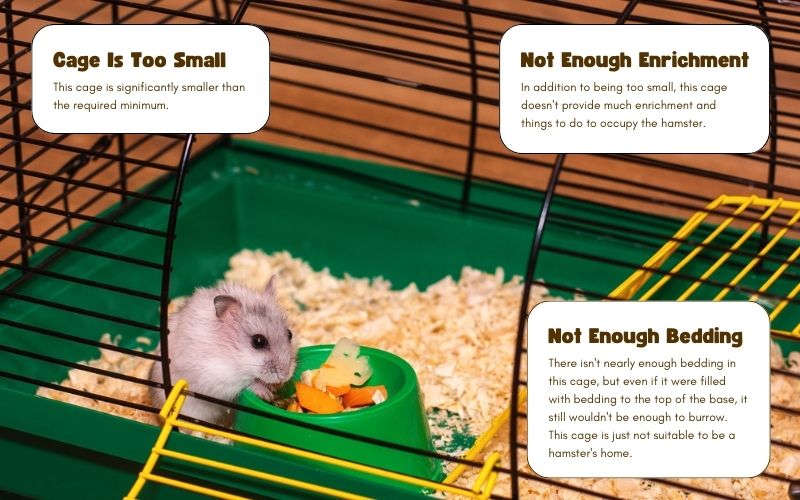
Multi-level hamster cages are an innovative and practical solution designed to enhance the living environment of hamsters while maximizing space efficiency. These cages incorporate multiple tiers or levels, providing hamsters with more area to explore, exercise, and engage in natural behaviors. Their design not only optimizes limited space in homes or apartments but also offers enriched habitats that promote the physical and mental well-being of these small pets.
Different types of multi-level cage designs cater to various hamster species, taking into account their size, activity level, and habitat preferences. Some cages feature vertical tunnels, platforms, ramps, or interconnected compartments, each offering unique benefits. Choosing the appropriate design ensures your hamster enjoys a stimulating environment that mimics their natural habitat while keeping maintenance manageable.
Benefits of Multi-Level Hamster Cages
Implementing multi-level cages provides significant advantages for both hamsters and their owners. These benefits include:
- Space Efficiency: Multi-tiered structures make optimal use of vertical space, allowing for a larger and more complex habitat within a compact footprint. This is especially valuable for owners with limited living space.
- Environmental Enrichment: Multiple levels and interconnected platforms encourage natural behaviors such as climbing, exploring, and foraging, reducing boredom and stress.
- Stimulating Exercise: Ramps, tunnels, and vertical pathways promote physical activity, which is vital for maintaining a healthy weight and preventing obesity-related issues.
- Customization and Variety: The modular nature of many multi-level cages allows for customization, adapting to the specific needs of different hamster species and individual preferences.
Types of Multi-Level Cage Designs for Hamsters
Multiple design options are available to suit diverse hamster breeds, ranging from small Syrian hamsters to smaller dwarf species. Each design enhances habitat complexity and facilitates natural behaviors.
- Vertical Tower Cages: These cages are tall structures with multiple floors connected by ramps or ladders. They are ideal for dwarf hamsters and robo hamsters, offering extensive climbing opportunities in a confined footprint.
- Connectable Modular Cages: These systems consist of separate units that can be linked via tunnels or tubes. They enable expansion and customization, providing varied environments for hamsters that enjoy tunneling and exploration.
- Terrarium-Style Multi-Levels: Glass or acrylic vivarium setups with built-in platforms, ramps, and tunnels that resemble natural habitats. Suitable for hamsters that thrive in more naturalistic settings and require visual stimulation.
- Habitat with Integrated Accessories: Cages featuring built-in features like exercise wheels, nesting areas, and feeding stations on different levels, promoting activity and convenience for owners.
Comparison Table of Popular Multi-Level Hamster Cages
Understanding the features, sizes, and materials of various multi-level cages helps in selecting the most suitable habitat for your hamster. The table below compares some of the most popular options based on key attributes:
| Model | Design Type | Dimensions (L x W x H) | Number of Levels | Material | Suitable Hamster Species | Additional Features |
|---|---|---|---|---|---|---|
| Habitrail OVO | Vertical Tower | 16 x 16 x 18 inches | 3 | Plastic | Dwarf Hamsters, Robo Hamsters | Connectable tunnels, clear viewing panels |
| Expedior Hamster Habitat | Modular Connectable | 20 x 10 x 12 inches | 4 | Plastic/Metal | Syrian and Dwarf Hamsters | Expandable, includes accessories |
| Living World Second Floor | Terrarium-Style | 24 x 12 x 16 inches | 2 | Glass/Acrylic | Syrian Hamsters | Naturalistic design, easy to clean |
| CritterTrail Multi-Level Habitat | Connectable Modular | Varies | Multiple levels (up to 5) | Plastic | Dwarf and Roborovski Hamsters | Interconnecting tunnels, removable platforms |
This overview highlights the versatility and functional advantages of multi-level hamster cages, enabling owners to select the best habitat tailored to their hamster’s needs and available space.
Planning and Designing a Multi-Level Hamster Cage
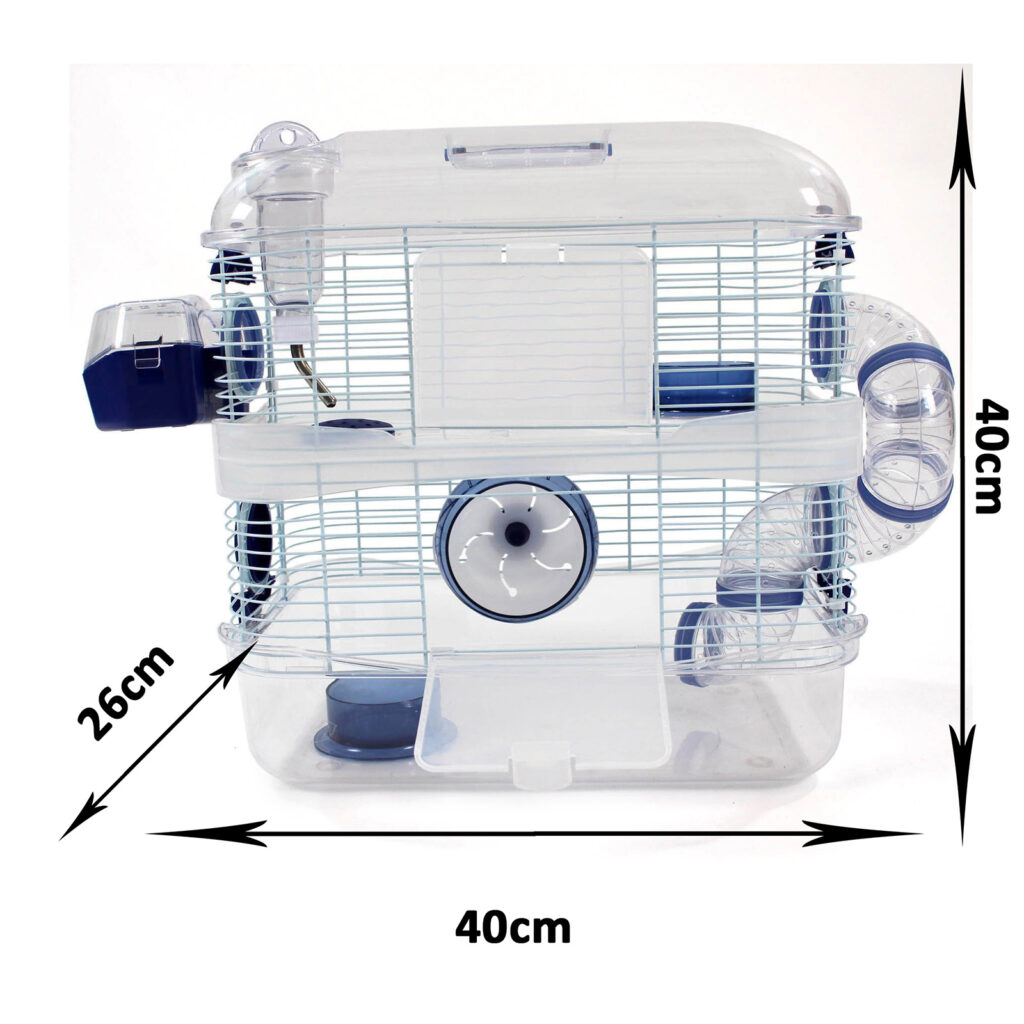
Creating an effective multi-level hamster cage requires careful planning and thoughtful design to ensure the safety, comfort, and enrichment of your pet. Proper planning involves selecting appropriate dimensions, understanding the unique needs of your hamster breed, and designing a layout that maximizes space utilization while promoting healthy activity patterns. This stage is crucial to develop a cage that is both functional and engaging, fostering a stimulating environment for your hamster’s well-being.
In this section, we will explore essential guidelines for choosing suitable cage dimensions based on breed-specific requirements, Artikel systematic steps to sketch and plan the structure with accurate measurements and levels, and demonstrate how to create a sample layout diagram using HTML tables. This comprehensive approach will aid in constructing a custom cage that balances space efficiency and comfort, tailored to your hamster’s needs.
Select Appropriate Dimensions and Layout Based on Hamster Breed
Understanding the size and activity levels of different hamster breeds is fundamental to selecting appropriate cage dimensions and designing an optimal layout. Syrian hamsters, for example, are larger and require more space than dwarf hamsters. A standard Syrian hamster should have a minimum of 450 square inches (around 2903 square centimeters) of floor space, while dwarf hamsters can thrive in slightly smaller areas, typically around 360 square inches (about 2323 square centimeters).
Choosing the right cage dimensions involves considering both length and height to facilitate multi-levels and vertical exploration. Hamsters are naturally inclined to climb and burrow, so the cage must provide ample vertical space. For breed-specific needs:
- Syrian hamsters: Minimum of 24 inches (60 cm) in length, 12 inches (30 cm) in width, with at least 12 inches (30 cm) in height, allowing for multiple levels and accessories.
- Dwarf hamsters: Slightly smaller, with recommended dimensions of approximately 18-20 inches (45-50 cm) in length and width, with similar height allowances for vertical space.
- Considerations: Larger breeds benefit from more horizontal space, while all breeds benefit from vertical levels for exercise and enrichment.
Note: Always factor in space for bedding, tunnels, wheels, and other accessories to ensure a comfortable environment for your hamster.
Organizing Steps to Sketch and Plan the Cage Structure with Detailed Measurements and Levels
Effective planning begins with creating detailed sketches and measurements to visualize the layout before construction. This process ensures the cage design is functional, safe, and tailored to your hamster’s needs. The following organized steps facilitate a systematic approach:
- Determine the overall dimensions: Measure the available space and select a size that aligns with breed-specific recommendations, allowing for at least 10% extra for accessories and movement.
- Design levels and platforms: Plan for multiple levels using ramps or ladders, considering the height of each platform for safe climbing. For instance, levels can be spaced 4-6 inches apart, depending on the hamster’s size and ability.
- Identify connector placements: Decide where ramps, tunnels, or ladders will connect levels, ensuring smooth transitions without sharp edges or obstructions.
- Allocate space for accessories: Reserve areas for a wheel, hideouts, food dispensers, and bedding. These should be accessible from all levels and not overcrowd the cage.
- Sketch the layout: Draw a scaled diagram incorporating all measurements, levels, and accessory placements to visualize the overall structure.
Tip: Use graph paper or digital drawing tools to maintain scale accuracy and facilitate adjustments during planning.
Sample Layout Diagram Using HTML Table
Below is an example of a simplified multi-level hamster cage layout represented via an HTML table. This diagram illustrates four columns that depict the levels, connectors, and accessories, providing a clear visual reference for planning your cage design:
| Level 1 | Connector | Level 2 | Accessories |
|---|---|---|---|
| Main Floor: Bedding, food, hideout | Ramp connecting to Level 2 | Platform with exercise wheel and tunnel | Water bottle, snack dish |
| Additional bedding area | Ladder to Level 3 | Raised platform with nesting box | Chewing blocks, toys |
| Lower bedding zone | Ramp to Level 4 | Hiding tunnels and climbing structures | Food dispenser, bedding |
| Base level with bedding and food | No connector, ground level | Optional additional accessories | Water bottles, toys |
This diagram offers a visual overview, helping to plan the spatial arrangement of different levels, connectors, and accessories to ensure a safe and stimulating environment for your hamster.
Materials and Tools Required for Setup
Setting up a multi-level hamster cage requires a careful selection of quality materials and the right tools to ensure stability, safety, and durability. Having the appropriate components and equipment not only makes the assembly process smoother but also guarantees that your hamster’s habitat is secure and functional. It is essential to understand the purpose of each material and tool to facilitate a seamless construction process and create a stimulating environment for your pet.Choosing high-quality, safe, and compatible materials is crucial for designing a cage that withstands daily use and provides a comfortable space for your hamster.
The tools used must be safe to handle, reliable, and suitable for assembling the selected materials while avoiding potential hazards during setup. An organized approach to sourcing and preparing these items will streamline the process and contribute to a successful multi-level habitat.
Materials Needed for Assembly
The core materials for constructing a multi-level hamster cage form the framework, support structures, and connective elements. Each component plays a vital role in creating a safe, engaging, and accessible environment for your hamster.
- Cage Panels: These form the primary walls and base of the cage. They are typically made from durable plastic or wire mesh, offering visibility and ventilation. Ensure panels are non-toxic and free from sharp edges to prevent injury.
- Platforms: Flat, sturdy surfaces that serve as resting or activity areas at different levels. Materials such as wood, acrylic, or thick plastic are suitable, with non-toxic finishes to ensure safety.
- Ramps: Inclined structures that connect platforms, allowing your hamster to move easily between levels. Ramps can be made from wood, plastic, or metal, preferably textured or with grip features to prevent slipping.
- Connectors and Clips: Small hardware pieces like brackets, clamps, or specialized cage connectors that secure panels, platforms, and ramps together firmly, maintaining stability over time.
- Fasteners: Screws, nuts, and bolts designed specifically for cage assembly, typically made of rust-resistant materials such as stainless steel to ensure longevity and safety.
- Base Tray or Floor: A solid bottom panel that contains bedding and prevents messes from spilling outside. Usually made from plastic or metal, with waterproof and easy-to-clean properties.
Each material is selected to fulfill a specific function, contributing to a sturdy construction that is both functional and safe for the hamster’s daily activities. Appropriate selection ensures that the cage remains stable, easy to clean, and engaging for your pet.
Tools Needed for Assembly
Equipping yourself with the correct tools is essential for accurately and safely assembling your multi-level hamster cage. These tools facilitate the efficient connection of components, ensuring a secure and durable habitat.
- Screwdriver Set: A set including Phillips and flat-head screwdrivers allows for precise tightening of screws and bolts. Using the correct screwdriver prevents stripping screws and ensures a firm fit.
- Drill: An electric drill with appropriate bits speeds up assembly, especially when inserting screws into hard materials such as plastic or wood. It also helps in creating pilot holes to prevent cracking or splitting.
- Adhesives: Non-toxic, pet-safe adhesives or sealants can be used for bonding certain parts like ramps or platforms. They should be solvent-free and quick-drying to avoid hazards.
- Measuring Tape or Ruler: Accurate measurements are critical to ensure that platforms and ramps are correctly aligned and proportioned, providing safe and comfortable movement for your hamster.
- Utility Knife or Cutter: Useful for trimming or adjusting materials such as foam or plastic panels to fit specific measurements or to smooth rough edges.
- Clamps or Clips: Secure components temporarily during assembly to ensure proper alignment before fastening permanently, avoiding misfits and ensuring stability.
The combination of the right materials and tools guarantees a safe, durable, and engaging habitat for your hamster, reducing the risk of accidents and ensuring longevity of the cage.
Materials versus Purpose in Assembly
To facilitate an organized approach, the following table summarizes the relationship between materials and their specific roles during the cage assembly process:
| Material | Purpose |
|---|---|
| Cage Panels | Form the primary walls and base, providing ventilation and visibility |
| Platforms | Create multiple levels for exercise, resting, and enrichment |
| Ramps | Connect platforms, enabling smooth movement between levels |
| Connectors and Clips | Secure panels, platforms, and ramps, ensuring stability |
| Fasteners (screws, nuts, bolts) | Hold components together firmly and safely |
| Base Tray | Contains bedding, supports structure, and prevents messes |
| Adhesives | Bond non-structural parts or reinforce connections |
Enrichment and Accessories for Multi-Level Cages
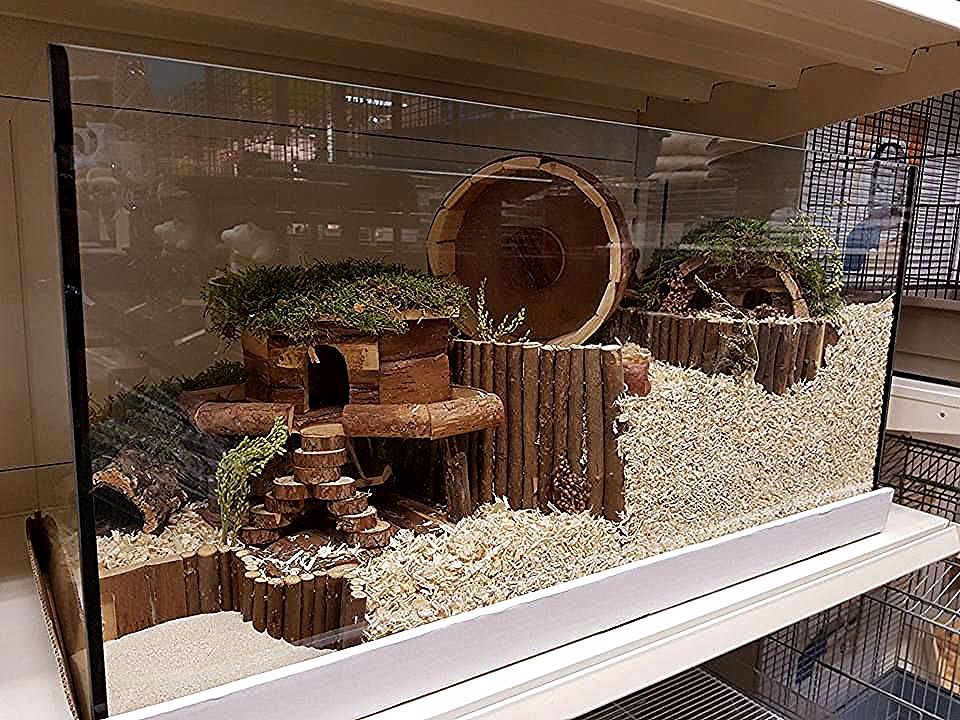
Creating a stimulating environment within a multi-level hamster cage is essential for the physical and mental well-being of your pet. Proper enrichment not only prevents boredom but also encourages natural behaviors such as digging, climbing, and exploring. Strategically incorporating toys, tunnels, bedding, and other accessories across each level enhances the hamster’s quality of life and makes cage maintenance more engaging for the owner.
Organizing enrichment items thoughtfully ensures that each level offers a variety of stimuli while maintaining accessibility and safety. Proper placement of food bowls, water bottles, and hiding spots fosters a naturalistic environment where your hamster can thrive. The following sections provide detailed ideas and recommendations for enriching your hamster’s multi-level cage environment effectively.
Ideas for Enriching Each Level with Toys, Tunnels, and Bedding
Each level of a multi-level hamster cage should be tailored to include a mix of stimulating toys, tunnels, and comfortable bedding to promote activity and comfort. Tunnels made from safe, chew-proof materials encourage exploration and mimic natural burrowing behaviors. For example, flexible plastic tunnels can connect different levels, allowing your hamster to traverse the cage comfortably. Small wooden chew toys can help maintain dental health while providing mental stimulation.
Bedding layers should be deep enough to facilitate digging and burrowing, especially in designated areas. Using a variety of textures, such as soft fleece liners or shredded paper, can make each level inviting and cozy. Incorporating items like climbing branches or platforms made from non-toxic wood or sturdy plastic encourages physical activity and exploration. Consider periodically rotating or adding new toys and tunnels to keep the environment fresh and engaging for your hamster.
Placement Strategies for Food Bowls, Water Bottles, and Hiding Spots
Proper placement of essential items within a multi-level cage ensures ease of access and encourages natural foraging behaviors. Food bowls should be positioned on different levels or in various corners to promote movement and prevent territorial disputes. Elevating some food sources on platforms or small stands can simulate natural foraging and prevent bedding from contaminating the food.
Water bottles should be securely attached at accessible heights on each level, preferably near the hamster’s resting or nesting areas, to promote regular hydration. Consider installing multiple water sources across levels if the cage size is large, ensuring your hamster always has easy access. Hiding spots such as small wooden houses, ceramic hideouts, or covered tunnels should be distributed throughout the cage, with at least one on each level, providing safe retreat areas and reducing stress.
Position these hiding spots in quiet, less trafficked areas to encourage your hamster to rest and feel secure.
Strategic placement of enrichment items ensures that your hamster can move comfortably while engaging with various stimuli, fostering a healthy, enriched environment across all levels of the cage.
Effective enrichment and accessory placement create a dynamic habitat that supports natural behaviors, reduces stress, and enhances your hamster’s overall well-being.
Maintenance and Safety Considerations
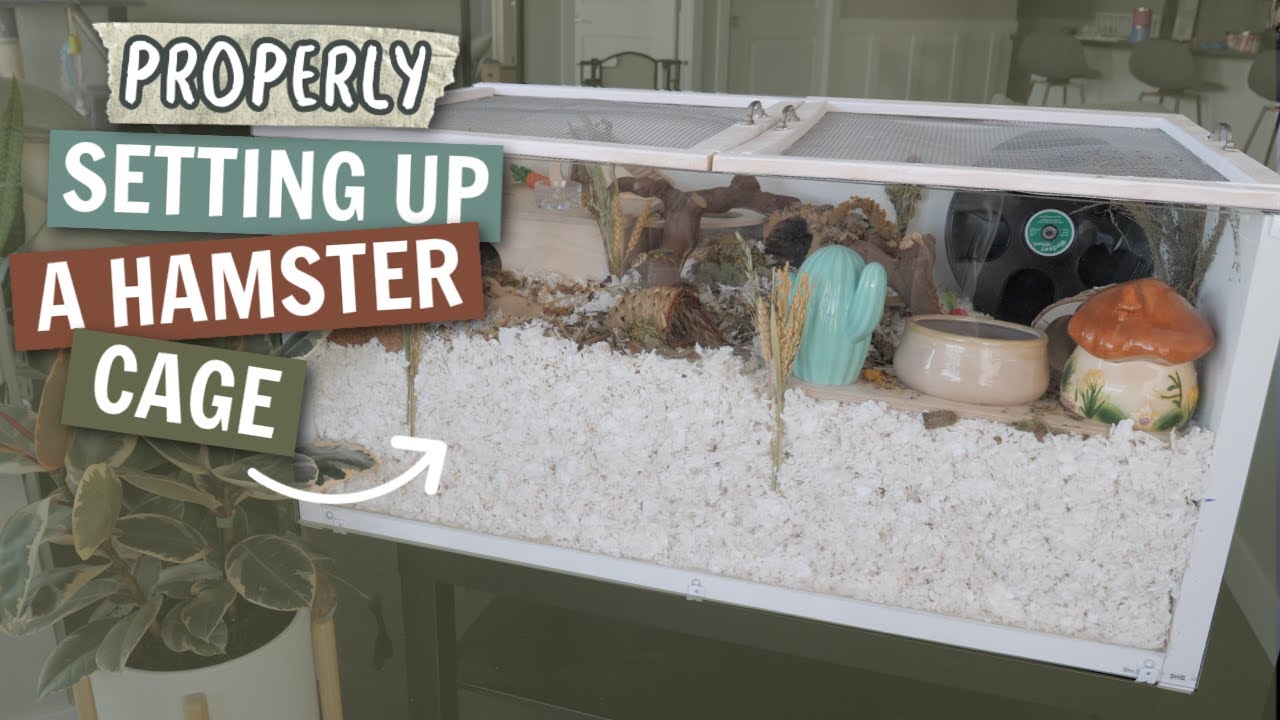
Ensuring proper maintenance and safety measures are vital components of caring for a multi-level hamster cage. Regular upkeep not only prolongs the durability of the enclosure but also guarantees a healthy and secure environment for your hamster. Implementing systematic routines and safety checks minimizes risks such as falls, escapes, or injuries, fostering a safe habitat that promotes your pet’s well-being and longevity.
Attention to maintenance tasks and safety precautions is essential, especially considering the complex nature of multi-level cages. Hamsters are naturally curious and agile creatures; therefore, creating a secure environment involves diligent cleaning schedules and the use of durable, non-toxic materials. This section offers detailed guidance on routine cleaning, safety tips, material selection, and a comprehensive table to help manage your cage’s upkeep effectively.
Cleaning Routines and Safety Tips
Establishing consistent cleaning routines is crucial for preventing the buildup of waste, bacteria, and odors, which can harm your hamster’s health and compromise cage safety. Proper cleaning also helps identify potential hazards such as loose wires or damaged bars that could lead to escapes or injuries.
- Daily Maintenance: Spot clean soiled bedding, remove uneaten fresh food, and ensure water bottles are filled and functioning properly. Check for any signs of damage or wear in high-traffic areas or around moving parts.
- Weekly Cleaning: Remove all bedding and accessories, scrub cage surfaces with a pet-safe disinfectant, and rinse thoroughly. Replace all bedding with fresh material. Examine ramps, doors, and locks for secure fit and integrity.
- Monthly Deep Cleaning: Disassemble removable components, sanitize each part, and inspect structural elements for rust or cracks. Lubricate moving parts where necessary, and replace any worn-out accessories to prevent accidents.
Adhering to these routines helps maintain hygiene and prevents issues like respiratory problems or infections. Regular inspections are also key to safety, allowing early detection of hazards such as sharp edges or loose hardware, which could cause injury or escape.
Materials and Safety Precautions
The selection of appropriate materials for a hamster cage impacts its durability and safety. Hamsters tend to gnaw on surfaces, so materials must be non-toxic, chew-proof, and sturdy enough to withstand their habits over time. Proper safety precautions include securing all entries, avoiding toxic substances, and ensuring the cage design minimizes fall risks.
For long-term safety and durability, choose cages made from high-quality, non-toxic plastics, stainless steel, or powder-coated metal frames that resist rust and wear.
Maintenance Tasks, Frequency, and Safety Precautions Table
| Maintenance Task | Frequency | Safety Precautions |
|---|---|---|
| Spot cleaning of waste and water checks | Daily | Ensure water bottles are securely attached; handle cleaning supplies carefully to avoid ingestion or contact with hamster. |
| Full cage cleaning and bedding replacement | Weekly | Disassemble cage parts gently; use pet-safe disinfectants; avoid harsh chemicals that could leave residues. |
| Structural inspection and accessory replacement | Monthly | Check for rust, loose screws, or sharp edges; replace damaged items immediately to prevent injury or escapes. |
| Deep sanitation and component lubrication | Monthly | Use only pet-safe lubricants; ensure the cage is thoroughly dry before reassembly to prevent mold growth. |
Incorporating these maintenance routines and safety precautions will create a secure and hygienic environment, reducing potential hazards and ensuring your hamster remains happy and healthy in its multi-level habitat.
Troubleshooting Common Setup Issues
Properly setting up a multi-level hamster cage ensures your pet’s safety, comfort, and enrichment. However, during the process, certain issues may arise that compromise the stability, safety, or cleanliness of the enclosure. Addressing these problems promptly and effectively helps maintain a secure environment for your hamster and prevents potential accidents or health concerns. This section provides practical solutions to some of the most common setup challenges encountered when establishing or maintaining a multi-level hamster cage.When constructing or modifying a multi-level cage, it is vital to anticipate potential issues such as loose connections, substrate spillage, or escape routes.
Recognizing early signs of these problems allows for timely intervention and adjustments, ensuring a durable, safe, and engaging habitat. The following troubleshooting tips are organized to assist hamster owners in resolving typical setup concerns efficiently.
Addressing Loose Connections or Unstable Platforms
Ensuring that all platforms, ramps, and connectors are securely attached is essential for the stability of a multi-level cage. Loose connections can lead to wobbling or collapse, posing a safety risk to the hamster and damaging the cage structure.
- Inspect Connections Regularly: Routinely check all joining points, including clips, screws, or interlocking parts, for signs of wear or looseness.
- Use Appropriate Fasteners: Employ durable, non-toxic fasteners such as small screws or specialized cage clips that provide a firm grip.
- Reinforce Weak Points: Add extra support brackets or adhesive tapes designed for plastic or metal to bolster unstable areas.
- Adjust or Replace Worn Components: Replace any damaged or worn-out connectors immediately to prevent accidents.
Solutions for Substrate Spillage Between Levels
Substrate spillage can lead to unsanitary conditions and make cleaning more difficult. Spilled bedding or substrate between levels often occurs due to overfilling or poorly secured ramps.
To minimize substrate spillage and maintain cleanliness, consider implementing these strategies:
- Use Barriers or Edging: Install small, solid barriers along the edges of ramps or platforms to contain bedding materials within designated areas.
- Secure Ramps Properly: Ensure ramps are tightly attached and slightly inclined to prevent bedding from sliding down or falling off during hamster movement.
- Choose Appropriate Substrate Depth: Avoid overly deep bedding that can easily spill when the hamster digs or climbs.
- Opt for Spill-Resistant Bedding: Use substrates with cohesive properties, such as paper-based bedding, which reduces dispersal and is easier to contain.
Preventing Hamster Escapes Through Gaps or Weak Points
Escape prevention is a crucial aspect of cage setup, especially in multi-level configurations where gaps and weak points may develop over time. Hamsters are small and resourceful, capable of squeezing through surprisingly tiny openings if not properly secured.
The following methods help prevent escapes and ensure the hamster remains safely within the enclosure:
- Inspect and Seal Gaps: Regularly examine the entire cage for gaps or holes, especially around doors, joints, and where panels meet. Seal these with non-toxic, durable materials such as metal mesh, silicone sealant, or cage-safe tape.
- Install Mesh Barriers: Cover any gaps larger than 3/8 inch with fine mesh or hardware cloth to prevent the hamster from slipping through.
- Secure Doors and Access Points: Use lockable latches or clips on doors and windows to prevent accidental openings or tampering.
- Avoid Weak Points in Construction: Reinforce corners, edges, and joining parts with additional fasteners or supportive frames to prevent structural failures that could lead to escapes.
“Vigilant inspection and timely reinforcement are key to maintaining a safe and secure environment for your hamster in a multi-level cage.”
Concluding Remarks
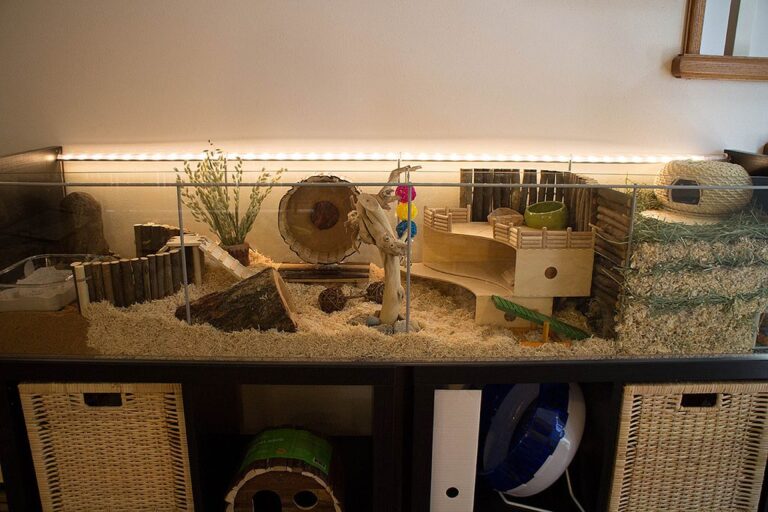
In conclusion, establishing a well-designed multi-level hamster cage enhances your pet’s quality of life by offering ample space and stimulation. Careful planning, safe assembly, and regular maintenance are vital to maintaining a secure and enjoyable environment. With these insights, you can create a habitat that combines functionality with fun, fostering a happy life for your hamster.