Learning how to set up a hamster cage is essential for creating a safe and stimulating environment that promotes your pet’s health and happiness. A well-designed habitat not only ensures safety but also encourages natural behaviors and mental engagement.
This guide covers the key elements involved in establishing an ideal hamster enclosure, including selecting appropriate cages, preparing the bedding, installing accessories, and maintaining optimal ventilation and safety measures. Understanding these components will help you provide your hamster with a comfortable and secure home.
Introduction to Setting Up a Hamster Cage
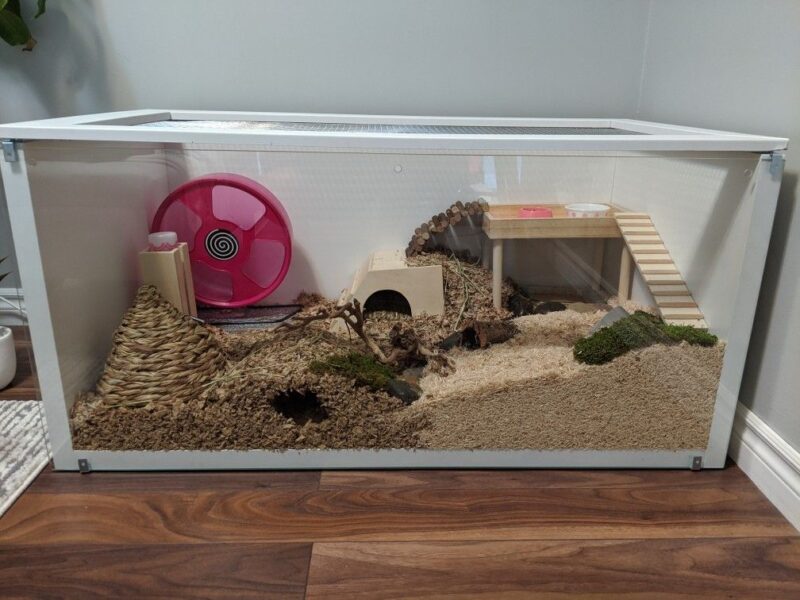
Establishing a proper cage environment for a hamster is fundamental to ensuring its health, safety, and overall well-being. A well-designed habitat not only provides comfort but also stimulates mental and physical activity, mimicking natural behaviors and reducing stress. Recognizing the importance of a suitable setup is the first step toward responsible pet ownership and the longevity of your hamster’s life.
The setup process involves incorporating several essential elements that cater to the hamster’s needs, such as appropriate enclosure space, bedding, nesting areas, and enrichment items. Each component plays a vital role in creating a safe and engaging environment that promotes natural behaviors like burrowing, climbing, and exploring.
Essential Elements of a Hamster Cage
To design an optimal habitat, it’s crucial to understand the key components required within a hamster cage. These elements collectively support the hamster’s physical health, mental stimulation, and safety.
- Enclosure Space: A spacious cage allows free movement, reduces stress, and prevents overcrowding.
- Bedding Material: Soft, absorbent bedding provides comfort, insulation, and a medium for burrowing behaviors.
- Nesting and Sleeping Areas: Cozy hideouts or nests offer a safe space for rest and privacy, reducing anxiety.
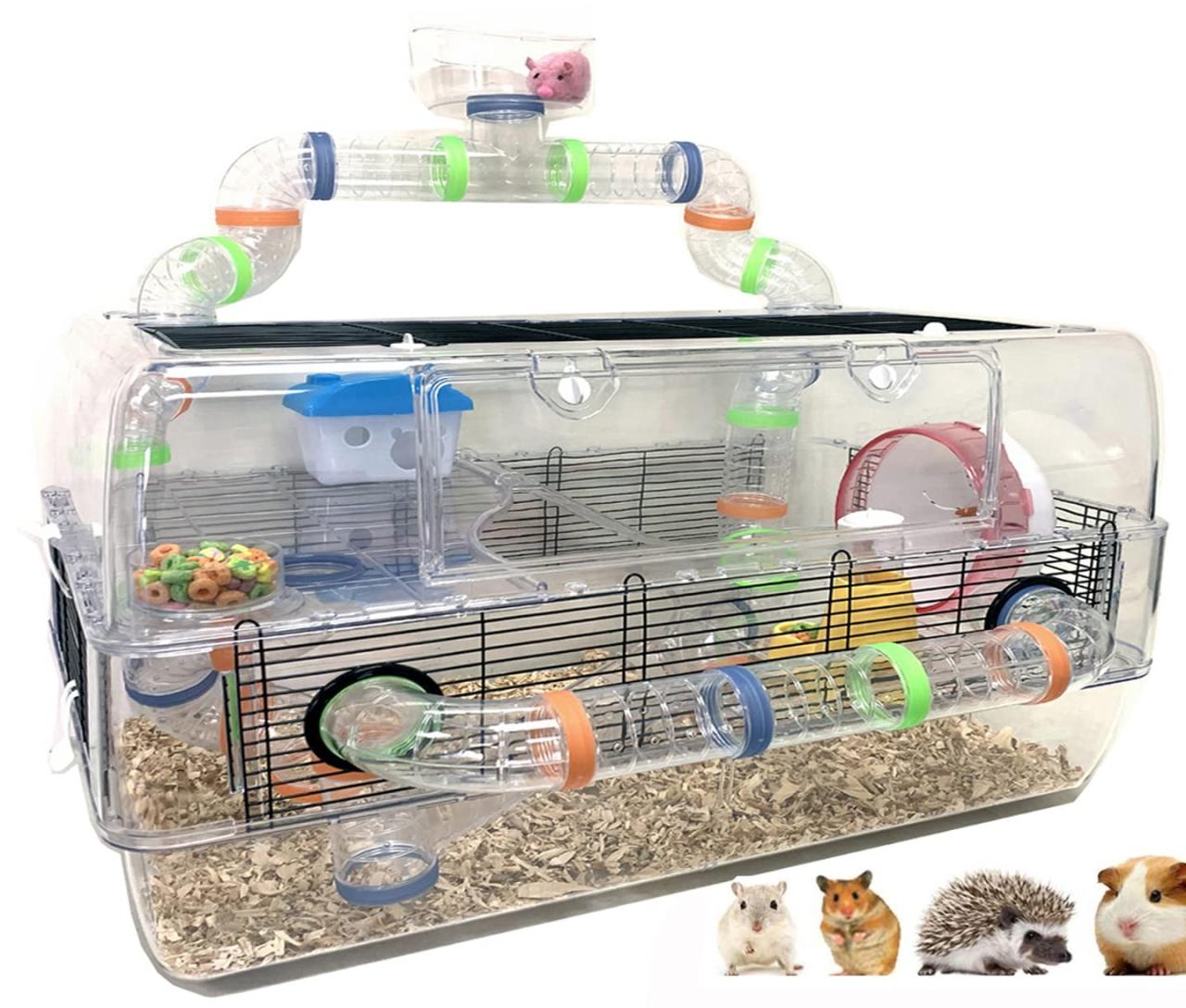
- Exercise Equipment: Items such as wheels, tunnels, and climbing structures promote physical activity and prevent obesity.
- Food and Water Dispensers: Secure containers ensure constant access to fresh food and water, maintaining hydration and nutrition.
- Enrichment Toys: Chewable toys and puzzle feeders stimulate mental engagement and help maintain dental health.
Choosing the right elements depends on the specific species of hamster, with dwarf hamsters generally requiring smaller, more compact cages, whereas Syrian hamsters thrive in larger enclosures. The cage’s dimensions should provide adequate space to accommodate these needs comfortably.
Typical Dimensions for Hamster Species
Understanding the appropriate size specifications for different hamster species ensures a habitat that supports their activity levels and natural behaviors. Proper dimensions contribute significantly to their health and happiness.
| Hamster Species | Minimum Cage Dimensions | Recommended Volume | Notes |
|---|---|---|---|
| Syrian Hamsters | 80 x 50 cm (31 x 20 inches) | around 40 liters | Require larger cages due to their size and activity needs |
| Dwarf Hamsters | 60 x 30 cm (24 x 12 inches) | about 20-30 liters | More suitable for smaller, multi-level cages |
Proper cage dimensions are crucial; a confined space can lead to stress, obesity, and behavioral issues, whereas adequate space encourages natural activity and health.
Selecting the appropriate hamster cage
Choosing the right cage for your hamster is a fundamental step in ensuring a healthy, comfortable, and stimulating environment. The cage serves as your pet’s home, providing shelter, space for exercise, and a safe haven that promotes overall well-being. Making an informed decision involves considering various factors such as material, size, ventilation, and ease of maintenance. The appropriate choice depends on your specific needs, available space, and the hamster’s species and activity level.
Different cage types come with their unique advantages and challenges. Some options may better suit first-time hamster owners, while others are ideal for more experienced caretakers seeking enhanced customization. Understanding the distinctions among various cage materials and configurations allows you to select a habitat that fosters health, encourages natural behaviors, and is practical to clean and maintain.
Factors to Consider When Choosing a Hamster Cage
When selecting a cage, several key considerations influence the suitability and longevity of the habitat. These factors include the material, physical dimensions, ventilation capabilities, and the ease of cleaning and upkeep. Each aspect contributes to the overall quality of life for your hamster and dictates the practicality of the cage for daily care routines.
- Material: The durability, safety, and comfort provided by the cage depend heavily on the material used. Common materials include wire, glass, and plastic. Each has its benefits and limitations in terms of safety, ventilation, and ease of maintenance.
- Size: Hamsters require adequate space to move, burrow, and exercise. Small cages can restrict activity and lead to health issues, while larger cages promote natural behaviors, reduce stress, and improve overall health.
- Ventilation: Proper airflow reduces the risk of respiratory problems and odor buildup. Good ventilation is essential, especially in enclosed habitats like glass tanks, to maintain a fresh and healthy environment.
- Ease of Cleaning: Frequent cleaning prevents the buildup of waste and bacteria. A cage that is easy to disassemble and clean encourages regular maintenance and keeps your hamster happy and healthy.
Comparison of Different Types of Cages
Each cage type offers distinct advantages tailored to different preferences and practical considerations. Below is an overview of the most common cage options, highlighting their characteristics in terms of material, size flexibility, ventilation, and maintenance.
| Cage Type | Material | Size Options | Ventilation | Ease of Cleaning |
|---|---|---|---|---|
| Wire Cages | Metal wire with plastic or metal base | Varies from small to large; modular setups available | Excellent, due to open wire design allowing airflow | Relatively easy; removable tray and wire panels facilitate cleaning |
| Glass Tanks | Tempered glass with plastic or metal lid | Limited, depending on tank dimensions; usually rectangular | Poor, unless equipped with vents or mesh lids for airflow | Moderate; base is easy to clean, but glass sides require regular wiping |
| Plastic Habitats | Plastic with integrated or modular design | Generally smaller; some models allow expansion | Limited, depends on design; some have built-in ventilation | Easy to clean due to smooth surfaces; some models are easier to disassemble |
“Choosing the right cage involves balancing safety, comfort, and practicality to create an environment where your hamster can thrive.”
Preparing the Cage Base and Flooring
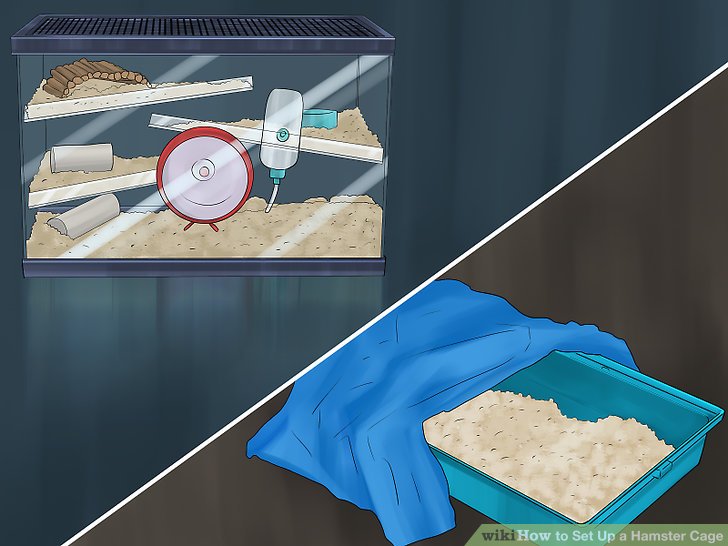
Establishing a comfortable and secure foundation for your hamster is essential for its health and well-being. The cage base and flooring serve as the primary environment where your pet will spend most of its time, making their proper preparation a crucial step in setting up an optimal habitat.
The choice and preparation of the cage bottom influence not only the comfort of your hamster but also its safety, hygiene, and ease of maintenance. Selecting the right materials and ensuring appropriate layering can significantly enhance your pet’s quality of life while simplifying cleaning routines for you as a caretaker.
Choosing and Preparing the Cage Bottom for Comfort and Safety
When selecting a cage bottom, it is vital to prioritize materials that are non-toxic, sturdy, and easy to clean. Common options include plastic trays, wire mesh floors with a solid base, or glass enclosures. Avoid wire floors alone, as they can cause injuries or discomfort to your hamster’s feet. The base should be smooth, without sharp edges or gaps that could trap claws or cause harm.
Preparing the cage bottom involves ensuring that it is clean, dry, and free from any manufacturing residues or contaminants. Before introducing bedding, wash the base with mild, pet-safe disinfectant and rinse thoroughly. Dry it completely to prevent mold or bacteria growth, which can compromise your hamster’s health. Consider lining the bottom with a protective layer such as a solid plastic tray if using wire or mesh cages to provide a comfortable surface.
Various Bedding Materials and Their Benefits
Choosing appropriate bedding materials is essential for creating a cozy environment that absorbs waste, controls odor, and encourages natural burrowing behaviors. The ideal bedding should be safe for hamsters, dust-free, and capable of controlling moisture efficiently. Here are some common bedding options and their advantages:
| Bedding Material | Benefits |
|---|---|
| Aspen Shavings | Odor control, absorbent, non-toxic, and safe for hamsters; free of aromatic oils that can cause respiratory issues. |
| Paper-Based Bedding | Highly absorbent, dust-free, soft, and safe; suitable for sensitive hamsters and easy to compost. |
| Timothy Hay | Encourages natural foraging and burrowing; adds enrichment, but should be mixed with other bedding for moisture absorption. |
| Corn Cob Bedding | Good at odor control and absorbency, but can be dusty if not processed properly; should be used sparingly. |
Layering bedding properly ensures even distribution and prevents the formation of damp spots, which can lead to health issues such as respiratory problems or infections.
Proper Bedding Layering and Maintenance Procedures
Applying bedding correctly involves creating a soft, absorbent, and well-ventilated layer that covers the entire cage base. Start with a layer approximately 1 to 2 inches thick, depending on your hamster’s activity level and enclosure size. This depth provides enough material for burrowing and waste absorption while maintaining good airflow.
Regular maintenance is vital to keep your hamster’s environment clean and hygienic. Daily, remove soiled bedding and any uneaten food to prevent odor buildup and bacterial growth. Completely replace bedding at least once a week or more frequently if your hamster produces significant waste or if you notice unpleasant odors. When replacing bedding, thoroughly clean the cage base with a pet-safe disinfectant, rinse, and dry before adding fresh bedding.
This routine supports your hamster’s health and ensures a fresh, inviting habitat.
Installing Habitat Accessories
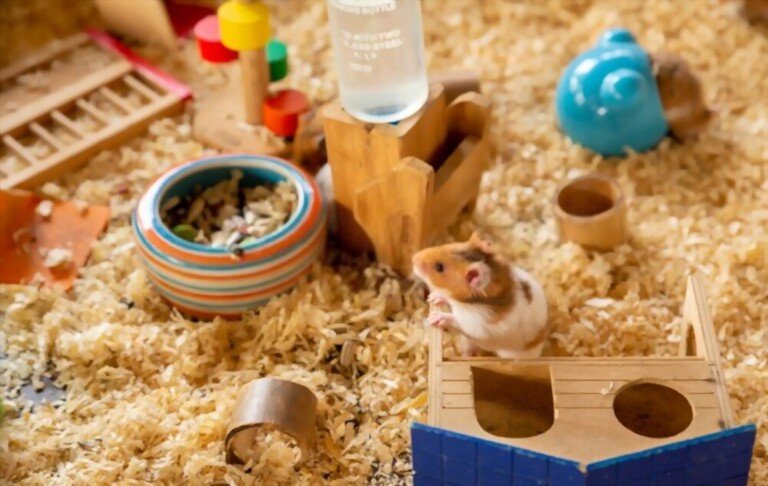
Equipping your hamster’s cage with the right accessories is essential for promoting a healthy, active, and stimulating environment. Proper installation and arrangement of accessories not only enhance your pet’s well-being but also prevent potential hazards that could cause injury or stress. Carefully selecting, positioning, and maintaining these items ensures a safe and enriching habitat for your hamster to thrive in.
In this section, we will explore the key accessories vital for a hamster’s habitat, detailed procedures for their effective placement to encourage activity and mental stimulation, and guidelines for secure installation and ongoing maintenance to ensure safety and durability.
Essential Accessories for a Hamster Cage
When creating a comprehensive habitat, it is important to include essential accessories that cater to your hamster’s natural behaviors such as running, hiding, climbing, and exploring. The following list highlights the most crucial items:
- Exercise Wheel
- Hideouts or Shelter Boxes
- Tunnels and Tubes
- Climbing Structures and Platforms
Arranging Accessories to Promote Activity and Mental Stimulation
Strategic placement of accessories within the cage enhances your hamster’s engagement and prevents boredom. Proper arrangement encourages natural behaviors and provides a varied environment that promotes physical and mental exercise.
- Position the Exercise Wheel: Place the wheel against the side of the cage, ensuring it is stable and unobstructed. The wheel should be of a solid surface or mesh with a diameter appropriate for your hamster’s size—typically 8-12 inches for Syrian hamsters or 6-8 inches for dwarf hamsters.
- Arrange Hideouts and Shelter Boxes: Locate hideouts in corners or secluded areas where your hamster can retreat and feel secure. Distribute multiple shelters throughout the cage to prevent overcrowding and encourage exploration.
- Distribute Tunnels and Tubes: Connect tunnels to create a network that encourages climbing and exploration. Position tunnels in different areas, some elevated on platforms and others at ground level, to mimic natural burrowing habitats.
- Incorporate Climbing Structures and Platforms: Install climbing ladders, ramps, or multi-level platforms to stimulate physical activity. Place them in accessible locations that do not obstruct movement or access to other accessories.
Ensure that each accessory is spaced adequately to allow free movement and prevent overcrowding. Incorporate a variety of textures and heights to cater to your hamster’s natural instincts for exploration, climbing, and hiding, thus enriching their environment.
Secure Installation and Maintenance of Accessories
Proper installation prevents accidental dislodgement that could lead to injury or escape. Regular maintenance ensures the accessories remain safe, clean, and functional, supporting your hamster’s health and safety.
- Secure Fastening: Use appropriate fixtures such as clips, brackets, or non-toxic adhesive to firmly attach accessories. For example, climbing structures can be anchored to the cage bars with sturdy clips, while tunnels can be connected using secure connectors that prevent detachment.
- Check for Sharp Edges and Damaged Parts: Regularly inspect all accessories for sharp points, loose parts, or wear and tear. Replace or repair damaged items immediately to prevent injuries.
- Cleanliness and Hygiene: Clean accessories with warm water and pet-safe disinfectants weekly. Avoid harsh chemicals that may leave harmful residues, and ensure all items are thoroughly dried before returning to the cage.
- Replace or Rearrange Periodically: Rotating accessories or adjusting their position can renew your hamster’s environment, reducing boredom and encouraging new behaviors. Monitor for signs of wear or damage and replace accessories as needed.
“A well-installed, safely maintained habitat supports your hamster’s natural instincts and promotes longevity, activity, and mental wellness.”
Providing Proper Ventilation and Temperature Control
Ensuring optimal airflow and maintaining appropriate temperature levels are essential for the health and well-being of your hamster. Proper ventilation prevents the buildup of harmful ammonia fumes from waste, reduces humidity levels, and promotes fresh air circulation. Equally important is controlling the temperature to prevent stress, dehydration, or heatstroke, which can be life-threatening for hamsters.
Effective ventilation and temperature management involve strategic placement of the cage and the use of suitable environmental controls. Regular monitoring helps ensure that your hamster’s habitat remains comfortable and safe, contributing to a healthier, more active pet.
Optimal Placement of the Hamster Cage
The location of the cage significantly influences its ventilation and temperature stability. Hamsters are sensitive to drafts, direct sunlight, and temperature fluctuations. Placing the cage in a well-ventilated yet draft-free area helps maintain consistent airflow without causing stress or discomfort to the animal.
Ideal locations include rooms with stable temperatures, away from windows, air conditioning units, or heaters. Avoid placing the cage in direct sunlight, near vents, or in areas with high humidity, such as bathrooms or kitchens, where temperature and humidity levels are less controllable. A spot in a quiet corner of a living room or a well-ventilated corner of a bedroom often provides an optimal environment.
Monitoring and Maintaining Temperature and Humidity Levels
Consistent monitoring of your hamster’s habitat ensures that environmental conditions stay within safe ranges. Use reliable thermometers and hygrometers to measure temperature and humidity regularly. The ideal temperature for a hamster ranges between 65°F and 75°F (18°C to 24°C), with humidity levels maintained around 40-60%.
To regulate temperature, avoid placing the cage near heat sources, air vents, or drafty windows. If temperature fluctuations occur, consider using fans or space heaters with thermostats to stabilize conditions. In addition, using a small fan with adjustable speed can improve airflow without creating drafts that could harm the hamster.
Maintaining proper airflow and temperature prevents respiratory issues, reduces stress, and promotes overall health in hamsters, ensuring they live comfortably and happily in their habitat.
Ensuring Safety and Security in the Cage Setup
Creating a safe and secure environment for your hamster is essential for their well-being and peace of mind. Properly securing the cage and eliminating hazards help prevent escapes and injuries, ensuring your pet remains healthy, happy, and stress-free. A well-maintained cage not only protects your hamster from external dangers but also fosters a comfortable habitat that encourages natural behaviors and exploration.Maintaining safety and security involves careful attention to every aspect of the cage’s design and ongoing upkeep.
Regular checks and preventive measures are key to avoiding accidents and ensuring the longevity of your hamster’s habitat.
Securing the Cage Lid, Door Latches, and Preventing Escapes
Ensuring that your hamster cannot escape through openings or weak points is fundamental to cage security. Hamsters are agile and curious creatures capable of squeezing through surprisingly small spaces. Therefore, the cage’s lid, doors, and any access points must be sturdy and properly locked.
- Use cages equipped with secure, latch-style doors that are easy for you to open but difficult for your hamster to manipulate.
- Verify that lid latches are tight-fitting and made from durable materials, such as metal or high-quality plastic, to withstand chewing or attempts at escape.
- Consider adding additional safety measures, such as clips or locks, to reinforce the locking mechanisms, especially if your hamster is particularly resourceful or persistent.
- Regularly inspect all latches and hinges for signs of wear or damage, replacing or repairing as necessary to preserve the integrity of the enclosure.
- When cleaning or rearranging the cage, ensure doors and lids are securely fastened before leaving the hamster unattended.
Common Hazards to Avoid Within the Cage Environment
A safe habitat minimizes exposure to hazards that could harm your hamster or cause stress. Awareness of potential dangers allows you to create a secure and healthy environment.
- Avoid using cage accessories or decorations made from toxic materials or those with small parts that can be ingested.
- Keep electrical cords and wires away from the cage or secure them out of reach to prevent chewing, which could lead to electrical shocks or fires.
- Prevent accumulation of sharp objects, broken parts, or rough materials that could cause cuts or injuries.
- Be cautious with bedding materials, choosing non-toxic, dust-free options to prevent respiratory issues and skin irritation.
- Regularly check for mold, bacteria, or foul odors that may indicate contamination or hygiene issues, and clean the cage thoroughly as needed.
Maintenance Tips to Preserve Cage Integrity and Safety Over Time
A well-maintained cage remains a safe haven for your hamster over the long term. Consistent inspections and cleaning routines help identify and address issues before they become hazards.
- Schedule weekly cage cleanings, replacing bedding and removing any waste or debris to prevent bacterial growth and odor buildup.
- Tighten loose screws, latches, or hinges periodically to ensure continued security and stability.
- Replace worn or damaged accessories, bedding, or cage components promptly to prevent injury or escape.
- Use safe cleaning agents specifically formulated for small animal habitats, avoiding harsh chemicals that could leave harmful residues.
- Monitor the cage for signs of chewing or damage, especially in areas where the habitat might be compromised. Repair or replace compromised sections to maintain a secure environment.
- Ensure ventilation openings are unobstructed to facilitate airflow, reducing the risk of respiratory problems and maintaining a comfortable temperature.
Regular maintenance and vigilant safety checks are vital to creating a secure space where your hamster can thrive without risk of injury or escape.
Final Checks and Routine Maintenance
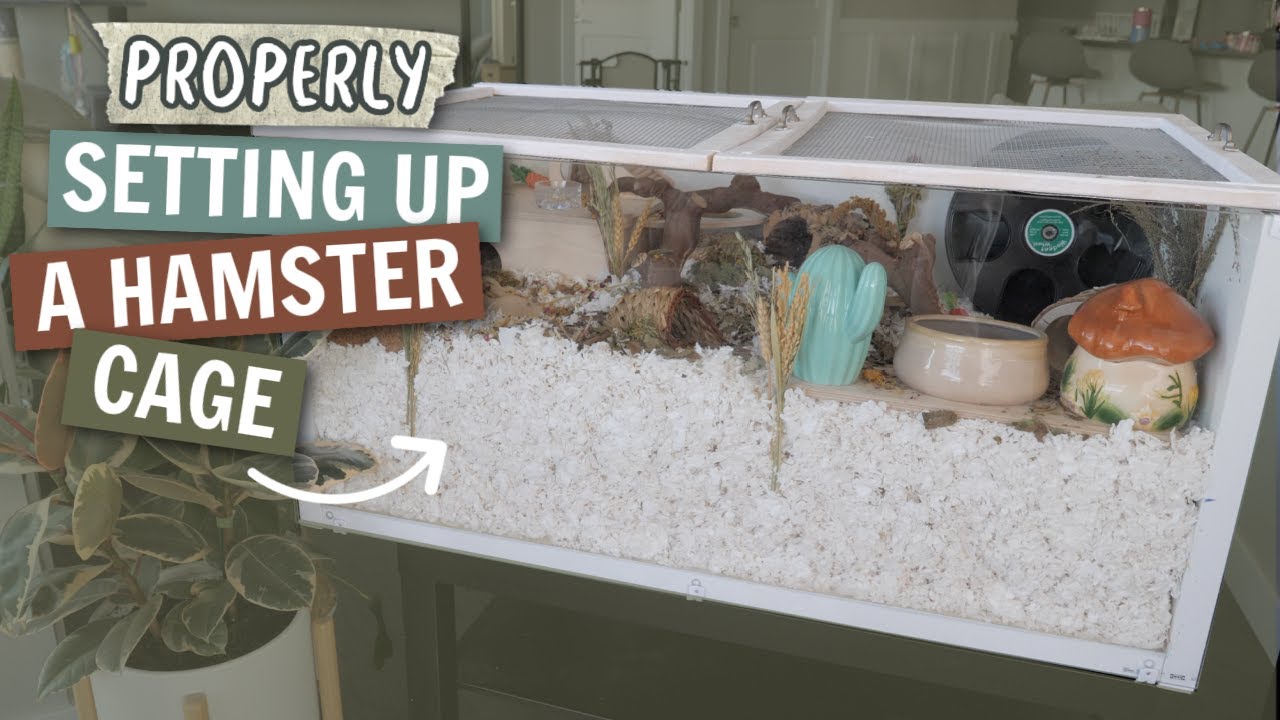
Maintaining a clean, safe, and stimulating environment for your hamster is essential for its overall health and well-being. Regular inspections and cleaning routines ensure that the habitat remains secure and conducive to your pet’s happiness. Establishing daily, weekly, and monthly maintenance tasks helps prevent common issues such as odor buildup, infestations, or habitat deterioration, thereby promoting a healthy and comfortable living space for your hamster.Consistent and systematic upkeep of the cage not only extends its lifespan but also minimizes the risk of health problems related to unsanitary conditions.
As your hamster ages or its preferences and needs evolve, adapting the environment becomes necessary to support its changing activity levels, health requirements, and comfort. Regular assessments and modifications enable you to provide a nurturing habitat that responds effectively to your hamster’s growth and development.
Daily Maintenance Tasks
Daily care involves simple yet vital routines that keep your hamster’s habitat fresh and safe. This includes removing soiled bedding, uneaten fresh food, and any waste to prevent unpleasant odors and bacterial buildup. Fresh water should be replenished every day to ensure your hamster remains properly hydrated. Additionally, observe your hamster for signs of distress, illness, or injury, and make note of any behavioral changes that may indicate health issues needing prompt attention.Maintaining a clean environment on a daily basis helps prevent the spread of germs and reduces the likelihood of health complications.
It also encourages your hamster to stay active and engaged within a hygienic space, which supports its physical and mental health.
Weekly Maintenance Tasks
Weekly routines involve more comprehensive cleaning and habitat checks to sustain a healthy environment. This includes replacing bedding entirely and thoroughly disinfecting the cage components with pet-safe cleaning agents, avoiding harsh chemicals that could harm your hamster. Scrubbing accessories such as tunnels, wheels, and nesting areas ensures they remain free of bacteria and mold. Inspecting the cage for structural integrity is crucial; check for any loose or damaged parts that could pose safety risks.
It’s also an ideal time to evaluate the placement of accessories, ensuring they provide enrichment while promoting safe movement. Additionally, reviewing the temperature and ventilation setup helps maintain optimal living conditions.
Monthly Maintenance Tasks
Monthly maintenance encompasses detailed habitat assessments and upgrades to adapt to your hamster’s evolving needs. This involves replacing old bedding, deep cleaning all cage components, and inspecting for wear and tear. It is beneficial to reassess the layout of the habitat, considering whether new accessories or enrichment items are necessary to stimulate your hamster’s natural behaviors such as digging, foraging, and climbing.Perform a thorough safety check to ensure all cage mechanisms function properly, doors latch securely, and no sharp edges are exposed.
It is also advisable to monitor the overall health of your hamster, consult with a veterinarian if any concerning signs arise, and adjust the environment accordingly to support its well-being.
Habitat Effectiveness and Safety Evaluation Checklist
To ensure the hamster’s habitat remains effective and safe, use a systematic checklist that covers essential aspects of the environment. Regular evaluations help identify potential hazards and areas for improvement, maintaining a secure and stimulating space.
- Stable cage structure with secure doors and latches
- Absence of sharp edges or broken components
- Proper ventilation and temperature control
- Clean, dry bedding free of mold and pests
- Availability of fresh water and nutritious food
- Enrichment items like wheels, tunnels, and chew toys in good condition
- Secure lid or cover to prevent escapes
- Accessible cleaning and maintenance points for easy upkeep
- Observation of hamster behavior for signs of stress or discomfort
A well-maintained habitat not only enhances your hamster’s quality of life but also simplifies routine care, making pet ownership a rewarding experience.
Adapting the Environment as Your Hamster Grows
As your hamster matures, its needs and activity levels will change, requiring modifications to its cage environment. Younger hamsters often benefit from a habitat that emphasizes safety, with soft bedding and protected spaces for rest. As they grow more active and curious, increasing space and complexity becomes essential to prevent boredom and promote natural behaviors such as digging and foraging.Adding or enlarging tunnels, platforms, and enrichment items can stimulate mental and physical activity.
If your hamster develops health issues or mobility limitations, adjusting the cage layout to include easily accessible food and water sources, and softer bedding options, becomes necessary. Regularly monitoring your hamster’s behavior and health allows you to identify specific needs, guiding you in making timely modifications that support its ongoing well-being.
Epilogue
In summary, creating the perfect hamster cage involves careful selection, proper setup, and ongoing maintenance to ensure a healthy and enriching environment. By following these guidelines, you can enjoy a harmonious and safe habitat that meets your hamster’s needs throughout its life.