Learning how to feed vegetables to a hamster is essential for ensuring their nutritional needs are met and promoting a vibrant, healthy life. Including a variety of fresh vegetables can enrich their diet, providing essential vitamins and minerals that support overall well-being.
This guide offers valuable insights into selecting safe vegetables, preparing them properly, and integrating them into your hamster’s routine. By understanding proper feeding techniques and monitoring your pet’s response, you can help ensure their diet remains balanced and safe, fostering a happier, healthier hamster.
Overview of Feeding Vegetables to a Hamster
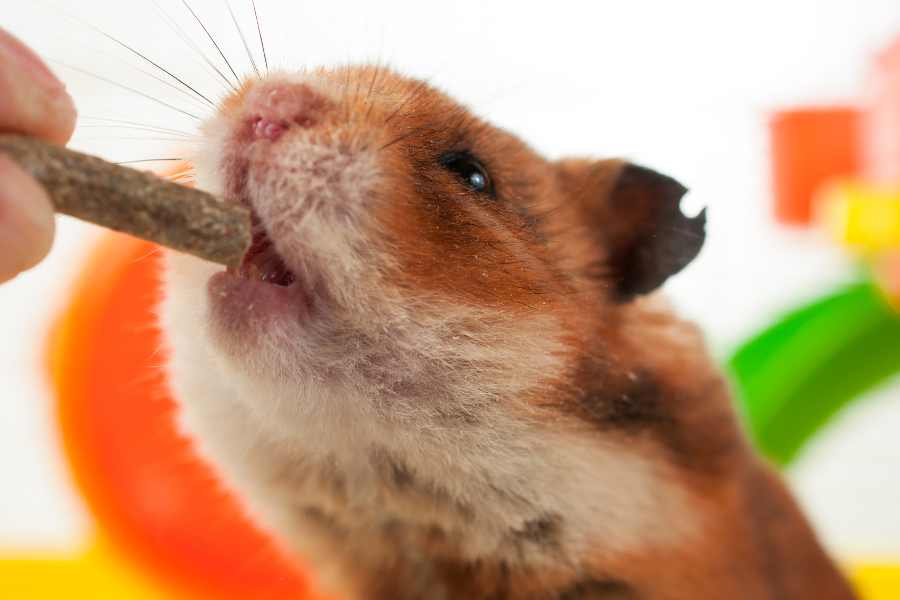
Incorporating vegetables into a hamster’s diet plays a vital role in ensuring their overall health and well-being. Vegetables are a rich source of essential vitamins, minerals, and dietary fiber, which support various bodily functions and promote longevity. Providing a balanced mix of fresh vegetables complements a hamster’s primary diet of high-quality pellets or seeds, offering diversity and preventing nutritional deficiencies.
Feeding vegetables to hamsters not only enhances their nutritional intake but also encourages natural foraging behaviors, which can help reduce boredom and stress. When selecting vegetables, it is crucial to understand which are safe and suitable for hamsters, as some vegetables can cause digestive issues or toxicity if not properly prepared or fed in moderation. A well-considered vegetable diet contributes to a healthy, active, and happy hamster, supporting their immune system and overall vitality.
Common Vegetables Suitable for Hamsters with Safety Considerations
Not all vegetables are appropriate for hamsters; therefore, it is essential to choose safe options that provide nutritional benefits without risking health complications. When introducing new vegetables, moderation and careful observation are key to ensuring your hamster’s safety and well-being.
| Vegetable | Benefits | Safety Tips |
|---|---|---|
| Carrots | Rich in beta-carotene, vitamin A, and fiber, promoting good vision and digestion. | Feed in small, manageable pieces; too much can cause orange staining of the fur or diarrhea. |
| Cucumbers | Hydrating and low in calories, aiding in hydration and weight management. | Serve in small slices; ensure the cucumber is fresh and free from pesticides. |
| Leafy Greens (e.g., spinach, romaine lettuce) | High in vitamins A, C, and K, supporting immune health and blood clotting. | Feed sparingly; excessive spinach may contain oxalates that can contribute to kidney issues. |
| Bell Peppers | Contains vitamin C and antioxidants, promoting healthy skin and coat. | Remove seeds and stem before offering; serve in small, thin slices. |
| Broccoli | Rich in vitamin C, fiber, and antioxidants, which support immune function and digestion. | Introduce gradually; excessive amounts can cause gas or bloating. |
It is essential to introduce vegetables gradually into a hamster’s diet and monitor for any adverse reactions to ensure their safety.
By selecting suitable vegetables and preparing them appropriately, owners can significantly enhance their hamster’s nutritional intake. Always wash vegetables thoroughly to remove pesticides and contaminants, cut them into small, manageable pieces, and serve in moderation. Regularly rotating different vegetables can provide a broader spectrum of nutrients, fostering a healthier and more stimulating environment for your hamster.
Suitable Vegetables for Hamsters

Providing a variety of vegetables is essential for maintaining a healthy and balanced diet for hamsters. Selecting vegetables that are safe and rich in nutrients ensures your pet receives essential vitamins and minerals to support their overall health, immune system, and vitality. Not all vegetables are suitable for hamsters, so understanding which ones are safe and beneficial is crucial for responsible pet care.
In this section, we will explore a range of vegetables classified into leafy greens, root vegetables, and other categories, highlighting their nutritional profiles and benefits. Recognizing the appropriate serving sizes and types of vegetables helps prevent dietary imbalances and potential health issues.
Leafy Greens
Leafy greens are an excellent source of vitamins, fiber, and antioxidants, making them a staple in a hamster’s diet. They are generally low in calories but high in essential nutrients that promote digestive health and provide vital micronutrients.
- Spinach: Rich in iron, calcium, and vitamins A, C, and K. Spinach promotes healthy bone development and immune function. However, it contains oxalates that can interfere with calcium absorption if fed in excess, so moderation is key.
- Kale: Contains high levels of vitamins A, C, and K, along with antioxidants that support overall health. Kale should be offered sparingly due to its high calcium content, which can lead to kidney issues if overfed.
- Lettuce: Especially romaine lettuce, provides hydration and vitamins with minimal calories. It is a good occasional treat but should not replace more nutrient-dense greens.
- Dandelion Greens: Packed with calcium, potassium, and vitamins A and C, they aid digestion and serve as a natural detoxifier. Ensure they are pesticide-free before offering.
Root Vegetables
Root vegetables offer a different set of nutrients, such as fiber and various minerals. They should be fed in moderation due to their carbohydrate content, which can lead to obesity if overconsumed. Proper preparation and portion control are essential.
- Carrots: Excellent sources of beta-carotene (vitamin A), fiber, and antioxidants. Carrots support vision and skin health. They are sweet and crunchy, making them a popular treat for hamsters.
- Beets: Rich in vitamins and minerals like folate and manganese. Beets can help improve blood flow and detoxify the liver, but their high sugar content means they should be offered sparingly.
- Parsnips: Provide vitamin C, fiber, and potassium. Parsnips promote digestive health and provide a natural source of energy for active hamsters.
- Sweet Potatoes: Contain vitamins A, C, and manganese, along with dietary fiber. They support immune health and provide sustained energy when fed in small amounts.
Other Suitable Vegetables
Besides leafy greens and root vegetables, other vegetables can be safely incorporated into a hamster’s diet, offering a diverse array of nutrients that promote overall health.
- Cucumber: Hydrating and low in calories, cucumbers are rich in water and provide small amounts of vitamins and minerals, perfect for hydration during warmer months.
- Zucchini: Contains vitamins C and A, along with fiber. It aids digestion and provides a crunchy texture that hamsters enjoy.
- Bell Peppers: Rich in vitamins A and C, bell peppers boost immune function and improve skin health. They should be fed in moderation due to their acidity.
- Broccoli: Offers vitamins C, K, and fiber, supporting immune health and digestion. Offer in small pieces to prevent gas or bloating.
Vegetable Safety and Serving Guidelines
While many vegetables are safe for hamsters, it is important to introduce new foods gradually and observe for any adverse reactions. Always wash vegetables thoroughly to remove pesticides and chemicals. Serve vegetables in small, manageable portions, approximately the size of the hamster’s paw, to prevent overfeeding. Limit feeding frequency to a few times per week to maintain dietary balance and prevent spoilage or digestive issues.
Remember that moderation and variety are key to a healthy hamster diet. Overfeeding certain vegetables, especially those high in calcium or sugar, can have negative health implications. Regularly consulting with a veterinarian experienced in small pets ensures your hamster’s dietary needs are properly met.
Vegetable Comparison Table
| Vegetable | Safety for Hamsters | Nutritional Benefits | Recommended Serving Size |
|---|---|---|---|
| Spinach | Yes, in moderation | Vitamins A, C, K; Iron; Antioxidants | 1-2 small leaves, 2-3 times per week |
| Kale | Yes, sparingly | Vitamins A, C, K; Calcium; Antioxidants | 1 small leaf, weekly |
| Lettuce (Romaine) | Yes | Hydration; Vitamins A & C | Small piece, daily or every other day |
| Carrots | Yes | Beta-carotene (Vitamin A); Fiber; Antioxidants | 1-2 small slices, 2-3 times per week |
| Beets | Yes, in small quantities | Vitamins B6, Folate; Manganese; Iron | Small piece, once a week |
| Broccoli | Yes, in moderation | Vitamins C & K; Fiber | Few small florets, 1-2 times per week |
| Cucumber | Yes | Water; Vitamins K & C | Small slice, daily |
| Zucchini | Yes | Vitamins A & C; Fiber | Small piece, 2-3 times per week |
| Bell Peppers | Yes, in moderation | Vitamins A & C; Antioxidants | Small strip, weekly |
| Parsnips | Yes | Vitamin C; Potassium; Fiber | Small slice, once a week |
Preparing Vegetables for Feeding
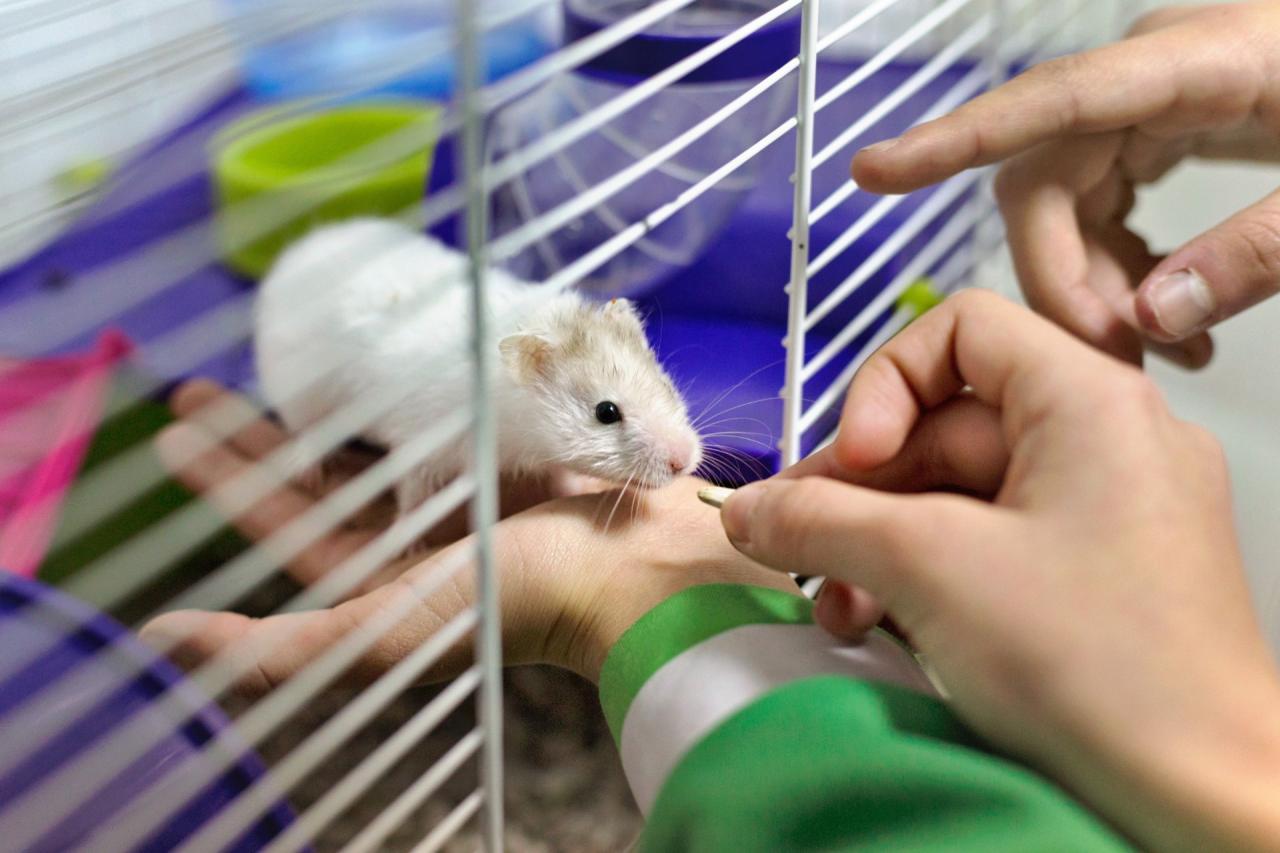
Proper preparation of vegetables is essential to ensure your hamster’s safety and maximize nutritional benefits. Fresh, well-processed vegetables reduce the risk of contamination and make it easier for your hamster to consume and digest them. Following the correct steps for washing, peeling, and chopping helps maintain a healthy and enjoyable diet for your pet.
In this section, we will detail the systematic procedures for preparing vegetables, emphasizing safety, cleanliness, and appropriate handling techniques to provide your hamster with wholesome, safe, and easily consumable vegetable treats.
Step-by-Step Procedures for Washing, Peeling, and Chopping Vegetables
Adhering to a structured approach when preparing vegetables ensures your hamster receives clean and adequately processed produce. The following procedures serve as a comprehensive guide to achieve this goal:
- Washing Vegetables:
Begin by thoroughly rinsing vegetables under cold, running water to remove surface dirt, bacteria, and residues. Gently rub the surface with your fingers or a soft brush to dislodge stubborn dirt. For leafy greens, separate individual leaves and wash each thoroughly to eliminate hidden contaminants. This step is crucial to reduce the risk of introducing pesticides or harmful bacteria into your hamster’s diet.
- Removing Pesticides and Ensuring Cleanliness:
To further eliminate pesticide residues, consider soaking vegetables in a solution of water and vinegar or a commercial vegetable wash for a few minutes. Rinse them thoroughly afterward to remove any traces of the solution. Alternatively, using a produce-specific wash solution can be effective. Always opt for organic vegetables when possible, as they typically contain fewer pesticide residues.
- Peeling Vegetables:
Peeling is recommended for vegetables with thick or pesticide-heavy skins, such as carrots or cucumbers. Use a clean vegetable peeler to remove the outer layer, which may harbor residues or pesticides. Do not peel excessively to retain the vegetable’s nutritional value. For vegetables with edible skins that are safe and clean, peeling can be skipped, provided they are thoroughly washed.
- Chopping Vegetables:
Cut vegetables into small, manageable pieces appropriate for your hamster’s size. Use clean, sharp knives to avoid crushing or damaging the produce. Chopping into tiny cubes or thin slices facilitates easier consumption and reduces choking hazards. For added safety, avoid sharp edges or uneven cuts that could injure your hamster’s mouth.
Organized Preparation Techniques for Quick Reference
Having a set of organized methods streamlines the preparation process, saving time while ensuring consistency and safety. The following bullet points summarize effective techniques for preparing vegetables:
- Rinsing: Use cold, running water and gentle rubbing to remove dirt and bacteria effectively.
- Soaking: Submerge vegetables in a vinegar-water solution (1 part vinegar to 3 parts water) for 5-10 minutes, then rinse thoroughly to remove pesticides and disinfect.
- Peeling: Use a clean vegetable peeler to remove outer skins of vegetables prone to pesticide residues or dirt, such as carrots and cucumbers.
- Chopping: Cut vegetables into small, uniform pieces that are easy for your hamster to chew, with smooth edges to prevent injuries.
- Storage: Store prepared vegetables in airtight containers or plastic wrap and refrigerate to maintain freshness until feeding.
Tip: Always prepare vegetables just before feeding to preserve maximum nutrients and prevent spoilage. Proper hygiene and preparation practices are key to safeguarding your hamster’s health.
Feeding Guidelines and Portion Control
Ensuring your hamster receives the appropriate amount of vegetables is crucial for maintaining their health and preventing digestive issues. Proper feeding guidelines help establish a balanced diet that complements their regular hamster mix, promoting overall wellbeing and longevity.A structured approach to serving vegetables involves understanding recommended portion sizes and feeding frequency. This prevents overfeeding, which can lead to obesity, and underfeeding, which might result in nutrient deficiencies.
Consistency and moderation are key components of effective feeding practices.Introducing new vegetables to your hamster’s diet requires careful attention. Gradual introduction allows you to observe their digestion and monitor for any adverse reactions, such as diarrhea or allergies. Sudden changes in diet can upset their digestive system, so it is recommended to add small amounts of a new vegetable over a period of 3 to 5 days, gradually increasing the quantity as tolerated.Effective portioning of vegetables can be achieved through visual cues or weight-based measures.
Using a small, measured portion—such as a slice approximately the size of their palm or weighing around 1 to 2 grams—per feeding session ensures consistency. Employing a kitchen scale can provide precise measurements, especially when introducing new vegetables or adjusting portions based on your hamster’s size and activity level.
Consistent and moderate feeding practices foster healthier digestion and prevent obesity in hamsters, supporting their natural foraging instincts while safeguarding their health.
Recommended Serving Sizes and Feeding Frequency
Hamsters typically require fresh vegetables in small, controlled portions to complement their diet. An appropriate serving size is generally about 1 to 2 teaspoons of chopped vegetables per feeding session, provided 2 to 3 times per week. This frequency allows their digestive system to process the vegetables effectively without overwhelming it, as hamsters are naturally inclined to consume a variety of foods in small amounts throughout the day.The frequency of feeding vegetables should be tailored to the individual hamster’s age, activity level, and overall health.
Young or elderly hamsters may require smaller quantities or less frequent servings to accommodate their digestive capacity. Consistency in timing and serving size helps prevent gastrointestinal upset and encourages healthy eating habits.
Monitoring your hamster’s response to vegetables over time and adjusting portions accordingly is essential for maintaining their health and ensuring they enjoy a diverse, nutritious diet.
Procedures for Portioning Vegetables
Accurate portioning of vegetables is vital to prevent overfeeding and to ensure your hamster receives the right amount of nutrients. Visual methods involve cutting vegetables into small, uniform pieces that are easy for your hamster to nibble and digest. For example, slicing carrots or cucumber into thin, bite-sized sticks approximately 1 centimeter in length can facilitate easy consumption.Weight-based measurement offers precision, especially when introducing new vegetables or calculating exact portions.
Using a digital kitchen scale, weigh small amounts of vegetables—such as 1 to 2 grams per serving—and store portions in small, labeled containers. This method ensures consistency and helps track dietary habits over time.When preparing vegetables, it is advisable to wash them thoroughly to remove any pesticides or contaminants. Peeling may be necessary for certain vegetables to eliminate skin residues, but it should be done carefully to retain fiber and nutrients.
Always remove any seeds, pits, or inedible parts that could pose a choking hazard or be indigestible.
Precise portioning, combined with proper preparation, ensures your hamster’s diet remains safe, balanced, and aligned with their natural feeding behaviors.
Monitoring Hamster’s Response to Vegetables
Ensuring that your hamster responds well to the introduction of vegetables into its diet is essential for maintaining its health and well-being. Observation not only helps in identifying positive reactions but also plays a crucial role in detecting any adverse effects early. Regular monitoring allows for timely adjustments to the diet, fostering a healthy and happy pet.
By attentively observing your hamster after feeding vegetables, you can confirm that it is digesting the new foods appropriately and that no signs of discomfort or illness are present. Maintaining a vigilant approach ensures that dietary changes are beneficial and do not cause unintended health issues, thus supporting your hamster’s overall longevity and quality of life.
Signs of Good Health and Potential Adverse Reactions to Vegetables
Recognizing the signs of a healthy response to vegetables is vital for pet owners. A well-adjusted hamster will typically exhibit energetic behavior, maintain a shiny coat, and display normal eating and grooming habits. Conversely, adverse reactions may manifest through various symptoms that require immediate attention.
Signs of Good Health:
- Bright, alert eyes and active movement
- Consistent grooming and clean fur
- Normal stool consistency and frequency
- Steady weight with no significant fluctuations
- Healthy appetite and willingness to explore
Potential Adverse Reactions:
- Diarrhea or soft, watery stools
- Loss of appetite or refusal to eat
- Signs of abdominal discomfort such as bloating or restlessness
- Sudden weight loss or lethargy
- Skin irritation or unusual scratching
Checklist for Observing Hamsters After Feeding Vegetables
Implementing a systematic approach to observation enhances the ability to detect subtle changes in your hamster’s health. The following checklist can be used after each feeding session involving vegetables:
| Observation Area | Details to Monitor |
|---|---|
| Behavior | Note activity levels, curiosity, and grooming routines |
| Appetite | Observe whether the hamster finishes the vegetables and continues eating other foods |
| Stool and Urine | Check consistency, color, and frequency of droppings and urination |
| Physical Appearance | Look for signs of discomfort, skin irritation, or fur condition |
| Breathing and Movement | Monitor for labored breathing, limping, or abnormal movements |
Keeping a daily record of these observations helps identify patterns over time and provides valuable insights into how your hamster tolerates vegetables.
Methods to Record and Track Changes in Hamster Health Related to Diet
Effective tracking of your hamster’s responses to dietary changes involves consistent documentation. This process helps veterinarians and pet owners make informed decisions about diet adjustments and health management.
Recommended methods include:
- Diet and Behavior Journals: Maintain a detailed log noting the types of vegetables offered, quantities, and the hamster’s reactions each day.
- Photographic Records: Take periodic photos to observe fur condition, weight changes, and physical appearance over time.
- Health Tracking Apps: Utilize digital tools or apps designed for pet health to input observations, weight, and other health indicators regularly.
- Periodic Veterinary Check-ups: Schedule routine vet visits to assess internal health, especially if adverse reactions are suspected or persistent.
Consistent recording enables early detection of issues, facilitates communication with veterinary professionals, and promotes a balanced, nutritious diet tailored to your hamster’s specific needs.
Common Mistakes and Safety Tips
Feeding vegetables to a hamster requires careful attention to safety and proper handling to ensure your pet’s health and well-being. While offering fresh vegetables can be a beneficial addition to their diet, mistakes in preparation, selection, or quantities can lead to health issues. Understanding common errors and implementing safety precautions can help prevent potential problems and promote a healthy, happy hamster.Improper feeding practices and neglecting safety measures may result in gastrointestinal upset, nutritional deficiencies, or even poisoning.
Being aware of these pitfalls and adhering to recommended guidelines ensures that your hamster benefits from vegetables without exposure to unnecessary risks.
Common Mistakes in Feeding Vegetables to Hamsters
Feeding vegetables may seem straightforward, but several common errors can compromise your hamster’s health. These mistakes often stem from a lack of knowledge about suitable vegetables, incorrect portion sizes, or unsafe preparation methods. Recognizing and avoiding these errors is vital for maintaining your hamster’s health.
Overfeeding vegetables
Providing excessive quantities can cause digestive upset, diarrhea, or obesity. Vegetables should complement a balanced diet, not replace other essential food groups.
Offering unsafe vegetables
Certain vegetables, such as onions, garlic, potato skins, and rhubarb, are toxic to hamsters and should never be given.
Feeding spoiled or moldy produce
Mold, rot, or spoiled vegetables harbor harmful bacteria and fungi, which can lead to illness or infections.
Not thoroughly washing vegetables
Residual pesticides, dirt, or bacteria pose health risks. Proper washing reduces contamination.
Feeding vegetables unprepared or raw without checking for contaminants
Dirt, pesticides, or insect residues can be ingested if vegetables are not adequately cleaned or prepared.
Safety Precautions for Handling and Preparing Vegetables
Ensuring the safety of vegetables before offering them to your hamster is essential. Proper handling and preparation help eliminate potential hazards such as bacterial contamination, pesticide residues, and spoilage. Adopting good hygiene practices and correct storage methods will significantly reduce health risks.
- Wash vegetables thoroughly under running water to remove dirt, pesticides, and bacteria.
- Peel vegetables when appropriate, especially if the outer skin has been treated with pesticides or is thick and tough.
- Remove stems, leaves, and parts that may be difficult to digest or contain toxins, such as onion or garlic.
- Cut vegetables into small, manageable pieces suitable for your hamster’s size to prevent choking.
- Store leftover vegetables in airtight containers in the refrigerator and consume within a few days to prevent spoilage.
- Avoid using chemical cleaners or soaps; only rinse with water to prevent ingestion of harmful residues.
- Inspect vegetables carefully for signs of spoilage, mold, or rot before offering them to your hamster.
Dos and Don’ts When Feeding Vegetables to Hamsters
Adhering to a set of clear dos and don’ts can make vegetable feeding safer and more effective, supporting your hamster’s health while avoiding common pitfalls.
Dos:
- Introduce new vegetables gradually to monitor your hamster’s response and prevent digestive upset.
- Offer a variety of vegetables to provide diverse nutrients and prevent nutritional deficiencies.
- Use fresh, washed, and properly prepared vegetables for each feeding session.
- Feed vegetables in moderation, as part of a balanced diet including pellets, grains, and fresh greens.
Don’ts:
- Do not feed vegetables that are moldy, spoiled, or showing signs of decay.
- Never give vegetables known to be toxic, such as onions, garlic, potato skins, or rhubarb.
- Avoid offering large quantities at once; instead, provide small portions suitable for your hamster’s size.
- Do not use chemical cleaning agents or pesticides on vegetables before feeding; always wash thoroughly.
- Refrain from feeding vegetables that are unwashed or contaminated with dirt or insects.
Creative Ways to Incorporate Vegetables into a Hamster’s Diet

Introducing a variety of engaging and tasty methods to include vegetables in your hamster’s diet can significantly improve their overall health and happiness. Hamsters are naturally curious creatures, and presenting vegetables in fun, innovative ways encourages them to explore and enjoy healthy treats. By integrating vegetables creatively, you can diversify their meals while ensuring they receive essential nutrients in an enjoyable manner.Incorporating vegetables into your hamster’s diet doesn’t have to be mundane or repetitive.
Instead, it can be a delightful experience both for you and your pet, fostering a positive feeding routine that promotes wellness. Using inventive strategies to hide vegetables or present them appealingly can stimulate your hamster’s interest and make mealtime an engaging activity.
Hiding Vegetables in Treats or Mix-ins
Effective ways to encourage vegetable intake involve hiding small amounts of vegetables within treats or mix-ins that your hamster already enjoys. This approach not only ensures they receive the nutrients but also adds an element of surprise and curiosity to their diet.
- Vegetable-filled Treat Balls: Prepare or purchase hamster-safe treat balls and fill them with finely chopped vegetables like carrots, bell peppers, or cucumber. These can be made more enticing by adding small amounts of hamster-safe grains or seeds, turning feeding into a playful activity.
- Vegetable-Infused Hay Mix: Mix small, diced vegetables into their regular hay or bedding. As they burrow or forage, they naturally encounter and nibble on these vegetables, promoting natural foraging behavior.
- Homemade Veggie-Paste Treats: Blend vegetables with a small amount of hamster-safe ground grains or oats to create a paste, then mold into small, bite-sized treats. Once dried, these can be used as reward snacks.
Hiding vegetables within treats stimulates natural foraging instincts and encourages acceptance of new flavors.
Fun and Engaging Methods to Present Vegetables
Presenting vegetables creatively can make feeding time exciting for your hamster, encouraging them to try a broader range of healthy options.
- Mini Vegetable Skewers: Thread small pieces of vegetables like baby carrots, celery slices, or cucumber onto a small, hamster-safe stick or string. Dangle these near their cage to pique curiosity and promote foraging.
- Colorful Vegetable Platter: Arrange finely chopped or julienned vegetables into vibrant, appealing patterns or shapes on a dish. The visual appeal can stimulate interest and make mealtime more engaging.
- Vegetable Puzzle Feeders: Use puzzle feeders or treat-dispensing toys filled with diced vegetables. This encourages problem-solving behaviors while providing nutrition.
Creative presentation not only appeals visually but also taps into your hamster’s natural exploratory instincts, making healthy eating an enjoyable activity.
Examples of Recipes or Snack Ideas Incorporating Safe Vegetables
Creating simple, nutritious snacks with vegetables can serve as a delightful treat during your hamster’s day. Recipes should be easy to prepare and free from additives or preservatives.
| Recipe | Description | Preparation Steps |
|---|---|---|
| Veggie Oat Bites | Healthy, bite-sized snacks combining vegetables and oats. |
|
| Crunchy Cucumber Chips | Wholesome, crunchy treats that are easy to prepare. |
|
| Sweet Pepper Snack | Colorful, vitamin-rich snack options. |
|
Homemade vegetable snacks allow control over ingredients, ensuring safety and nutritional value for your hamster.
Closing Notes

Incorporating vegetables into your hamster’s diet is a simple yet impactful way to enhance their health and vitality. By following proper preparation, portioning, and observation guidelines, you can provide a nutritious and enjoyable diet that contributes to their overall happiness and longevity. Remember, moderation and safety are key to a successful feeding routine.