Discover effective strategies for locating and safely capturing an escaped hamster, ensuring the well-being of both your pet and yourself. Proper preparation and calm, gentle techniques are essential when addressing this common yet stressful situation.
This guide offers practical tips on safety precautions, search methods, trapping techniques, and preventative measures to help you successfully retrieve your hamster and prevent future escapes.
Precautions to Take Before Attempting to Catch an Escaped Hamster
When dealing with a runaway hamster, ensuring safety for both the small pet and the person attempting the rescue is paramount. Hamsters are delicate creatures that can become easily stressed or injured if handled improperly. Taking appropriate precautions minimizes the risk of injury and helps facilitate a successful recovery.
Before attempting to retrieve an escaped hamster, it is essential to prepare adequately. This includes gathering the right supplies, creating a non-threatening environment, and following safety protocols that protect everyone involved. Proper preparation not only safeguards the hamster but also reduces the chances of accidents occurring during the process.
Safety Measures to Protect the Hamster and Rescuer
Implementing safety measures is critical to prevent injuries or escapes during the capture process. The hamster’s small size and quick movements can pose challenges, so staying calm and cautious is vital. Wearing gloves can provide protection against scratches or bites, and ensuring the area is free from hazards such as sharp objects or open spaces reduces risks of injury to both the rescuer and the hamster.
It is also important to avoid chasing or startling the hamster aggressively, as this can cause stress or panic, leading to injuries or further escape attempts. Gentle, steady movements encourage the hamster to stay calm and make it easier to guide it back into a secure enclosure.
Necessary Supplies and Tools for Capturing
Having the right supplies at hand can significantly enhance the efficiency and safety of the rescue. The essential tools include:
- Small, ventilated container or hamster cage – For safely transporting the hamster once captured.
- Gloves – To protect against bites and scratches, especially if the hamster is frightened.
- Light source – A flashlight helps to locate the hamster quickly in dimly lit areas.
- Sweet treats or favorite food – To lure the hamster out into a safe space.
- Soft brush or towel – To gently scoop or coax the hamster if needed.
Preparing these items beforehand ensures a smooth and safe rescue operation. Avoid using aggressive tools or attempting to catch the hamster with bare hands if it is distressed, as it could lead to injury or escape.
Creating a Calm Environment to Reduce Hamster Stress
The environment plays a vital role in minimizing the hamster’s stress during the rescue. An overly noisy or chaotic setting can cause panic, making the hamster more difficult to catch and increasing the risk of injury. To promote calmness:
- Limit movement and noise in the area where the hamster is hiding. Turn off loud appliances, music, or TV.
- Maintain a steady temperature, avoiding drafts or sudden temperature changes that could alarm the hamster.
- Speak softly and move slowly to prevent startling the animal. Hamsters are very sensitive to sudden movements and loud sounds.
- Designate a quiet, enclosed space for the rescue process, such as a small room with minimal distractions.
Creating a calm environment not only helps in capturing the hamster efficiently but also reduces the likelihood of injury or stress-related health issues for your pet.
| Precaution | Description | Importance |
|---|---|---|
| Wear gloves | Protects against bites and scratches, providing a safe handling experience. | High |
| Clear the area of hazards | Remove sharp objects, open vents, or items that could cause injury or further escape. | High |
| Use appropriate containers | Secure, ventilated containers prevent escape during transportation. | High |
| Maintain a calm environment | Reduces stress for the hamster, making it easier to catch and handle safely. | High |
| Plan the rescue at quiet times | Choosing times when household activity is minimal decreases the hamster’s anxiety. | Medium |
Methods for Locating the Escaped Hamster
Finding a runaway hamster requires a systematic approach that combines keen observation with gentle investigation. Given their small size and quick movements, hamsters can hide in various household areas, making the search both challenging and vital for their safe recovery. Employing effective search techniques increases the likelihood of locating your pet swiftly and minimizes the stress for both the hamster and the owner.When attempting to locate an escaped hamster, a strategic combination of visual searches, sensory cues, and controlled lighting provides the best results.
These methods leverage the hamster’s natural behaviors and environmental clues to narrow down its hiding spots, ensuring a more efficient and humane search process.
Visual Search Techniques in Household Areas
Effective visual search techniques involve methodically examining all potential hiding spots within the household. Hamsters tend to seek out dark, cozy, or enclosed spaces where they feel secure, such as behind furniture, inside appliances, or within cluttered storage areas. Begin by systematically checking each room, focusing on areas close to the last known location of the hamster. Use a flashlight to illuminate dark corners, behind heavy furniture, and inside drawers or boxes.
Carefully lift or move objects to avoid causing stress or injury to the hamster. Remember to look under cushions, in shelves, and along baseboards, as hamsters often hide in these nooks.In large or cluttered spaces, breaking the search into sections can improve efficiency. For example, allocate specific time blocks to each room or area, and mark checked locations to prevent overlooking any spots.
Employ a gentle, patient approach to avoid startling the hamster, which might cause it to retreat further into its hiding place.
Identifying Signs Like Droppings or Bedding
Recognizing physical signs of the hamster’s presence can significantly narrow down the search area. Droppings are often the most obvious indicator and can be found along common travel routes or in preferred hiding spots. Fresh droppings are usually dark, moist, and smaller than a pea, while older ones tend to be dry and crumbly.Bedding or nesting materials displaced from the hamster’s usual cage can also provide clues.
Look for tiny shredded paper, wood shavings, or fabric fibers in inconspicuous places. These signs suggest recent activity and help pinpoint where the hamster may be hiding or resting.Additionally, residual scent marks or fur sheds may be detectable with careful sniffing near suspected hiding sites. Observing the pattern of droppings or displaced bedding can indicate the hamster’s regular routes or preferred secluded areas, guiding the search more effectively.
Using Non-Intrusive Methods to Listen for Movement
Listening for subtle sounds can be an effective way to locate a hamster without disturbing its hiding spot. Hamsters often make faint noises when moving or scratching within their concealment, especially in quiet household environments.To enhance this technique, turn off loud appliances or music and approach suspected areas slowly and quietly. Use your ear to listen near potential hiding spots such as behind furniture, inside walls, or inside appliances like the washing machine or oven.
Sometimes, tapping lightly on surfaces can elicit movement sounds as the hamster shifts position.Employing a small mirror or a flexible inspection camera can also help check behind objects with minimal disturbance. Patience is key; sometimes, remaining still and attentive for several minutes yields the best chance of hearing the hamster’s movements.
Comparison of Methods for Locating the Escaped Hamster
| Method | Core Technique | Advantages | Limitations |
|---|---|---|---|
| Visual Search | Systematic examination of household areas with the aid of light and careful object movement. | Direct identification of the hamster or evidence such as droppings or bedding; effective in accessible areas. | Time-consuming in large or cluttered spaces; may miss hidden or tiny spots. |
| Sensory Cues | Detection of droppings, bedding, or fur sheds to locate the hamster’s trail or nesting sites. | Provides clues for targeted searching; useful in narrowing down specific locations. | Signs may be sparse or old, leading to false leads; requires close inspection. |
| Use of Light & Sound | Employing focused light and listening carefully to detect movement or activity within hiding spots. | Non-intrusive; can reveal movement in concealed areas without disturbing the hamster. | Requires patience; may be less effective if the hamster is very silent or stationary. |
Techniques for Safely Trapping an Escaped Hamster
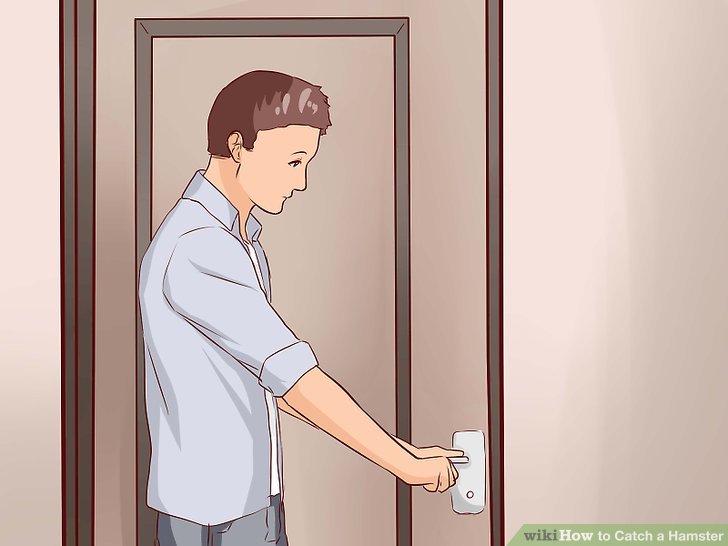
Successfully capturing an escaped hamster requires patience, strategic planning, and humane approaches. Employing the right trapping techniques ensures the safety of the hamster while minimizing stress for both pet and owner. Understanding proper procedures and utilizing suitable traps are essential components of an effective rescue effort.
Implementing humane trapping methods involves setting up traps that are non-lethal and designed to minimize injury or distress to the hamster. Careful placement, effective baiting, and proper handling after capture are critical steps to ensure a safe and successful reunion with your pet.
Step-by-Step Procedures for Setting Humane Traps
To maximize the chances of successfully catching your escaped hamster, follow these detailed steps:
- Choose the appropriate humane trap, ensuring it is suitable for small rodents and easy to set up.
- Identify high-traffic areas where the hamster is likely to frequent, based on its known habits and recent sightings.
- Place the trap on a flat, stable surface, preferably along walls or in corners where the hamster might feel safer moving through.
- Secure the trap to prevent accidental tipping or movement that could cause injury.
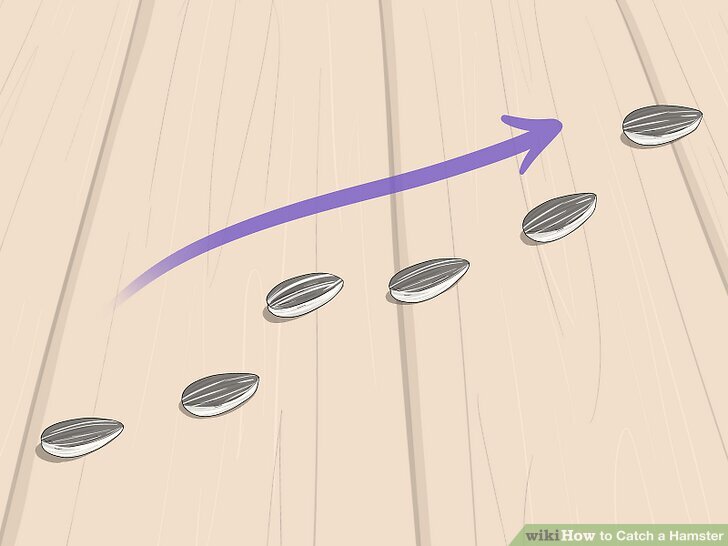
- Bait the trap with food items that are highly attractive to hamsters, such as sunflower seeds, fresh vegetables, or fruits.
- Monitor the trap frequently, ideally every 15-30 minutes, to reduce stress on the hamster and increase the chance of capture.
- Once the hamster is caught, approach the trap calmly and gently to prevent additional stress or injury.
- Transport the trapped hamster to a safe and secure enclosure for examination and reintroduction into its habitat.
Types of Traps Suitable for Hamsters, with Pros and Cons
Various trap options are available for humane capture of hamsters. Selecting the appropriate trap depends on factors such as the environment, ease of use, and safety considerations. Below is an overview of common trap types along with their advantages and disadvantages:
| Trap Type | Pros | Cons |
|---|---|---|
| Humane Live Cage Trap |
|
|
| Tube Trap |
|
|
| Bucket Trap with a Ramp |
|
|
Effective Baiting Strategies for Hamster Traps
Proper baiting is crucial to attracting the hamster to the trap. Hamsters are primarily omnivorous but favor high-calorie, aromatic foods. Using attractive and natural food items enhances the trap’s effectiveness:
- Sunflower seeds: Highly appealing due to their strong scent and high fat content, encouraging inquisitiveness.
- Fresh vegetables: Carrots, cucumbers, and leafy greens provide moisture and aroma that draw hamsters in.
- Fruits: Small pieces of apple or banana can entice hamsters with sweet scents and flavors.
- Nuts and grains: Oats, millet, or small pieces of cereal are attractive and safe options.
“Using fresh, aromatic foods as bait increases the likelihood of the hamster approaching and entering the trap.”
Trap Placement Tips for Maximum Success
Optimal trap placement significantly influences the trapping outcome. Consider these expert tips to enhance effectiveness:
- Position traps along walls or in corners where hamsters tend to travel, reducing their need to explore open spaces.
- Place bait at the far end of the trap to encourage the hamster to fully enter before triggering the mechanism.
- Avoid placing traps in noisy or heavily trafficked areas that may scare the hamster away.
- Ensure the trap is stable and not exposed to direct sunlight or drafts that could deter the hamster.
- Check traps frequently to prevent stress and ensure quick release once captured.
- Avoid covering the trap with cloth or towels unless necessary; if used, make sure there’s still enough ventilation for the hamster’s safety.
Creating an Effective Hamster Catching Environment
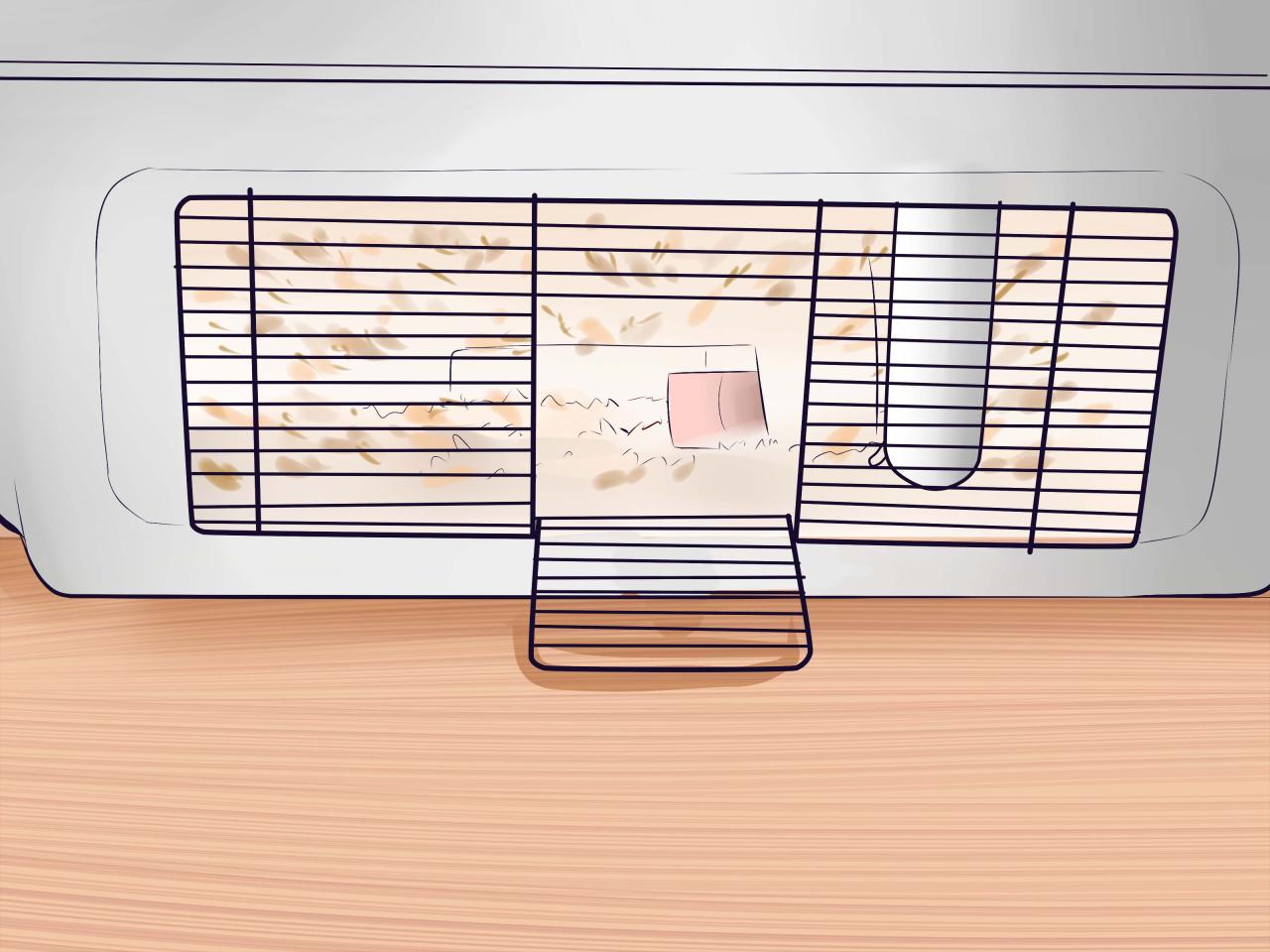
Establishing a safe and inviting environment is essential for encouraging a hamster to return voluntarily after an escape. A well-prepared space reduces the hamster’s stress levels and increases the likelihood of a successful and safe recovery. This involves thoughtful arrangement, minimizing potential hazards, and ensuring the space appeals to the hamster’s natural instincts.
Implementing these strategies not only facilitates a smoother catching process but also promotes the hamster’s overall well-being during the recovery period. Proper planning and patience are key to creating an atmosphere where the hamster feels secure enough to return on its own or be safely coaxed back into its enclosure.
Preparing a Safe and Inviting Space
To motivate the hamster to return, set up a designated area that mimics its familiar environment. Place a soft, comfortable bedding material such as shredded paper or aspen shavings that the hamster recognizes and finds appealing. Incorporate some of its favorite foods or treats, like millet or small bits of fruits, within this space to serve as incentives.
Ensure the area is well-lit but not overly bright, as harsh lighting can cause stress. Incorporate elements that stimulate the hamster’s natural curiosity, such as small tunnels, hiding spots, or chew toys, which encourage exploration and make the space inviting. Maintain a quiet atmosphere free from sudden movements or loud noises to avoid frightening the animal.
Blocking Escape Routes Without Causing Stress
Strategically closing off potential escape routes is crucial to prevent the hamster from fleeing further away. Use lightweight, non-toxic barriers such as cardboard or soft barriers that can be easily moved or adjusted. It’s important that these barriers do not create a confined or intimidating environment, which could heighten the hamster’s anxiety.
Begin by identifying all possible exits, including small gaps or holes in furniture or walls. Gently block these with appropriate materials that do not harm or overly restrict the hamster’s movement. For locations where the hamster might have squeezed through tight spaces, consider temporarily removing objects to make the area less enticing for further escapes while maintaining a calm environment.
Minimizing Noise and Disturbances
Hamsters are sensitive to loud sounds and sudden movements, which can increase their stress and make them less likely to return voluntarily. To create an optimal environment, keep the surroundings quiet and subdued. Turn off televisions, radios, or any electronic devices producing noise, and avoid unnecessary foot traffic near the area.
Lowering ambient noise levels helps the hamster feel more secure and less overwhelmed. Gentle, consistent movements around the environment, along with soft speaking tones, can reassure the hamster and foster a sense of safety. This calm atmosphere is essential for encouraging the hamster to approach the designated recovery space or to be safely captured without causing distress.
Preparation Steps, Tools Needed, and Precautionary Measures
| Preparation Steps | Tools Needed | Precautionary Measures |
|---|---|---|
| Identify all potential escape routes and clear the area of hazards. Create a quiet, inviting environment with familiar bedding, treats, and stimulating toys. Set up barriers to block escape routes without causing confinement or stress. | Lightweight barriers (cardboard, soft barriers), familiar bedding materials, hamster treats, small toys, soft lighting. | Ensure barriers are non-toxic and do not trap or injure the hamster. Keep noise levels low and avoid sudden movements. Regularly check the environment for new escape points or hazards. |
| Arrange the space to mimic the hamster’s natural habitat, incorporating hiding spots and exploration tools. Position food and treats strategically to encourage approach and return. | Hiding boxes, tunnels, chew toys, food containers, treats. | Monitor the environment for any sharp edges or objects that could cause injury. Place items securely to prevent accidental dislodging and maintain a calm, consistent atmosphere. |
Handling and Securing the Hamster After Capture

Once the hamster has been successfully caught, it is crucial to handle and secure it carefully to ensure its safety and reduce stress. Proper handling not only protects the hamster from injury but also facilitates a smooth transition back to a safe, comfortable environment. The process requires patience, gentleness, and attention to the animal’s specific needs to prevent further distress or injury during and after capture.Handling a frightened hamster demands a gentle approach.
Hamsters are naturally timid and can become stressed easily, especially after an unexpected escape or capture. Securing the hamster safely involves selecting appropriate containers that prevent escape while minimizing discomfort. During transportation, maintaining a calm environment and minimizing vibrations or loud noises is essential to keep the hamster as relaxed as possible. Proper handling techniques and secure transport methods are vital components in ensuring the well-being of your pet after rescue.
Gentle Handling of a Frightened Hamster
Handling a frightened hamster requires a calm, patient, and gentle approach. Moving slowly and speaking softly can help soothe the animal and reduce its anxiety. It is important to avoid sudden movements or grabbing the hamster abruptly, as this can cause injury or further panic. Allow the hamster to become accustomed to your presence and approach slowly. Using both hands to gently scoop or coax the hamster into a safe container minimizes stress and offers a sense of security.
If the hamster is particularly skittish, wrapping it loosely in a soft cloth or towel can help restrain it gently while preventing escape or injury.
Using Appropriate Containers for Transport
Choosing the right container is essential for a safe and stress-free transfer. The container should be well-ventilated, escape-proof, and of appropriate size—large enough for the hamster to stand comfortably but not so large that it can run around excessively, increasing stress. Small, ventilated plastic or glass containers with secure lids are ideal. For added security, you can line the bottom with soft bedding or tissue to provide comfort and absorb any accidents.
Ensuring the container is stable and placed in a quiet, dimly lit area during transport helps the hamster remain calm.
Importance of Minimal Stress During Transportation
Minimizing stress during transportation is critical to prevent shock, injury, or health issues. Sudden movements or loud noises can alarm a frightened hamster, increasing its anxiety. Keeping the container in a quiet place, avoiding direct sunlight, and handling it gently reduces environmental stressors. Limiting travel time and avoiding unnecessary stops or disturbances ensures the hamster remains as comfortable as possible.
Returning the hamster to its familiar habitat promptly after rescue minimizes lingering stress and promotes speedy recovery from the ordeal.
Handling Techniques for Securing the Hamster
To ensure the hamster’s safety and comfort during handling, employ the following techniques:
- Approach the hamster slowly and speak softly to reassure it.
- Use gentle, steady movements to scoop up or guide the hamster into its container.
- Support the hamster’s body fully with both hands to prevent accidental drops or injuries.
- Wrap the hamster loosely in a soft cloth or towel if it is particularly nervous or aggressive.
- Avoid grabbing the hamster by its tail or legs, which can cause injury.
- Keep the handling environment quiet and free from sudden movements or loud noises.
- Place the hamster into a prepared, secure container immediately after capture to prevent escape or injury.
- Maintain a calm and reassuring demeanor throughout the process to reduce the hamster’s stress levels.
Preventative Measures to Avoid Future Escapes

Ensuring your hamster remains safely within its enclosure is essential for its well-being and to prevent stressful and potentially dangerous escape attempts. Implementing proactive strategies can significantly reduce the chances of future escapes and contribute to a secure environment for your pet.To effectively prevent hamsters from escaping, it’s important to focus on the design and maintenance of their cages, as well as making environmental modifications that discourage escape behaviors.
Consistent vigilance and thoughtful planning are key to maintaining a safe habitat.
Secure Cage Designs and Latch Mechanisms
A robust and thoughtfully designed cage is the first line of defense against escapes. Using cages with high, smooth walls minimizes the possibility of climbing or squeezing through gaps. Additionally, selecting cages with secure, multi-point latch mechanisms ensures that doors remain firmly closed even if the hamster attempts to push or nibble at the barriers.When choosing a cage, opt for models made from durable materials such as wire with a solid base, or solid plastic with secure latches.
Avoid cages with easily removable or loose lids, as these can become entry points for clever or persistent hamsters. Regularly inspecting the latches for wear and ensuring they function properly prevents accidental openings.
Regular Cage Checks and Maintenance
Preventative care extends beyond initial setup; routine inspections are crucial. Regularly check the integrity of the cage, including bars, doors, and latches, to identify and repair any weaknesses or damage. Cleanliness and hygiene also play a vital role in reducing stress that might prompt escape behaviors.Schedule weekly inspections to verify that all components are secure, free of rust, cracks, or corrosion.
Ensure bedding material is deep enough to discourage digging near the sides, which could lead to tunnel creation or escape routes. Maintaining a tidy environment inside the cage minimizes hiding spots or escape opportunities for the hamster.
Environmental Modifications to Prevent Escape Attempts
Modifying the hamster’s environment to reduce the likelihood of escape involves creating a space that is both stimulating and secure. Providing sufficient enrichment, such as tunnels, hideouts, and climbing accessories within the cage, helps satisfy exploratory instincts and minimizes boredom-induced escape attempts.Additionally, positioning the cage away from hazards such as open windows, unstable furniture, or busy areas reduces external triggers that might cause a hamster to attempt escaping.
Covering potential escape points, like gaps under doors or vents, with barriers or mesh prevents the hamster from squeezing through. Using opaque barriers can also prevent visual stimuli that might encourage escape behaviors.
Preventive Actions and Expected Outcomes
To clearly Artikel effective preventative strategies, the following table summarizes key actions and their anticipated benefits:
| Preventive Actions | Expected Outcomes |
|---|---|
| Use cages with high, smooth walls and secure, multi-point latch mechanisms | Minimized risk of accidental or intentional door openings and escape through structural weaknesses |
| Conduct weekly cage inspections for damage and wear | Early detection of potential escape points, maintaining cage integrity over time |
| Keep bedding deep and clean, and provide enrichment within the cage | Reduced boredom and exploratory behaviors that lead to escapes |
| Position the cage in a safe, low-traffic area away from hazards and drafts | Decreased external stimuli and environmental stressors that may prompt escape attempts |
| Cover or block potential escape routes around the cage, such as gaps and vents | Prevention of squeezing through gaps or accessing hidden escape paths |
Concluding Remarks
By understanding and implementing these methods, you can confidently handle the situation with minimal stress and ensure your hamster’s safety. Taking proactive steps not only resolves the immediate concern but also strengthens the security of your pet’s environment for the future.