Ensuring a hamster-safe environment within a hotel room is essential for the well-being of your pet during travel or short-term stays. Proper preparation and vigilance can prevent accidents and keep your hamster secure in unfamiliar surroundings. By implementing thoughtful safety measures, you can create a comfortable and hazard-free space that promotes your hamster’s health and happiness.
This guide provides practical steps to identify potential dangers, secure food and waste, set up a safe enclosure, and maintain optimal room conditions. With careful planning and routine checks, you can enjoy your trip while ensuring your hamster remains safe and stress-free in a hotel setting.
Essential precautions to hamster-proof a hotel room

Ensuring the safety of a hamster within a hotel environment requires meticulous preparation and precautions. Hotel rooms, being unfamiliar and potentially hazardous settings, demand a proactive approach to prevent accidents, escapes, or injuries to your small companion. Properly hamster-proofing the room not only safeguards their well-being but also provides peace of mind during your stay.
Implementing essential safety measures involves identifying common hazards unique to hotel rooms and taking targeted steps to mitigate them. This process includes securing potential escape routes, removing dangerous objects, and creating a controlled environment that mimics their familiar habitat as closely as possible. A thorough safety check is vital to ensure no overlooked hazards compromise your hamster’s health or safety.
Key hazards to identify and mitigate within a hotel setting
Hotel rooms contain numerous elements that may pose risks to hamsters. Recognizing these hazards and establishing safety protocols is crucial for their protection. Common risks include open windows, electrical cords, household cleaning supplies, and inaccessible small objects that could be ingested or cause injury. Additionally, the presence of gaps or holes under furniture or behind fixtures may enable a hamster to escape or become trapped.
Below is an organized safety check table designed to guide you through the essential precautions needed to secure a hotel room for your hamster:
| Area | Potential Hazard | Safety Measure | Tools Needed |
|---|---|---|---|
| Windows and Balconies | Open windows or balconies accessible to small animals | Ensure windows and balcony doors are securely closed and locked; use child-proof window locks or safety bars | Window locks, safety bars, or clips |
| Electrical Outlets and Cords | Loose or exposed electrical cords that may tempt chewing | Cover outlets with safety plugs; organize and hide cords behind furniture or within cord protectors | Outlet covers, cord organizers, cable protectors |
| Furniture and Gaps | Holes under furniture or behind appliances that a hamster can escape through | Block gaps with furniture risers, sealing strips, or foam inserts | Foam sealant, furniture risers, tape |
| Household Items | Small objects, staples, or loose items that can be ingested | Clear surfaces and storage areas, keep small items out of reach | Storage containers, safety bins |
| Cleaning Supplies | Accidental ingestion or contact with chemicals | Store cleaning supplies in locked cabinets or away from the hamster’s cage area | Lockable storage boxes or cabinets |
| Floor and Carpet Areas | Loose threads, loose fabric, or small items on the floor | Vacuum and inspect the floor thoroughly, remove any potential hazards | Vacuum cleaner, flashlight for inspection |
| Lighting and Heating Devices | Hot lamps or heating devices that could cause burns or fires | Ensure all heating devices are off or positioned safely away from the cage | Thermostat controls, safety barriers |
By carefully evaluating each area of the hotel room and implementing these safety measures with appropriate tools, pet owners can create a secure environment that minimizes risks. Regular safety checks throughout the stay are recommended to adapt to any new hazards that may arise and to guarantee the continued safety of the hamster in an unfamiliar setting.
Identifying and Removing Common Household Dangers in a Hotel Room
Ensuring the safety of a hamster in a hotel environment requires a thorough inspection of the room to identify and eliminate potential hazards. Hotel rooms, while designed for human comfort, often contain elements that could pose risks to small pets like hamsters. Conducting a detailed safety check helps prevent accidents, injuries, or escapes, creating a secure space for your pet during your stay.
This process involves careful examination of furniture, electrical outlets, décor, and other room features to pinpoint and mitigate dangers effectively.A comprehensive approach to inspecting a hotel room involves systematically evaluating each area and item that your hamster might interact with. Attention to detail is crucial, as hazards can sometimes be subtle or hidden. Once hazards are identified, appropriate measures should be taken to remove or neutralize them, ensuring the environment remains safe and hamster-proof for the duration of your stay.
Inspecting Furniture, Outlets, and Decor for Hazards
To create a safe environment, begin by thoroughly examining all furniture, fixtures, and decorative items in the room. Pay close attention to common areas where hazards are often overlooked, such as under furniture, behind curtains, or within decorative objects. Use the following procedures:
- Move furniture, such as beds and chairs, gently to check for loose nails, splinters, or sharp edges that could injure a hamster or provide escape routes. Ensure all furniture is stable and free from protruding staples or torn fabric that might entrap tiny paws or tails.
- Inspect all electrical outlets and cords. Look for exposed wiring, frayed cords, or loose outlet covers. These pose shock risks and potential for chewing, which could result in electrical injury or fire hazards.
- Examine decorative items, including lamps, picture frames, and drapes, for any loose parts or cords. Items with dangling cords or strings could be tugged on or chewed, leading to electrical hazards or entanglement.
- Check the room’s flooring and rugs for loose threads, tiny staples, or uneven surfaces that could cause a hamster to trip or get stuck.
Blocking or Covering Electrical Outlets and Cords
Electrical outlets and cords are common hazards in hotel rooms and require prompt attention to prevent accidental contact or chewing by hamsters. Implementing temporary barriers or covers provides an extra layer of safety, especially when the room is not fully hamster-proofed. Here are effective methods to secure electrical points:
- Outlet Covers: Use childproof outlet covers or plug protectors to physically block access to electrical sockets. These are easy to install, fit snugly, and prevent hamsters from inserting their paws or teeth.
- Cord Management: Organize and secure loose cords using twist ties, cable clamps, or cord organizers. Keep cords out of reach by routing them behind furniture or along walls, reducing temptation for chewing or accidental disconnection.
- Temporary Barriers: Place small, lightweight barriers such as plastic or cardboard shields over outlets and cords to prevent contact. Ensure these barriers are securely attached and do not obstruct airflow or safety signals from the room’s electrical devices.
Room Barriers or Deterrents Suitable for Hotel Rooms
When selecting barriers or deterrents to prevent hamsters from accessing certain areas, it is important to choose options that are effective yet non-destructive and easy to install temporarily. The following barrier types are suitable for hotel environments:
- Plastic Baby Gates or Deterrent Barriers: Lightweight, portable gates can block access to specific room sections, such as under furniture or doorways. These are adjustable, easy to set up, and won’t damage hotel furnishings.
- Freestanding Mesh Partitions: Collapsible mesh screens serve as versatile barriers that can be quickly assembled and repositioned. They allow airflow and visibility while restricting hamster movement into hazardous zones.
- DIY Barriers with Cardboard or Plexiglas: Creating custom barriers from sturdy cardboard or thin plexiglas sheets can effectively block off areas. These can be secured with painter’s tape or other non-damaging adhesives for temporary use.
- Furniture Arrangement: Positioning furniture strategically can act as a natural barrier, such as placing a chair or a suitcase in front of an open doorway or under a hazardous area. This simple method minimizes the need for additional barriers.
Choosing the right barrier depends on the room layout and the specific hazards identified during inspection. Combining physical barriers with behavioral deterrents, like placing hamster-safe chew toys or noise deterrents, can further enhance safety and reduce the likelihood of escape or injury in a hotel setting.
Creating a Safe Enclosure or Play Area Within the Hotel Room
Ensuring your hamster has a secure and comfortable space during your hotel stay is essential for their safety and well-being. Designing a temporary enclosure that prevents escape and minimizes exposure to household hazards allows your pet to explore and play freely while you maintain control over their environment. Properly setting up this designated area not only safeguards your hamster but also provides peace of mind during your travels.Establishing a safe play area involves assembling a barrier that is both sturdy and escape-proof, using items readily available in the hotel room.
Consider the dimensions that offer ample space for your hamster to move and explore, while ensuring the barriers are tall enough to prevent jumping over or squeezing through gaps. The enclosure should be well-ventilated and easy to clean, with secure closures to prevent accidental escapes. Proper planning and attention to detail are key to creating a secure, engaging environment suitable for your hamster’s needs during your hotel stay.
Setting Up a Temporary Hamster Playpen Using Hotel Room Items
Creating an effective play area with available hotel room items requires careful selection and assembly to ensure safety and stability. The process involves choosing appropriate materials, constructing the enclosure, and verifying its integrity before allowing your hamster to explore. Materials Needed:
- Plastic or glass storage containers with secure lids or removable sides
- Cardboard boxes, preferably large and sturdy
- Zip ties, rubber bands, or strong tape (such as duct tape)
- Soft bedding material, like shredded paper or tissue
- Small toys or chew items to enrich the environment
- Non-toxic glue or double-sided tape (optional for additional stability)
Assembly Procedures:
- Identify a flat, stable surface in the hotel room, such as a table or a large countertop, to set up the enclosure.
- Use a large plastic container or a sturdy cardboard box as the base of the enclosure. If using a storage container, ensure it is well-ventilated with holes or air gaps.
- Arrange the sides of the container or box to prevent the hamster from escaping. If using cardboard, reinforce the edges with tape or zip ties for added stability.
- Create an access point, such as a flap in the cardboard or a cut-out in the plastic container, secured with tape or a clip that can be easily opened and closed.
- Line the bottom with soft bedding materials, ensuring it is deep enough to allow burrowing and digging behaviors, typically 1-2 inches deep.
- Place toys, chew sticks, and enrichment items inside to keep your hamster engaged and mentally stimulated.
- Thoroughly check for any sharp edges, loose parts, or gaps that could allow escape or cause injury. Make adjustments as needed to ensure the enclosure is secure.
Ideal Enclosure Dimensions and Barriers:A suitable temporary enclosure should measure approximately 24 inches in length, 12 inches in width, and 12 inches in height. These dimensions provide enough space for your hamster to move, run, and explore comfortably. The barriers must be at least 12 inches tall to prevent jumping over, with no gaps larger than half an inch to prevent squeezing through. The sides should be constructed from solid, chew-proof materials, or reinforced with tape or zip ties, to withstand your hamster’s attempts to escape or gnaw through.
Visual Description of Ideal Enclosure:Imagine a rectangular space enclosed by a sturdy barrier made from a large plastic storage bin with secure lids or reinforced cardboard walls. The sides are high enough to discourage jumping, and the edges are sealed with tape or zip ties. Inside, the soft bedding covers the bottom, complemented by colorful chew toys and tunnels to stimulate natural behaviors. The enclosure has a small, easily accessible flap that serves as an entry and exit point, secured with a clip or tape to prevent accidental opening.
The space is well-ventilated, stable, and safe, offering your hamster a secure haven within the hotel room environment.
Ensuring Proper Ventilation and Temperature Control

Maintaining optimal environmental conditions within a hotel room is crucial for the health and well-being of your hamster. Proper ventilation ensures fresh air circulation, reducing the buildup of harmful gases like ammonia from waste, while appropriate temperature regulation prevents stress and health issues related to temperature extremes. When traveling, creating a stable and safe habitat mimics your hamster’s natural environment as closely as possible, helping to keep them comfortable and healthy during their stay.Effective ventilation and temperature control involve a combination of monitoring environmental conditions and making adjustments as needed.
It is essential to ensure that the room remains within a temperature range of 65-75°F (18-24°C), which is ideal for most hamster species. Sudden temperature fluctuations or excessively humid or dry air can compromise their immune system and cause discomfort. Using a thermometer and hygrometer to monitor these parameters allows for precise adjustments, such as opening windows for fresh air or using a portable fan or heater to maintain consistent conditions.
Always prioritize safety by avoiding direct drafts onto the hamster and ensuring any heating or cooling devices are secure and do not pose fire hazards.Selecting appropriate locations within the hotel room greatly impacts the hamster’s environment. Choose a quiet, low-traffic area that is away from direct sunlight, heaters, or air conditioning vents, which can cause temperature fluctuations or drafts. An area with stable airflow promotes better ventilation without exposing the hamster to sudden gusts of air, which can cause stress.
Additionally, positioning the enclosure away from windows and external walls helps insulate the habitat and maintain a consistent temperature. Regularly inspect the environment to ensure conditions remain within the safe range, making adjustments as necessary to promote a healthy and comfortable environment for your hamster during your hotel stay.
Tips for monitoring and maintaining hamster safety during the stay

Ensuring the safety of a hamster throughout a hotel stay requires diligent supervision and routine inspections. Hamsters are curious creatures, and their environment must be constantly monitored to prevent potential hazards or escape attempts. Effective oversight involves establishing clear procedures for regular room checks, recognizing signs of distress or danger, and maintaining a secure environment that adapts to any changes during the stay.Consistent vigilance is crucial for early detection of hazards, such as loose enclosure lids, exposed wires, or small objects that could be ingested.
By adhering to a structured monitoring routine, pet owners and hotel staff can swiftly address issues before they escalate, ensuring the hamster remains safe and comfortable. Implementing a comprehensive safety regimen not only protects the hamster but also provides peace of mind for the pet owner during their hotel experience.
Procedures for regular room checks for hazards or escape points
Establishing a routine schedule of inspections is fundamental to maintaining hamster safety. These checks should be thorough and systematic, focusing on identifying any new hazards or potential escape routes. Always inspect the enclosure for secure lids, tight-fitting doors, and unhindered access points. Examine the surrounding area for loose objects, gaps, or openings that could serve as escape points. Additionally, ensure there are no exposed electrical cords or toxic substances within reach.During each check, observe the hamster’s behavior for signs of stress or discomfort, which could indicate environmental issues.
Use a checklist to track items inspected and note any problems discovered, facilitating prompt resolution. Regular checks should be performed at least twice daily—once in the morning and once in the evening—especially if the hamster is active during specific times.
Sample safety inspection checklist
To streamline ongoing safety assessments, utilize a structured checklist that covers all critical aspects of the hamster’s environment. This checklist guides routine inspections and helps ensure no potential hazards are overlooked. Below is a sample safety inspection checklist organized into key categories:
| Item | Inspection Method | Frequency | Notes |
|---|---|---|---|
| Enclosure Lid and Doors | Visually inspect for secure fit; open and close to test stability | Twice daily | Check for loose hinges or damage |
| Escape Points | Examine all edges, corners, and openings for gaps or holes | Daily | Seal any gaps larger than 3mm |
| Electrical Cords and Wires | Inspect for frays, exposed wires, or loose plugs | Weekly | Use cord protectors if necessary |
| Food and Water Supplies | Ensure bottles and dishes are clean, secure, and filled appropriately | Twice daily | Check for spoilage or contamination |
| General Environment | Look for objects that could be ingested, toxic substances, or unstable furniture | Daily | Remove any hazards immediately |
Additional safety measures
Implementing supplementary safety measures enhances the hamster’s protection during their hotel stay. Use secure and escape-proof enclosures, double-check all access points before leaving the room unattended, and avoid placing the enclosure near windows or vents that could compromise safety. Additionally, schedule regular environmental adjustments to maintain optimal temperature and humidity levels, and ensure adequate ventilation to prevent respiratory issues. Maintaining a vigilant attitude and systematically assessing the environment will uphold a secure setting for the hamster throughout their stay.
Additional Safety Tools and Accessories to Bring Along
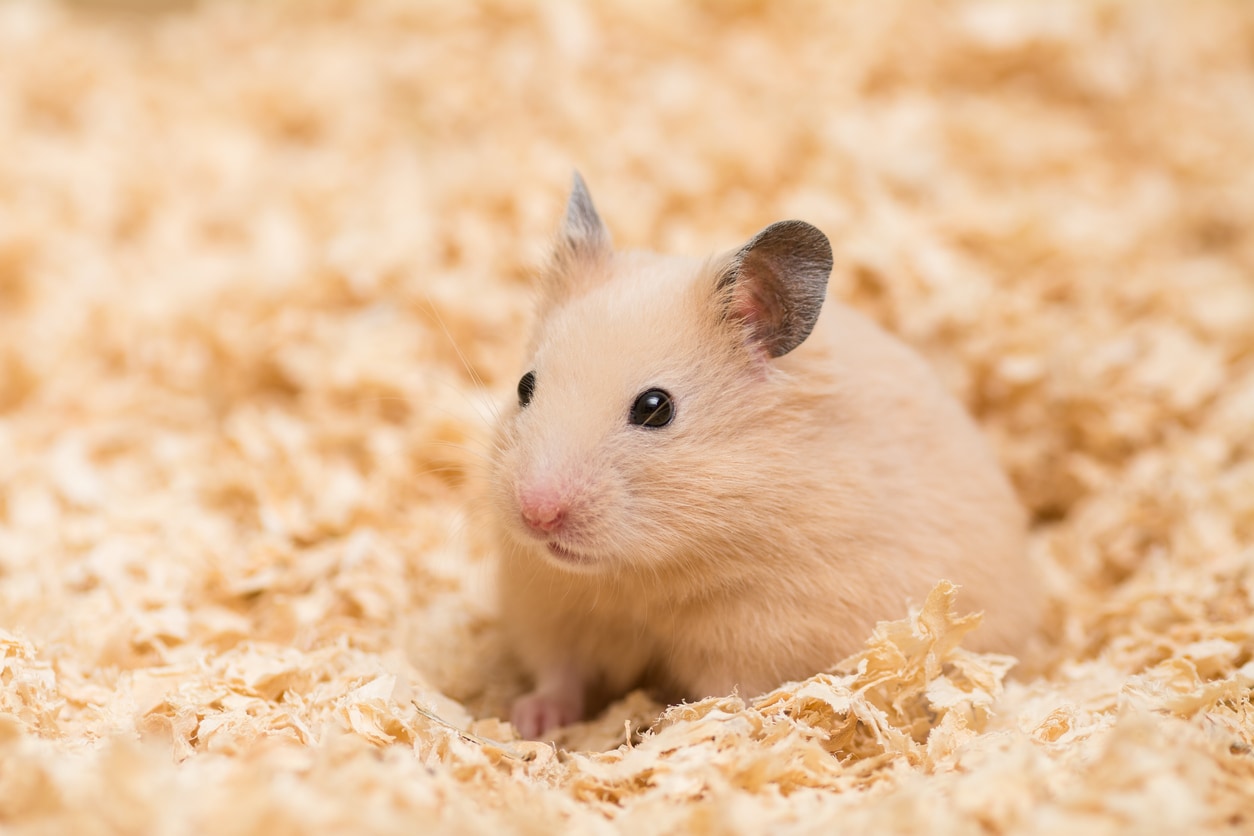
![500+ Hamster Pictures [HQ] | Download Free Images on Unsplash](https://haruto.web.id/wp-content/uploads/2025/09/cute-animal-hamster-ud45b9uj49dflwid.jpg "500+ Hamster Pictures [HQ] | Download Free Images on Unsplash")
Ensuring your hamster’s safety during a hotel stay involves more than just securing the room. Bringing along specific safety tools and accessories can significantly enhance the protection of your pet, prevent accidents, and make the environment more controlled and secure. Properly selected supplies enable quick responses to potential hazards and help maintain a safe, comfortable space for your hamster throughout your trip.Equipping yourself with the right pet-proofing tools not only safeguards your hamster but also simplifies the process of managing their environment.
These tools are designed to address common household dangers, provide secure containment options, and facilitate ongoing safety monitoring during your stay. Being prepared with a thoughtful selection of accessories ensures that even unexpected situations can be handled promptly and effectively.
Essential Pet-Proofing Supplies to Pack for Hotel Stays
Bringing a variety of safety tools and accessories tailored for hamster care allows you to quickly address potential hazards and create a secure environment. Here are some essential items to include in your travel kit:
- Portable Hamster Cage or Enclosure:
A lightweight, secure cage or playpen designed for travel provides a safe space for your hamster outside of its primary habitat. Ensure it has secure latches and ample ventilation. Usage tips include placing familiar bedding and toys inside to reduce stress and prevent escape during setup or cleaning. - Hamster-Safe Locking Clips or Latches:
These small but vital accessories secure doors or panels on cages and play areas, preventing accidental openings. They are especially useful if the hotel environment includes doors or furniture that could be inadvertently opened. Regularly check that latches remain secure throughout the stay. - Miniature First Aid Kit:
A compact kit containing antiseptic wipes, styptic powder, and bandages specifically suitable for small animals ensures you can respond swiftly to minor injuries or emergencies. Familiarize yourself with basic procedures beforehand for quick, effective action if needed. - Travel Bottled Water and Food Supplies:
Pre-measured portions of hamster-specific food and a portable water bottle or dish help maintain your pet’s nutrition and hydration. Use spill-proof bottles to prevent messes and keep the environment clean. - Odor Absorbing or Neutralizing Spray:
A pet-safe spray helps keep the enclosure smelling fresh and minimizes stress-inducing odors. Use as directed and ensure it is safe for small animals before application. - Small, Soft, and Non-Toxic Toys:
A selection of familiar toys and chew items can entertain your hamster and reduce anxiety. Choose items that are free from paint, dyes, or small parts that could be ingested. - Extra Bedding Material:
Bring enough hamster-safe bedding to replace soiled material and maintain a clean, comfortable environment. Ensure bedding is dust-free and non-toxic to prevent respiratory issues.
Contributions of Each Tool to Hamster Safety and Proofing
Each safety tool plays a critical role in creating a secure environment. Proper enclosures prevent escape, while secure latches and locking clips eliminate accidental openings that could lead to lost or injured hamsters. A travel first aid kit ensures prompt response to injuries, minimizing complications and stress.Supplies like food, water, and bedding help maintain normalcy, preventing dehydration or stress-related health issues.
Odor neutralizers contribute to a calm environment, reducing anxiety that might otherwise cause your hamster to attempt escape or become distressed. Toys and familiar bedding help replicate the comfort of their usual habitat, easing adaptation and reducing stress during travel.By thoughtfully packing these accessories, you help ensure that your hamster remains safe, comfortable, and healthy throughout your hotel stay, even in unfamiliar surroundings.
Proper preparation with these tools minimizes risks and provides peace of mind, making your travel experience more enjoyable for both you and your pet.
Wrap-Up
In conclusion, hamster proofing a hotel room requires a combination of awareness, preparation, and ongoing monitoring. By following the Artikeld safety precautions, securing items, and creating a suitable environment, you can provide a secure haven for your hamster throughout your stay. Proper planning not only safeguards your pet but also offers peace of mind, allowing you to focus on enjoying your travels together.